

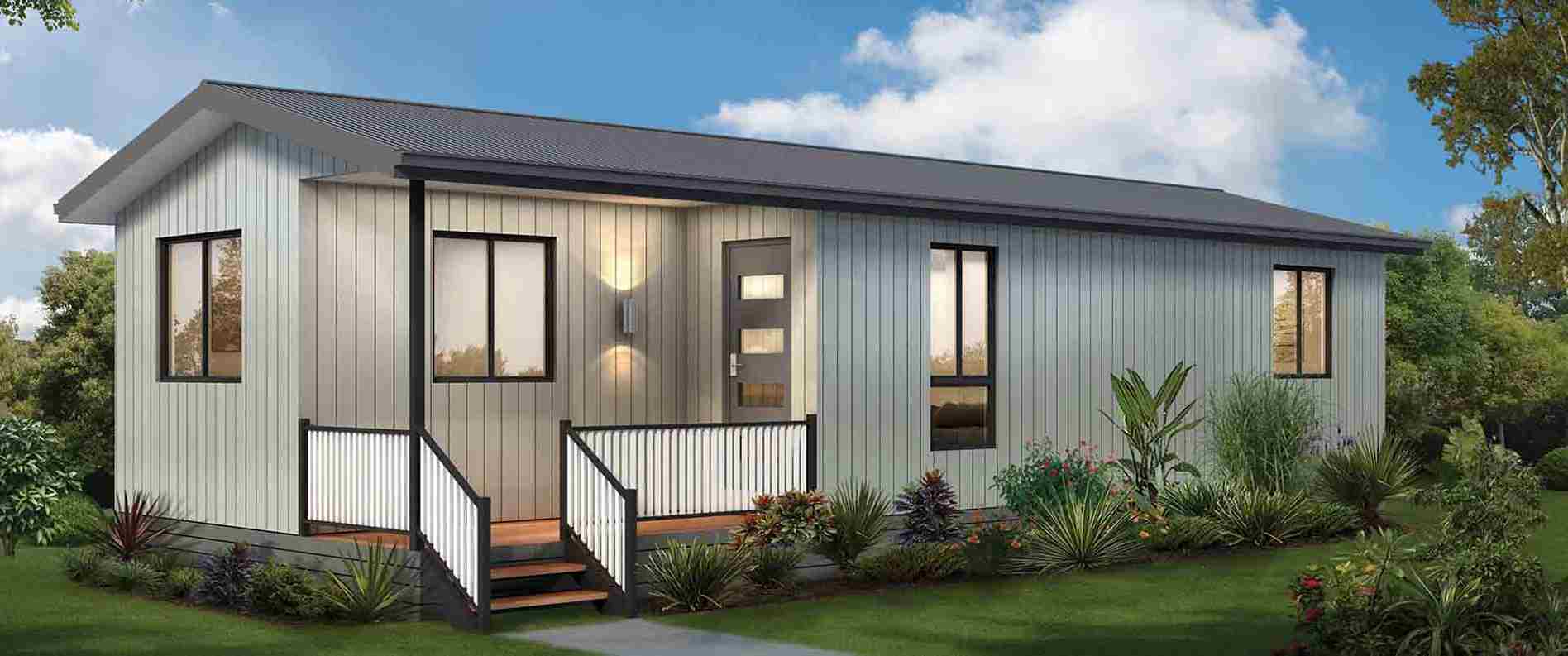
Top Trends in Prefabricated House Technology for Faster Construction
The construction industry has experienced a major transformation over the past decade, with advanced technologies making building processes faster and more efficient. One of the most popular solutions that has gained attention across residential and commercial sectors is the Prefabricated house. These structures are manufactured using pre-designed components that are assembled at the construction site, reducing time and labor costs. As industries and homeowners look for quicker building methods, prefabrication technology continues to evolve with innovative techniques and materials.
Businesses and homeowners now prefer construction systems that combine speed, durability, and cost-effectiveness. With rapid urbanization and the increasing demand for modern infrastructure, the use of prefabricated structures has become a reliable choice. Leading engineering providers such as CND Engineering focus on adopting advanced manufacturing techniques to ensure strong and efficient building solutions that match modern construction demands.
Rise of Modular Construction Technology
One of the most significant trends driving the popularity of the Prefabricated house is modular construction technology. This method involves building different sections of a structure in controlled factory environments before transporting them to the site for final assembly. The controlled environment ensures accuracy in measurements and reduces material wastage, making the process highly efficient.
Modular construction also improves project timelines, allowing builders to complete projects in weeks rather than months. This trend has made modern Prefab Homes a preferred solution for both residential and commercial spaces. By reducing on-site labor requirements and minimizing environmental impact, modular technology supports faster project completion while maintaining consistent quality standards.
Integration of Smart Materials and Advanced Components
Another emerging trend in the Prefabricated house industry is the use of smart materials and advanced structural components. Modern prefabricated buildings incorporate lightweight yet durable materials such as galvanized steel, insulated panels, and composite boards. These materials enhance the structural strength of the building while improving thermal performance and weather resistance.
Smart materials also contribute to better insulation and soundproofing, creating comfortable living and working environments. This technological advancement is particularly useful in regions with extreme climates, where energy efficiency plays an important role. The integration of modern materials has allowed Prefab Homes to meet international construction standards and deliver long-term durability.
Growth of Sustainable and Eco-Friendly Building Methods
Sustainability has become a central focus in modern construction, and the development of environmentally responsible solutions is shaping the future of the Prefabricated house industry. Many builders now adopt eco-friendly practices such as using recyclable materials, reducing construction waste, and improving energy efficiency. These methods align with the growing concept of Green Building, which emphasizes sustainability and minimal environmental impact.
Prefabricated construction naturally supports sustainable practices because most components are manufactured in controlled facilities, reducing excess material usage. The use of solar panels, energy-efficient insulation, and rainwater harvesting systems further strengthens the environmental benefits. As industries shift toward Green Building standards, prefabricated solutions continue to play an important role in promoting responsible construction methods.
Adoption of Digital Design and Building Information Modeling
Digital technology has transformed the way construction projects are planned and executed. The use of Building Information Modeling (BIM) and advanced computer-aided design tools has improved accuracy in the Prefabricated house manufacturing process. Engineers can create detailed 3D models that help visualize the entire structure before production begins.
These digital tools allow designers to identify potential challenges and resolve them early in the planning stage. Accurate planning reduces construction errors and ensures seamless assembly at the site. Digital integration also enhances collaboration between architects, engineers, and manufacturers, making prefabrication technology more reliable and efficient.
Faster Assembly with Pre-Engineered Components
Pre-engineered components are another major trend contributing to the rapid growth of the Prefabricated house sector. Walls, floors, and roofing systems are designed and manufactured in advance, allowing quick installation once the materials reach the construction site. This reduces delays caused by weather conditions or labor shortages.
Faster assembly also supports businesses that require urgent infrastructure solutions. Whether used for residential units, site offices, or temporary workspaces, prefabricated structures provide immediate functionality. With improved engineering techniques and standardized components, modern construction projects can achieve higher productivity and shorter project cycles.
Improved Structural Strength and Safety Standards
Safety and durability remain top priorities in the development of modern construction systems. Today’s Prefabricated house designs are created using advanced engineering calculations that ensure proper load distribution and structural stability. Strong foundations and reinforced frameworks provide resistance against natural forces such as wind, rain, and temperature changes.
Manufacturers follow strict quality control procedures to maintain consistent performance levels. The use of precision-cut materials and automated fabrication processes reduces the chances of structural defects. This trend has significantly improved the reliability of prefabricated structures, making them suitable for long-term applications in various industries.
Customization and Flexible Architectural Designs
Customization has become a key factor in meeting diverse construction needs. Modern Prefabricated house solutions offer flexible design options that allow businesses and homeowners to modify layouts according to their requirements. Architects can incorporate features such as large windows, ventilation systems, and decorative finishes without affecting the structural integrity of the building.
Flexible architectural designs also support future expansion, allowing additional modules to be added when required. This adaptability makes prefabricated construction a practical choice for growing businesses and expanding residential projects. With professional planning support from experts like CND Engineering, clients can achieve personalized building solutions that match their specific operational needs.
Role of Automation and Advanced Manufacturing
Automation has revolutionized the production process in the Prefabricated house industry. Robotic machinery and automated cutting systems ensure consistent quality and precise measurements for every component. These technologies reduce human error and improve manufacturing efficiency, leading to faster production cycles.
Automated manufacturing also enhances safety by minimizing manual handling of heavy materials. With improved accuracy and reliability, automation supports large-scale production of prefabricated components, making construction projects more cost-effective and scalable.
Future Outlook of Prefabrication Technology
The future of construction lies in innovation and efficiency, and the Prefabricated house industry is expected to grow rapidly in the coming years. Advances in material science, digital planning, and manufacturing technology will continue to improve building quality and reduce construction timelines. Increasing demand for affordable housing and modern infrastructure will further drive the adoption of prefabricated solutions.
As industries continue to focus on speed, sustainability, and cost management, prefabricated construction methods will remain a reliable choice for diverse building applications. The integration of advanced technologies ensures that prefabrication remains a future-ready solution capable of meeting evolving construction demands.
Conclusion
Modern construction trends clearly highlight the growing importance of advanced technologies in delivering faster and more reliable building solutions. From modular construction and smart materials to automation and sustainable practices, each innovation strengthens the performance and efficiency of a Prefabricated house. Businesses and homeowners who invest in modern prefabrication technologies benefit from reduced construction time, improved durability, and enhanced design flexibility. If you are planning a fast and efficient building project, connect with trusted professionals today to explore innovative prefabricated solutions that match your requirements and ensure long-term success.
Related Posts
Can male infertility be completely cured
Introduction Male infertility is a common issue that affects many couples trying to conceive. It can be caused by various factors, including low sperm count, poor sperm quality, hormonal imbalances, or underlying medical conditions. A common question many people ask is whether male infertility can be completely cured. The answer depends on the cause and severit

Makkah to Jeddah Taxi Guide: Fare, Time & Booking Tips
Traveling between Makkah and Jeddah is one of the most common routes for pilgrims and tourists. Whether you’re heading to the airport or exploring the city, choosing the right Makkah to Jeddah taxi can make your journey smooth, affordable, and stress-free. In this guide, you’ll find everything you need to know—from taxi fares and travel time to booking ti

Perfume Bottles Wholesale by ZUOFUN: Stylish Solutions for Your Fragrance Business
The packaging of a perfume is just as important as the fragrance itself, and sourcing high-quality perfume bottles wholesale is essential for brands looking to make a lasting impression. ZUOFUN, a leading manufacturer and supplier in the fragrance industry, provides businesses with premium perfume bottles that combine style, functionality, and affordability, he
Why Students Choose Services That Take My Online Course for Me
The current educational system keeps evolving which causes difficulties for students who need to balance their schoolwork with their personal commitments. The average college student needs to handle multiple class schedules while delivering all assignments by their due dates and producing high-quality work for every writing assignment. The situation becomes muc
Leave a Reply