

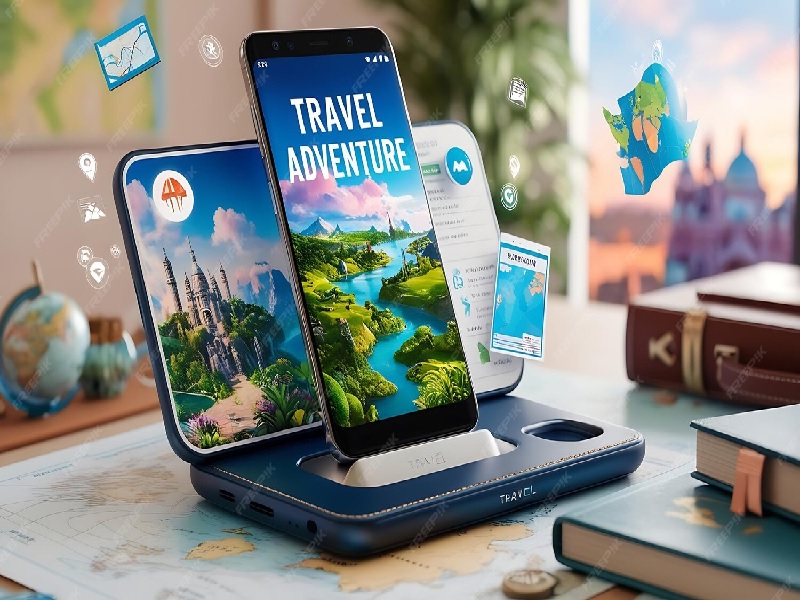
The Importance of Digital Marketing in the Tourism Industry
In recent years, the tourism industry has been greatly changed by the rise of new digital technologies and the growth of internet usage around the globe. Today’s travellers use the internet to do three things: they look at potential destinations, compare different travel options (e.g., hotels, flights, etc.), read reviews of destinations, and book trips.
Because of this change in consumer behaviour (travellers now rely heavily on the internet) digital marketing is one of the most effective ways for the tourism industry to reach potential customers and attract new customers.
Tourism businesses are now using digital marketing techniques, such as Search Engine Optimization (SEO), Social Media Marketing (SMM), Online Advertising, and Content Marketing to reach customers all over the world and build strong relationships with their audience. This enables tourism businesses to grow their customer base and generate more sales while remaining competitive in an ever-evolving business environment.
What is Digital Marketing for Tourism?
Digital marketing for tourism is defined as using digital technologies and online channels to sell tourism-related services, products, and experiences. The various types of digital channels used for tourism are: search engines; social media; email marketing; tourist websites; and online advertising.
The use of digital marketing allows the tourism industry to market their products to the whole world. Tourists looking for detailed information about where they want to go, stay, and what activities they want to do while there, can do so easily through digital marketing channels. Digital marketing offers tourism businesses a way to engage with customers in a direct manner and also track their marketing campaign results in “real-time” as opposed to traditional marketing techniques like brochures or newspaper/magazine advertisements.
For example, if you are a travel company with a website, you can optimize that website for the search engines so that if someone searches on Google, “best places to go for vacation in India,” your travel company’s services will appear in those search results. In the same way, you may also create engagement through social media and travel video content to inspire potential travelers and influence their booking decisions.
Why Digital Marketing is Important for the Tourism Industry
1. Global Reach and Visibility
One of the main benefits of digital marketing for tourism is its global reach and visibility. In comparison to traditional marketing techniques, tourism businesses now have the option to market their products to a very large number of potential customers around the world; traditional marketing techniques generally limit a business’s audience to local or regional customers, whereas digital marketing platforms allow you to promote your tourism business to potential customers around the world.
A small tourism business has the opportunity to engage in targeted advertising and/or use SEO techniques to attract customers from outside their country. A boutique hotel or local tour operator can promote their business on a global scale through search engine marketing or social media advertising.
Due to this large global customer base, tourism businesses are able to grow internationally through increased international bookings.
2. Cost-Effective Marketing Strategy
Compared to traditional marketing, digital marketing is often more cost-effective. Traditional marketing methods such as print advertising, television advertising, and attending travel fairs can be expensive as well as being difficult to evaluate.
In contrast, businesses that are using online marketing are able to set their own budgets for their campaigns and have real-time tracking of their success.
Businesses can easily see how many people viewed their ads, visited their website or completed their bookings. This data is invaluable to businesses for improving their overall marketing strategies while maximizing their return on investment.
Many tourism companies utilize the services of a Digital Marketing Agency to effectively handle these ongoing marketing efforts in order to increase their chance of success.
3. Better Customer Engagement
Through the use of digital marketing platforms, tourism companies are able to communicate directly with travelers. Through the use of popular social media channels such as YouTube, Facebook, and Instagram, tourism companies are able to share travel photographs and video content which will generate excitement among travelers and motivate them to plan their future trips to new destinations.
Travel-related blogs, destination guides, and virtual tours are some examples of engaging content which can generate excitement for travelers as well create an interest in travelers discovering new, unfamiliar locations.
They can also instantly respond to any inquiries from customers which allows them to build and nurture deeper relationships with their customers.
This type of direct engagement will enhance customer satisfaction and establish credibility with the customers of the tourist industry.
4. Data-Driven Marketing Decisions
One of the greatest advantages of digital marketing is access to data and analytics. Tourism businesses can track user behavior, website traffic, and campaign performance through tools such as Google Analytics and social media insights.
These analytics help companies understand traveler preferences, booking patterns, and popular destinations. Based on this data, businesses can adjust their marketing strategies, target specific audiences, and improve their services.
For example, if data shows that adventure tourism is trending among young travelers, companies can create targeted campaigns promoting adventure packages or trekking experiences.
5. Improved Customer Experience
Digital marketing also improves the overall travel experience for customers. A well-designed tourism website allows travelers to explore destinations, view packages, check prices, and book services easily.
User-friendly interfaces, online reviews, and personalized recommendations help travelers make informed decisions quickly. By providing relevant information and convenient booking options, tourism businesses can enhance customer satisfaction and encourage repeat visits.
Many tourism companies partner with a Digital Marketing Agency to design optimized websites and digital campaigns that provide a seamless experience for users.
Key Digital Marketing Strategies for Tourism Businesses
To succeed in the digital era, tourism companies need to adopt a combination of marketing strategies. Some of the most effective strategies include:
1. Search Engine Optimization (SEO)
SEO helps tourism websites appear higher in search engine results when travelers search for destinations, hotels, or travel packages. Optimizing website content with relevant keywords such as digital marketing for tourism, destination names, and travel-related terms improves visibility and organic traffic
2. Social Media Marketing
Social media platforms are powerful tools for promoting tourism services. Travel photos, destination videos, and customer testimonials can attract potential tourists and encourage them to explore new destinations.
Platforms like Instagram and YouTube are particularly effective for tourism marketing because travelers often rely on visual content for inspiration.
3. Content Marketing
Content marketing involves creating valuable information that helps travelers plan their trips. Travel blogs, destination guides, and itinerary suggestions provide useful insights and establish a tourism brand as an authority in the industry.
High-quality content also improves SEO rankings and attracts more visitors to tourism websites.
4. Email Marketing
Email marketing remains one of the most effective ways to communicate with travelers. Tourism companies can send newsletters, seasonal offers, and travel updates to their subscribers.
Personalized email campaigns encourage repeat bookings and strengthen customer loyalty.
5. Paid Advertising
Paid advertising campaigns on search engines and social media platforms help tourism businesses reach targeted audiences quickly. These campaigns can promote special travel deals, tour packages, and seasonal offers to attract potential travelers.
A professional Digital Marketing Agency often manages these campaigns to ensure better targeting and higher conversion rates.
The Future of Digital Marketing in Tourism
The future of the tourism industry will be strongly influenced by digital innovation. Technologies such as artificial intelligence, virtual reality tours, and personalized travel recommendations are already transforming how travelers discover destinations and plan their journeys.
Tourism businesses that invest in digital marketing strategies will be better positioned to attract modern travelers who prefer researching and booking trips online. As competition increases in the travel industry, companies must continue to adapt and embrace digital tools to stay ahead.
Conclusion
Digital marketing has become an essential part of the modern tourism industry. From increasing global visibility to improving customer engagement and generating more bookings, digital strategies offer numerous advantages for tourism businesses.
By implementing effective digital marketing techniques such as SEO, social media marketing, content creation, and targeted advertising, tourism companies can reach the right audience and build strong relationships with travelers.
Partnering with an experienced Digital Marketing Agency can further enhance these efforts by providing expert strategies and advanced tools. In today’s digital world, businesses that invest in digital marketing for tourism will be able to grow faster, attract more travelers, and remain competitive in the global tourism market.
Related Posts

From Doubt to Decision: How Online Signals Shape Cosmetic Surgery Choices
Every cosmetic procedure begins with uncertainty. A thought, a concern, a curiosity—something that makes a person pause and wonder, “Should I do this?” Between that first moment of doubt and the final decision to book a consultation lies a complex journey shaped almost entirely online. Patients no longer rely solely on recommendations or in-person visits.
Code Agrius: Full Service Digital Marketing Agency
Businesses need smart marketing to grow online. A software company like Code Agrius also offers strong digital marketing services that help brands reach more people, build trust, and get more leads. Code Agrius works with clear strategies, useful data, and skilled professionals to help businesses grow step by step. As a trusted digital marketing company, Code A

Leading Digital Marketing Agency in Vaughan ON
In today’s competitive business environment, having a strong online presence is no longer optional—it is essential. Companies in Vaughan are increasingly turning to professional agencies to help them stand out in a crowded digital space. A leading digital marketing agency in Vaughan can provide the expertise, tools, and strategies required to grow your bran

Beyond Page One: Where Real Visibility Lives in the AI Era
For years, digital marketers treated “page one” as the finish line. If your website made it to the first page of search results, you had visibility. If it didn’t, you were effectively invisible. Entire strategies revolved around this idea—optimize, rank, repeat. But today, that finish line has moved. In fact, for a growing number of users, it no longer
Leave a Reply