

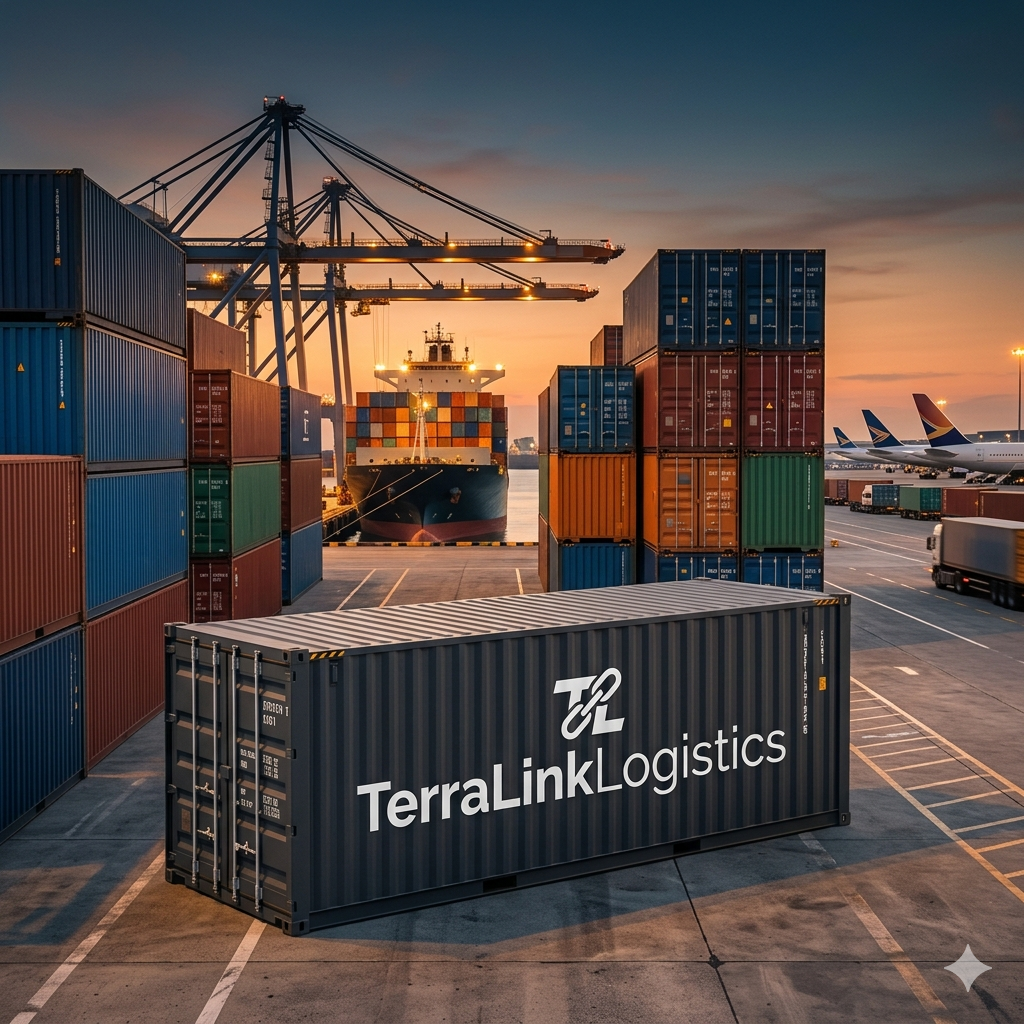
The A-Z Glossary of International Freight Terms
The world of global trade is a massive, complex machine that keeps the modern economy moving. For many business owners and logistics managers, entering this arena feels like stepping into a room where everyone is speaking a different language. Between the acronyms, the legal jargon, and the shifting regulations of different nations, the barrier to entry can be high. However, mastering international shipping is not just about moving goods from point A to point B; it is about protecting your bottom line and ensuring your supply chain remains resilient.
Understanding the vocabulary of freight is the first step toward operational excellence. Whether you are a small business owner importing your first batch of inventory or a seasoned procurement professional, clear communication is essential to avoid costly delays and misunderstandings. TerraLinkLogistics offers international freight and forwarding services that help businesses navigate these complexities with ease. This guide serves as a comprehensive resource to demystify the essential terms of the industry.
1. Understanding the Foundation: Common Shipping Modes and Methods
To navigate the logistics landscape, one must first understand the fundamental ways in which cargo moves across the globe. Each method has its own set of rules, costs, and terminology.
Sea Freight and Containerization
Ocean freight remains the backbone of international trade because of its cost-effectiveness for large volumes. When shipping by sea, you will frequently encounter terms like FCL (Full Container Load) and LCL (Less than Container Load). FCL means your goods occupy an entire container, providing more security and often faster transit times. In contrast, LCL involves “groupage,” where your cargo shares space with other shippers’ goods.
Air Freight and Speed
For high-value or time-sensitive items, air freight is the preferred choice. The primary metric here is Chargeable Weight, which is calculated based on either the actual weight or the volumetric weight of the cargo, whichever is greater. This ensures that light but bulky items are priced fairly relative to the space they occupy on an aircraft.
Intermodal vs. Multimodal
These terms are often used interchangeably, but they have a distinct difference. Intermodal transport involves moving cargo using multiple modes of transport (e.g., rail and truck) where each leg of the journey is handled by a different carrier under a separate contract. Multimodal transport, however, is managed by a single provider under one contract, even though different modes of transport are utilized.
2. The Legal Framework: Incoterms and Documentation
In international trade, the “who, what, and where” of responsibility is defined by Incoterms (International Commercial Terms). These are standardized rules published by the International Chamber of Commerce that define the obligations of buyers and sellers.
Essential Incoterms to Know
EXW (Ex Works): The seller makes the goods available at their premises. The buyer bears all risks and costs from that point onward.
FOB (Free on Board): The seller is responsible for the goods until they are loaded onto the vessel at the named port of shipment.
DDP (Delivered Duty Paid): This is the maximum obligation for the seller, who handles all costs, including import duties and taxes, until the goods reach the buyer’s destination.
Critical Documentation
No shipment moves without a paper trail. The Bill of Lading (BOL) is perhaps the most important document in the entire process. It serves as a contract of carriage, a receipt for goods, and a document of title. In air freight, this is known as the Air Waybill (AWB). Another vital document is the Commercial Invoice, which provides the details for customs authorities to determine the value of the goods and the applicable taxes.
3. The A-Z Glossary of Essential Freight Terms
To help you speak the language of logistics fluently, here is an alphabetical breakdown of the most common terms used in the industry today.
Ad Valorem: A Latin term meaning “according to value.” It refers to a type of duty or tax that is calculated based on the value of the goods rather than their weight or quantity.
Bonded Warehouse: A secure facility where imported goods can be stored, manipulated, or undergo manufacturing operations without payment of duty for a specific period.
Customs Broker: A professional who acts as an intermediary between importers and the government customs department, ensuring that shipments meet all legal requirements.
Demurrage: A fee charged by shipping lines when a container is not picked up from the port within the allotted “free time.”
Harmonized System (HS) Code: A standardized numerical method of classifying traded products. This code is used by customs authorities around the world to identify products for the application of duties and taxes. According to Wikipedia, the HS code system is used by more than 200 countries as a basis for their customs tariffs.
TEU (Twenty-foot Equivalent Unit): A standard measure used to describe the capacity of container ships and terminals. One 20-foot container equals one TEU.
As global markets evolve, staying updated on logistics trends is vital. Reports from Forbes often highlight how digital transformation and AI are currently reshaping how these terms are tracked and managed in real-time.
Conclusion: Mastering the Flow of Goods
The world of international freight is undeniably technical, but it does not have to be overwhelming. By familiarizing yourself with these core terms and the frameworks that govern global trade, you empower your business to make smarter, more cost-effective decisions. Clear communication with your partners and a solid understanding of your responsibilities under different Incoterms can save thousands of dollars in unexpected fees and prevent significant logistical headaches.
Success in the global marketplace requires more than just a great product; it requires a reliable pathway to your customers. TerraLinkLogistics offers international freight and forwarding services designed to streamline this journey for you. Whether you are looking to optimize your current routes or expand into new territories, having an expert partner can make all the difference.
Related Posts

Comme des Garcons jacket details you should know
When it comes to high-end aesthetic, Comme des Garçons stands out for its bold creativity. unique design language. A Comme des Garçons jacket isn’t just outerwear—it’s a statement piece that definitely reflects individuality and artistic expression. From structured blazers to experimental silhouettes, these jackets redefine modern aesthetic. If you&
$7.1M Yearly Revenue for Amazon Agency in USA
In the U.S. Amazon market, competition is not just high—it’s aggressive. Many brands manage to reach $1M–$2M yearly revenue, but very few successfully break into the $5M+ range. From real experience and analyzing top-ranking Google SERP pages, one major gap stands out: most sellers rely on disconnected strategies. They: That’s why brands aiming for seri

Trusted Bathroom Remodeling Services for Stylish and Efficient Bathrooms
A well designed bathroom adds comfort, value, and style to your home. Over time, bathrooms can become outdated or worn out, making remodeling a smart choice. Hiring professional Bathroom Remodeling Services Duluth GA ensures your bathroom is upgraded efficiently, safely, and beautifully. For homeowners looking for a complete renovation, a trusted General Contra
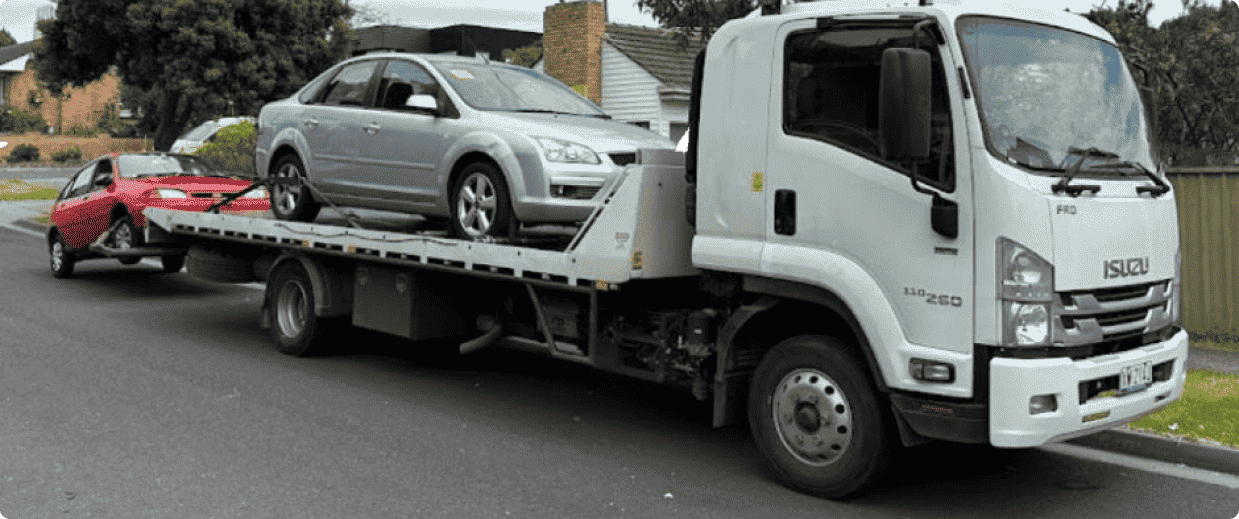
Smart Ways to Handle Old Cars in Melbourne with Cash Options
Many car owners in Melbourne face the same problem. A car gets old, stops working well, or becomes too costly to keep. It may sit in the driveway and take up space. Over time, it can turn into waste if no action is taken. There are many ways to deal with an old car. Some people try to sell it. Others think about repairs. Yet, when the car is too damaged or not
Leave a Reply