

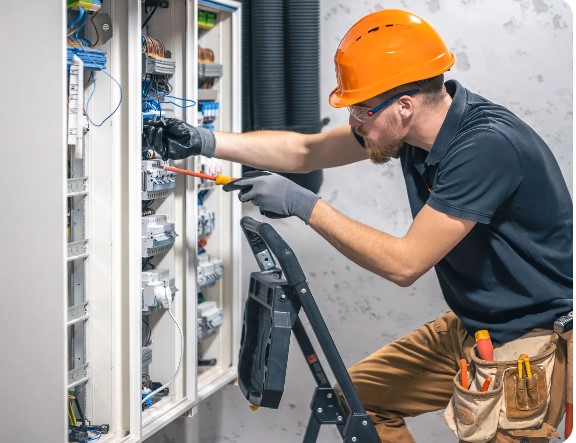
Resolving Connectivity and Power Faults in Smart Homes
The modern home has evolved into a highly complex, interconnected environment where everything from the thermostat to the window blinds is managed by intelligent networks. Whilst this automation offers unparalleled convenience and efficiency, it also introduces a new layer of vulnerability. When these sophisticated systems fail, the cause is rarely straightforward, as the fault could lie within the software, the Wi-Fi network, or the physical power grid itself.
Navigating a malfunctioning smart home requires a meticulous, layered approach to diagnostics. It is incredibly frustrating when a previously seamless automated routine suddenly stops responding or behaves erratically. When standard reboots fail to resolve the issue, enlisting expert Electrical Troubleshooting Services in New Jersey is essential to isolate whether the root cause is a digital communication error or a fundamental physical flaw in the underlying infrastructure.
Differentiating Between Network Drops and Power Surges
The first step in diagnosing an unresponsive smart device is determining the nature of the failure. Often, homeowners confuse a simple network dropout with a power issue. If a smart lighting relay or a connected thermostat appears offline, the initial check should always be the stability of the local Wi-Fi router. However, if the device itself has lost all indicator lights or repeatedly reboots, the issue is likely rooted in the physical power supply.
Micro-surges and voltage fluctuations, which are imperceptible to older analogue appliances, can wreak havoc on the delicate microprocessors inside smart home tech. A sudden voltage spike can scramble a device’s memory or permanently damage its internal power supply. If multiple smart devices on the same circuit begin failing simultaneously, it strongly indicates a physical grid problem that requires immediate, professional diagnostic testing.
The Impact of Incompatible Dimmer Switches
One of the most frequent issues encountered in smart home integrations involves lighting control. Homeowners often attempt to retrofit smart LED bulbs into fixtures controlled by older, traditional dimmer switches. This combination is notoriously problematic. Older dimmers were designed to reduce voltage to incandescent filaments, whereas LEDs require a constant, clean flow of power to their internal drivers.
When an incompatible dimmer is used, the smart bulb may flicker aggressively, emit a loud buzzing sound, or fail to respond to commands entirely. The smart driver inside the bulb is constantly fighting the inconsistent voltage supplied by the old switch. Resolving this issue requires identifying the incompatibility and physically replacing the outdated wall switches with modern, smart-compatible relays or bypassing the dimmer entirely.
Addressing Overloaded Smart Relays
Automated homes rely heavily on smart relays—small devices hidden behind wall switches or within ceiling cavities that control the flow of power to various circuits. These relays are rated for very specific maximum loads. A common mistake during DIY integrations is wiring too many high-wattage fixtures, such as a large chandelier or a row of powerful exterior floodlights, into a single standard-capacity smart relay.
When a relay is consistently forced to handle more current than it was designed for, it will overheat. This can cause the device to randomly drop its network connection, become unresponsive to the central hub, or even physically melt, presenting a severe fire hazard. A professional evaluation is necessary to calculate the true load of the circuit and install heavy-duty contactors if necessary to safely handle the demand.
Diagnosing Interference in Wireless Protocols
Smart home devices communicate using various wireless protocols, such as Zigbee, Z-Wave, or standard Wi-Fi. These signals must travel through the physical structure of the house. Sometimes, the issue is not a lack of power, but physical interference blocking the communication pathway. Dense materials like concrete walls, large metal appliances, or even foil-backed insulation can create dead zones where devices fail to receive commands.
Furthermore, electrical interference from poorly shielded, high-draw appliances (like old microwaves or heavy-duty motors) can disrupt these delicate radio frequencies. Tracing these invisible issues requires a deep understanding of both RF propagation and physical wiring layouts. Specialists can diagnose these dead zones and strategically install hardwired repeaters or reposition hubs to guarantee a robust, reliable communication mesh throughout the property.
Conclusion
A truly intelligent home requires a foundation of absolute stability. When automated systems behave erratically or fail entirely, the complex interplay between software and physical infrastructure makes DIY diagnosis incredibly difficult. By methodically analysing power quality, load limits, and signal integrity, professionals can identify and eliminate the hidden faults disrupting your automated lifestyle.
Call to Action
Are your smart home devices dropping offline, flickering, or failing to respond to your commands? Do not let underlying infrastructure issues ruin the convenience of your automated living space. Reach out to our expert technicians today for a comprehensive diagnostic assessment, and let us restore flawless connectivity and absolute reliability to your modern home.
Related Posts

Vaporesso XROS Series: The Ultimate Vaping Experience in the UK
Vaporesso XROS Series The Vaporesso XROS has become one of the most popular pod systems in the vaping world, especially across the UK. Known for its sleek design, powerful performance, and user-friendly features, the Vaporesso XROS series is ideal for both beginners and experienced vapers. Whether you’re switching from traditional smoking or upgrading your va
Fenomena Slot Deposit 10 Ribu: Mengapa Skema Modal Mini Semakin Populer?
Fenomena slot depo 10k dalam permainan slot online belakangan ini makin sering dibahas, terutama karena munculnya pola permainan modal mini seperti deposit 10 ribu. Banyak pemain yang merasa skema seperti ini lebih ramah dompet, lebih fleksibel, dan terasa “aman” untuk dicoba. Tapi apa sih sebenarnya yang bikin konsep modal kecil ini jadi tren? Ada banyak s
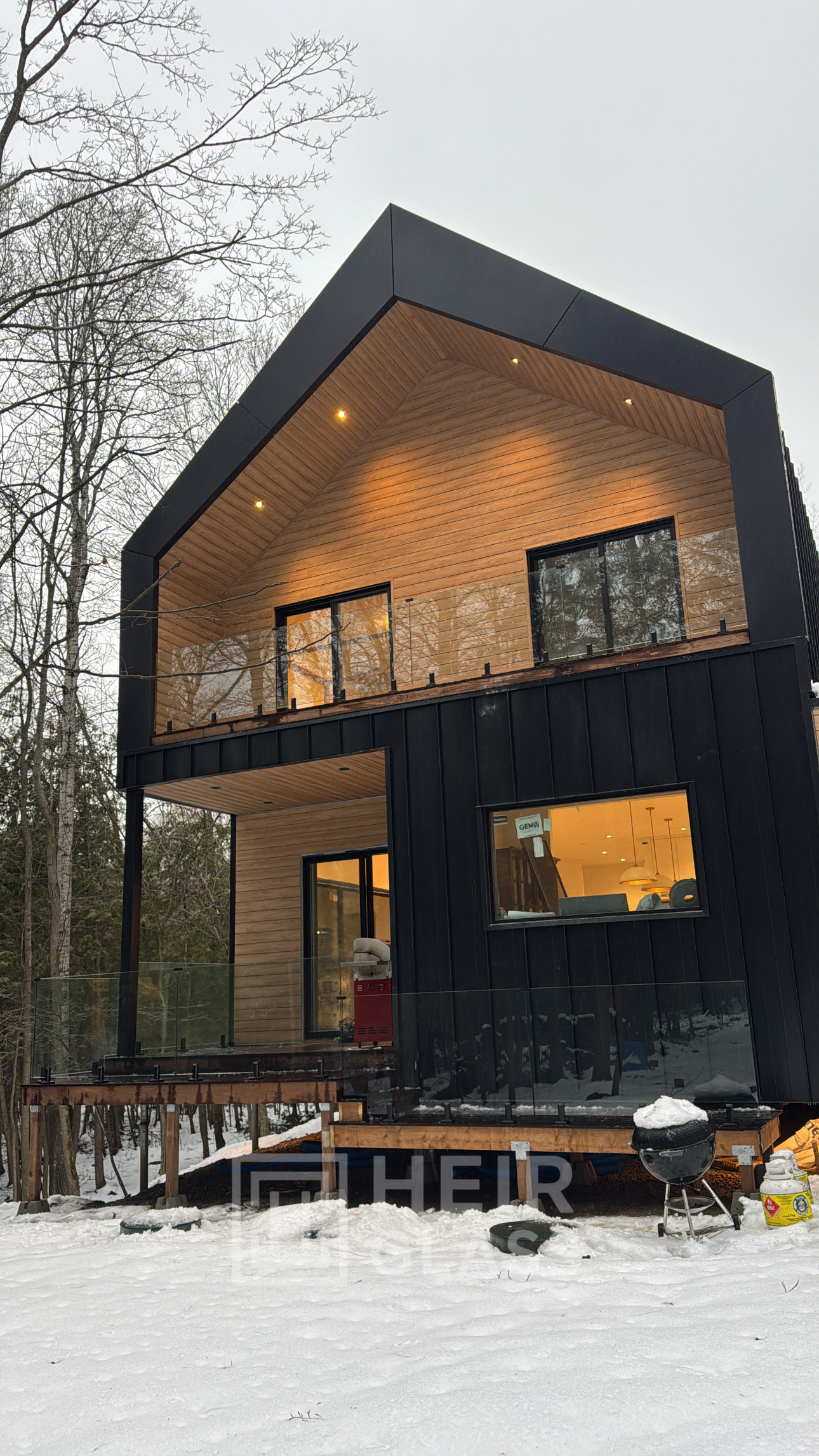
Reliable Residential & Commercial Glass Services Markham
Glass plays a crucial role in modern homes and commercial properties. From enhancing aesthetics to improving energy efficiency and security, quality glass solutions are essential. If you are looking for professional glass services in Markham, choosing a reliable and experienced provider can make all the difference. With trusted names like Heir Glass, you can en

Panduan Anti-Rungkad: Cara Menang Besar di SBOBET & SBOBET88 Buat Kamu yang Masih Bau Kencur
Panduan Anti-Rungkad: Cara Menang Besar di SBOBET & SBOBET88 Buat Kamu yang Masih Bau Kencur Halo, para pejuang keberuntungan! Kalau kamu mampir ke sini, saya asumsikan kamu adalah pemula yang punya cita-cita mulia: pengen menang besar tapi modal pas-pasan, atau minimal pengen berhenti jadi “donatur tetap” di situs favoritmu. Tenang, kita semua
Leave a Reply