

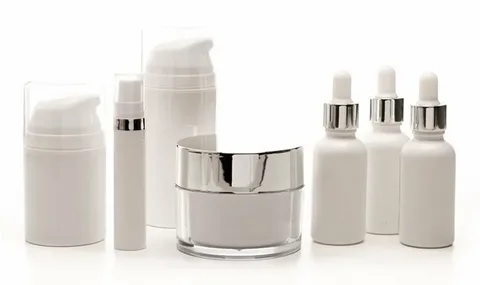
Private Label Products: The Ultimate SEO Guide to Building a Profitable Brand
Building a strong ecommerce brand no longer requires owning a factory or inventing a product from scratch. Today, entrepreneurs can enter competitive markets faster by using private label products to create unique branded experiences with lower production risk.
This guide explains everything from product research and supplier selection to packaging, marketing, SEO, and long-term scaling. Whether you sell on Amazon, Shopify, or social commerce platforms, this strategy can help you create a recognizable and profitable business.
What Are Private Label Products?
Private label products are goods manufactured by one company and sold under another company’s brand name. Instead of making the item yourself, you work with a supplier that already produces the product, then customize branding, labels, packaging, and sometimes formulas or features.
This model is common in:
- Skincare
- Supplements
- Clothing
- Kitchen tools
- Home decor
- Pet accessories
- Fitness equipment
- Beauty tools
The biggest advantage is speed. You can launch faster because the production system already exists.
Why This Business Model Is Growing Fast
Private labeling has become one of the most scalable ecommerce models because it combines low startup complexity with strong brand-building potential.
Key Reasons for Its Popularity
1) Faster Time to Market
You skip product development from zero and focus on branding and distribution.
2) Better Profit Margins
Because you own the branding, you control retail pricing and positioning.
3) Brand Equity
Customers remember your packaging, messaging, and experience—not the manufacturer.
4) Easier Expansion
Once one SKU performs well, adding complementary products becomes easier.
How to Choose the Right Niche
The success of your brand depends heavily on niche selection.
Look for These Market Signals
- High search demand
- Low-to-medium competition
- Repeat purchase potential
- Strong emotional buying triggers
- Opportunities for bundles
- Room for premium positioning
Good niche examples include:
- Organic skincare
- Reusable home products
- Travel essentials
- Smart desk accessories
- Eco-friendly pet items
A profitable niche should solve a clear pain point.
Product Research Strategies That Actually Work
The smartest brands validate demand before placing large orders.
Best Research Methods
Keyword Research
Use search intent data to identify what buyers actively want.
Example LSI terms:
- white label branding
- supplier sourcing
- custom packaging
- ecommerce fulfillment
- Amazon FBA products
- branded merchandise
- MOQ negotiation
- profit margins
Competitor Review Mining
Read negative reviews of competing items and improve weak points.
Social Trend Monitoring
TikTok, Instagram Reels, Reddit, and short-form video platforms reveal emerging demand early.
Marketplace Validation
Study Amazon, Etsy, and local marketplaces for:
- pricing gaps
- image quality weaknesses
- poor listings
- bad branding
Finding Reliable Suppliers
Your supplier determines quality, consistency, and customer retention.
When sourcing private label products, always evaluate more than price.
Supplier Checklist
- Proven manufacturing experience
- Low defect rates
- Flexible MOQ
- Packaging customization
- Fast response time
- Clear compliance documentation
- Stable lead times
- Sample support
Questions to Ask Suppliers
- What is your minimum order quantity?
- Can you customize labels and inserts?
- What is your average defect rate?
- How long is production time?
- Do you support blind dropshipping?
- Can you improve the formula/material?
Never skip sample testing.
Branding That Makes Products Look Premium
Branding is where average sellers become memorable businesses.
Core Branding Elements
Logo and Identity
Your logo should be clean, scalable, and packaging-friendly.
Packaging Design
Premium packaging improves:
- perceived value
- unboxing experience
- repeat orders
- giftability
- social sharing
Brand Voice
Decide whether your tone is:
- luxury
- playful
- minimalist
- eco-conscious
- scientific
- family-friendly
Inserts and Thank-You Cards
Include usage tips, QR codes, and care instructions.
These small details increase trust and retention.
Pricing Strategy for Maximum Margins
A weak pricing model destroys otherwise good brands.
Your Pricing Formula Should Include
- manufacturing cost
- packaging cost
- shipping
- platform fees
- ads
- returns
- taxes
- target margin
For private label products, premium positioning often works better than competing on price alone.
Instead of being the cheapest, focus on:
- better images
- stronger claims
- bundle offers
- warranties
- improved packaging
- faster support
Customers often pay more for confidence.
SEO Content Strategy for Long-Term Organic Sales
Organic search can become your highest ROI channel.
SEO Content Types That Convert
Product Comparison Articles
Examples:
- best collagen powder vs capsules
- ceramic pan vs steel cookware
Educational Blog Posts
Help customers understand the problem your product solves.
Buying Guides
These convert high-intent users close to purchase.
FAQ SEO Pages
Answer real objections:
- Is it safe?
- How long does it last?
- Is it beginner-friendly?
On-Page SEO Best Practices
- keyword in H1
- keyword in first 100 words
- optimized subheadings
- semantic LSI phrases
- short paragraphs
- FAQ schema structure
- image alt optimization
- internal category relevance
Best Sales Channels for Growth
The right channel depends on your product type and budget.
Amazon FBA
Best for:
- high-demand commodity products
- fast-moving consumer goods
- scalable fulfillment
Shopify Store
Best for:
- brand storytelling
- higher customer lifetime value
- better upsells
- email ownership
TikTok Shop
Excellent for viral impulse products.
Wholesale and Retail
Once established, pitch local stores and boutique chains.
Many private label products scale faster when launched across multiple channels instead of relying on one platform.
Common Mistakes to Avoid
Most failures come from avoidable execution errors.
Top Mistakes
Choosing Saturated Products
Avoid generic “me too” items.
Ignoring Packaging
Weak branding kills premium perception.
Poor Supplier Communication
Misunderstood specs lead to defects.
No Demand Validation
Never assume demand without data.
Underestimating Marketing Costs
Customer acquisition usually costs more than beginners expect.
Weak Product Photography
Images directly affect conversion rate.
How to Scale From One Product to a Full Brand
Once your first SKU gains traction, expansion becomes easier.
Smart Scaling Paths
Line Extensions
Launch variations like:
- new colors
- bundle packs
- travel size
- family size
- pro edition
Cross-Sell Products
Sell adjacent items to increase average order value.
Subscription Model
Ideal for consumables like skincare or supplements.
International Expansion
Use regional fulfillment to lower shipping time.
The most successful private label products brands focus on ecosystem building, not just single-item selling.
Long-Term Content Marketing Strategy
To dominate your niche, combine product SEO with authority content.
Build These Assets
- expert guides
- tutorials
- case studies
- before/after content
- UGC campaigns
- customer stories
- how-to videos
- seasonal landing pages
This improves trust, backlinks naturally, and conversion rates over time.
Conclusion
Private labeling remains one of the smartest ways to launch an ecommerce brand with speed, control, and strong profit potential. The winning formula is simple: choose a validated niche, source quality products, create premium branding, optimize for SEO, and scale through customer trust.
The businesses that win are not always the first to market—they are the ones with better positioning, stronger branding, and smarter customer experience systems.
If done strategically, this model can grow from a single winning SKU into a recognizable global brand.
FAQs
What is the difference between private label and white label?
Private label focuses on exclusive branding for one seller, while white label goods are often sold to multiple brands with minimal customization.
How much money do I need to start?
A small launch can begin with a few hundred dollars, but serious branded growth often needs budget for samples, packaging, inventory, and ads.
Is Amazon good for beginners?
Yes, especially if you validate demand first and invest in listing optimization.
How do I reduce risk?
Start with small MOQ orders, test market demand, and improve based on customer feedback.
Which niches work best?
Consumables, beauty, pet care, fitness, kitchen tools, and home organization remain strong.
Related Posts

SEO Tyler TX: Helping Local Businesses Shine in the Digital Landscape
Tyler, Texas is a city known for its vibrant small business community, strong local culture, and steady economic growth. From family-owned shops to expanding service companies, businesses in Tyler rely heavily on local customers. But in the digital age, being known in the neighborhood is no longer enough. To truly grow, companies must also be easy to find onlin

How Often Should You Pressure Wash to Prevent Dust and Dirt Build-Up?
Keeping your property clean requires regular maintenance to protect surfaces and extend their life. Dust, dirt, and debris accumulate over time on decks, siding, driveways, and outdoor spaces. Overlooking this buildup can cause stains, damage, and even health risks for residents. Many homeowners rely on dust and dirt removal pressure washing to maintain cleanli

Labubu: The Enigmatic Charm of a Modern Collectible Icon
In the ever-evolving world of designer toys and collectible art, few characters have captured hearts and imaginations quite like Labubu. With its mischievous grin, wide expressive eyes, and unmistakable personality, Labubu stands as more than just a toy—it is a cultural phenomenon. Rooted in artistic storytelling and elevated by a passionate global fanbase, L

Driving Lessons in Frimley: Beginners and Experienced Learners
Learning to drive is a pivotal step toward independence, confidence, and convenience. For residents of Frimley, Surrey, finding the right driving school and instructor can make all the difference in the journey toward obtaining a full driving license. This guide explores everything you need to know about driving lessons in Frimley, including lesson types, choos
Leave a Reply