
How We Must Uplift Lives Through Strategic Islamic Relief in 2026
The humanitarian map of 2026 looks significantly different from what it did just a few years ago. We are no longer talking about emerging crises; we are witnessing the fallout of protracted, multi-decade conflicts that have pushed entire nations into what the UN now calls a perpetual state of emergency. In Gaza, the West Bank, and Yemen, the goal for millions of families is no longer, it is simply to see the next sunrise. To uplift lives in this climate, the global community has to move beyond the occasional donation and embrace a more structured, faith-driven approach to relief.
A World of Water Bankruptcy and Hunger
By March 2026, the statistics coming out of the Middle East and East Africa are staggering. In Gaza alone, over 1.7 million people have been displaced multiple times in just the last few months. Rainstorms this March have flooded makeshift camps, turning shelters into mud pits and triggering a massive spike in skin infections and waterborne diseases. It is a grim reality where 77% of the population is facing severe hunger, and nearly 250,000 children are currently being treated for acute malnutrition.
In Yemen, the situation is equally haunting. The country has entered 2026 with 18.3 million people facing crisis levels of food insecurity. We aren’t just talking about a lack of food; we are talking about a total collapse of the systems that provide clean water. With only 59% of health facilities still functioning, the infrastructure is on life support. This is where Islamic Relief steps in. It isn’t just about handing out a bag of flour; it’s about the massive logistics of solar-powered water wells and mobile medical teams that can reach the villages the rest of the world has forgotten.
Zakat as a Precision Tool
One of the most effective ways to live in 2026 is through the calculated distribution of Zakat. For many, the mandatory 2.5% contribution is the most significant financial act of the year. In a year where G7 aid budgets are being slashed, the estimated $600 billion in global Zakat has become the ultimate safety net for the world’s poor.
Why 100% Distribution Models are the 2026 Standard
Trust is the currency of 2026. Donors are no longer satisfied with vague reports; they want to know exactly where their money goes. This has led to the rise of the 100% Zakat model. Under this system, every penny of a donation goes directly to the field. Administrative costs, staff salaries, and marketing are covered by separate, voluntary donations (Sadaqah).
This model is particularly vital for projects in Palestine and Yemen. When a donor contributes toward a water pump donation, they aren’t just buying hardware; they are paying for the engineers, the drilling rigs, and the solar panels that will keep that water flowing for the next ten years. In 2026, the focus has shifted from temporary aid to resilient infrastructure. It’s about building a well that won’t run dry when the fuel prices spike again.
Restoring Dignity Through Choice
A major shift in 2026 humanitarian work is the move away from the standard food box toward cash and voucher assistance. Why? Because it preserves human dignity. Instead of waiting in a line for a pre-packed parcel, a family in a displacement camp receives a digital voucher. This allows them to go to a local market and buy the specific food, medicine, or clothing their children need.
This approach doesn’t just live, it uplifts local economies. It keeps the small-town grocer in business and ensures that the aid money circulates within the community it is meant to help. It’s a smarter, more empathetic way of providing Islamic relief that recognizes that the poor are the best judges of their own needs.
The Long-Term Vision of Sadaqah Jariyah
Finally, we must look at the concept of continuous charity. While emergency food packs save lives today, it is the long-term projects that change the future. In 2026, this looks like sponsoring an orphan’s education or planting community gardens that can withstand the increasingly harsh climate.
When an individual chooses to donate money to a charity for a sustainable project, they are creating a ripple effect. A single water well can support an entire village, allowing girls to go to school instead of walking miles for water. This is the ultimate goal of any humanitarian effort: to create a world where aid is eventually no longer needed because the community has become self-sufficient.
FAQs
Can Zakat be used for water projects in Palestine?
Yes. If a water project directly serves eligible families who are poor or needy, it is Zakat-applicable. Many donors choose this as it provides a long-term solution to the water bankruptcy facing the region.
How is aid delivered to Gaza in 2026?
Aid delivery is a complex operation involving coordination between UN agencies and local partners. Despite bottlenecks at crossings like Kerem Shalom, humanitarian teams utilize safe corridors to deliver hot meals, medical supplies, and hygiene kits to displacement sites.
What is the difference between Zakat and Sadaqah?
Zakat is a mandatory 2.5% annual payment on wealth that exceeds the Nisab. Sadaqah is a voluntary, open-ended act of charity that can be given in any amount at any time to uplift lives and support a wide range of causes.
Why is cash assistance better than food parcels?
Cash assistance allows families to buy exactly what they need, which reduces waste and supports local markets. It also treats the recipient with the dignity of choice, rather than providing a one-size-fits-all solution.
Related Posts
How to Improve Sales with Google Reviews Integration for WooCommerce
The 2026 Trust Economy: Why Google Reviews Are Important for WooCommerce Growth In 2026 eCommerce success is not about marketing or product quality. It’s about trust. Buyers now rely on customer feedback before buying something. They look for experiences from other customers, not just brand messages. This change has turned the sales process into a “
Desa Tsumago: Langkah Pelan di Jalan Nakasendo
Tsumago adalah desa pos tua yang dipertahankan seperti zaman Edo. Tidak ada kabel listrik mencolok atau bangunan modern. Berjalan di jalan batu desa ini terasa seperti kembali ke masa lalu. Suasananya sunyi, bersih, dan tertib. Tsumago cocok untuk wisatawan yang ingin berjalan pelan dan menikmati slot server luar negeri sejarah tanpa keramaian. Pulau Sado adala
Professional Custom Pencil Boxes Crafted for Bulk Distribution Needs
As a way of coordinating the stationery, custom pencil boxes will be very important and, at the same time, a manifestation of individual or brand identity. They offer an ideal means to keep pencils, pens, and other small office items by offering a practical means of storing them that keeps work areas clean and accessible. Pencil boxes are beneficial to business
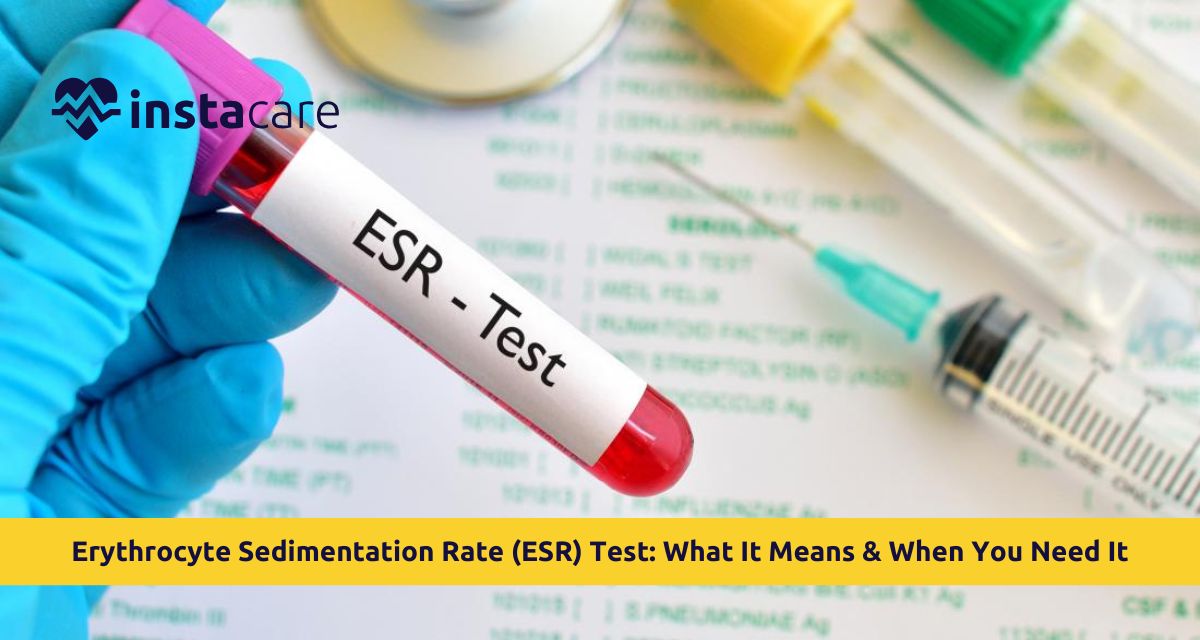
Erythrocyte Sedimentation Rate: A Comprehensive Guide
The Erythrocyte Sedimentation Rate (ESR) test is a simple blood test used to measure the rate at which red blood cells (erythrocytes) settle at the bottom of a test tube over a specified period. It is an important diagnostic tool that helps assess the presence of inflammation in the body. The ESR test is commonly used to detect inflammatory conditions, monitor
Leave a Reply