

How Visual Branding Enhances Food Experience
Food satisfies starvation, however the enjoyment surrounding it satisfies something deeper emotion, memory, and identification. That experience is shaped heavily by visible branding. From the instant clients see a logo to the instant they take a seat down and study the table, each visible element influences how they feel about a meal. When carried out nicely, visible branding turns normal dining into something clients need to revisit, image, and speak about.
1. What Is Visual Branding in the Food Industry?
Visual branding in the food vicinity is going a prolonged way past an emblem. It consists of each visible element a patron encounters hues, fonts, packaging textures, desk settings, signage, interior layout, or possibly the manner condiments are prepared. Together, the factors create a unified identity that tells clients what your emblem stands for.
A rustic café with warm timber tones and hand-drawn illustrations feels very awesome from a minimalist sushi bar with smooth traces and muted palettes. Both are intentional. Both use scene branding to set expectations earlier than the food arrives.
2. Color Psychology: How Colors Shape Appetite and Mood
Color is one of the most effective gear in visible branding. Research continually indicates that hues have an effect on appetite, electricity stages, and emotional responses.
- Red and orange stimulate appetite and create urgency not unusual in speedy-informal and road-meals producers.
- Green alerts freshness, health, and natural excellence.
- Black and gold speak luxurious and sophisticated.
- White and beige advise cleanliness, simplicity, and modernity.
When a logo’s colours appear constantly throughout signage, menus, packaging, and table factors, they create a temper that allows the food. Customers start to companion the ones shades with a specific feeling of consolation, pleasure, splendor, or freshness.
3. Typography and Logo Placement in Dining Environments
Typography influences how clients “study” a brand. A playful script font communicates warm temperature and approachability. A formidable sans-serif font communicates performance and modernity. The style of lettering has to shape the meal experience the emblem promises.
Logo placement also subjects. When an emblem appears on napkins, cups, menus, and table settings, it creates unconscious repetition that builds familiarity. Customers start to recognize the logo no longer simply by way of name, but with the aid of the visible “feel” they encounter at each touchpoint.
4. Interior Design and Ambiance as Brand Storytelling
For dine-in manufacturers, the bodily environment is the most immersive shape of visual branding. Lighting, wall colors, fixtures, fashion, paintings, and decorative factors all make contributions to the story.
A circle of relatives-friendly burger joints would possibly use vibrant lighting, ambitious murals, and colourful seating. A fine-eating status quo would possibly use dim lighting fixtures, neutral tones, and elegant tableware. Neither approach is incorrect; both align the surroundings with purchaser expectations and emblem identification.
When customers feel comfortable and engaged via the gap, they stay longer, order greater, and develop emotional loyalty to the emblem.
5. Menu Design: The First Visual Touchpoint
For many clients, the menu is the primary brand interaction. A well-designed menu communicates professionalism, persona, and satisfaction.
Effective menu layout includes:
- Clear hierarchy (signature items stand out)
- Consistent fonts and colorations that match the emblem
- Appetizing descriptions that complement the visuals
- Strategic format that courses the eye closer to high-margin gadgets
A visually cohesive menu units the tone for the whole lot that follows. It tells clients that the logo is prepared, assured, and intentional.
6. Table Presentation: How Small Details Shape the Dining Moment
The eating table is where branding becomes tangible. Customers physically interact with branded factors napkins, utensils, plates, cups, and placemats. These gadgets create a sensory enjoyment that goes past taste.
Table details that influence perception consist of:
- Plate and bowl style (white plates feel easy; wood forums sense rustic)
- Napkin quality and folding (crisp folds sign care)
- Condiment presentation (labeled bottles vs. Standard squeeze containers)
- Table floor care (clean, protected surfaces signal hygiene)
Every detail at the table both reinforces or undermines the emblem identification. When all portions align, customers feel immersed in a curated experience.
7. The Role of custom paper placemats in Elevating Brand Experience
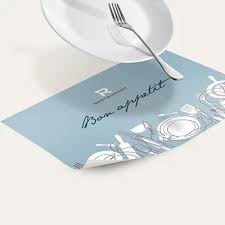
One of the most neglected yet impactful table factors is the placemat. A custom paper placemats does extra than protect the table—it will become a branded canvas that complements the whole eating moment.
Here is how custom paper placemats reinforce visible branding:
- Brand storytelling: A placemat can display your brand, logo colors, tagline, or even a short tale about your starting place. It offers clients something to have interaction with while watching for meals.
- Visual consistency: When each desk capabilities the equal branded placemat, the eating room feels cohesive and professional.
- Interactive enjoy: Some producers use placemats for puzzles, a laugh information, or youngsters’ sports, turning prepared time into engagement time.
- Hygiene belief: An easy, fresh placemat indicates that the logo cares about presentation and cleanliness at every level.
- Cost-powerful advertising: Compared to permanent décor, custom paper placemats are low cost and easy to replace for seasonal promotions, restrained-time menus, or excursion subject matters.
For a circle of relatives-friendly restaurants, fast-informal spots, and informal dining manufacturers, a custom paper placemat is one of the most effective methods to feature a branded layer to the enjoyment without primary funding.
8. Social Media and the Visual-First Customer
Today’s customers photograph almost the whole lot. When the dining environment and table presentation look one-of-a-kind, clients are more likely to seize and proportion the moment.
Visual branding elements that appear in consumer images—like a superbly designed placemat, branded cups, or precise interior information turn out to be free advertising. Each publisher extends the emblem’s reach and introduces new audiences to the visible identity.
Brands that invest in visual information often see better social media engagement really due to the fact the experience feels “well worth sharing.”
9. Consistency Across Dine-In, Takeout, and Delivery
Visual branding need to not prevent on the restaurant door. Customers count on a steady experience whether or not or not or not they dine in, order takeout, or get keep of transport. This way branded packaging, matching shade schemes, and cohesive format elements at some point of each channel.
When a client opens a transport bag and sees the identical sun shades, fonts, and layout language they accomplice with the dine-in experience, emblem hold in thoughts deepens. Consistency indicators reliability and reliability drives loyalty.
10. Conclusion: Visual Branding as an Experience Multiplier
Visual branding isn’t ornament. It is a strategic device that shapes how customers experience, what they remember, and whether or not or no longer they cross their lower back. From coloration psychology to interior layout, from menu layout to table data like a custom paper placemat, which include brand printed custom paper placemats Every visible element contributes to the overall experience.
When the ones kind of things align, food becomes extra than a meal it becomes a 2nd customer companion with your logo. And in a competitive market, that 2d is what maintains them coming down
Related Posts
Food Presentation Techniques That Make Customers Spend More
Restaurants and meals organizations often consciousness on taste and fee whilst looking to boom sales—but presentation is a hidden profit lever. How food seems on the plate, inside the basket, or at the table immediately affects how an awful lot customers understand they’re getting, how premium the enjoy feels, and how willing they’re to spend greater
Leave a Reply