

How to Dress Like Tommy ShelbyThe Complete Peaky Blinders Style Guide
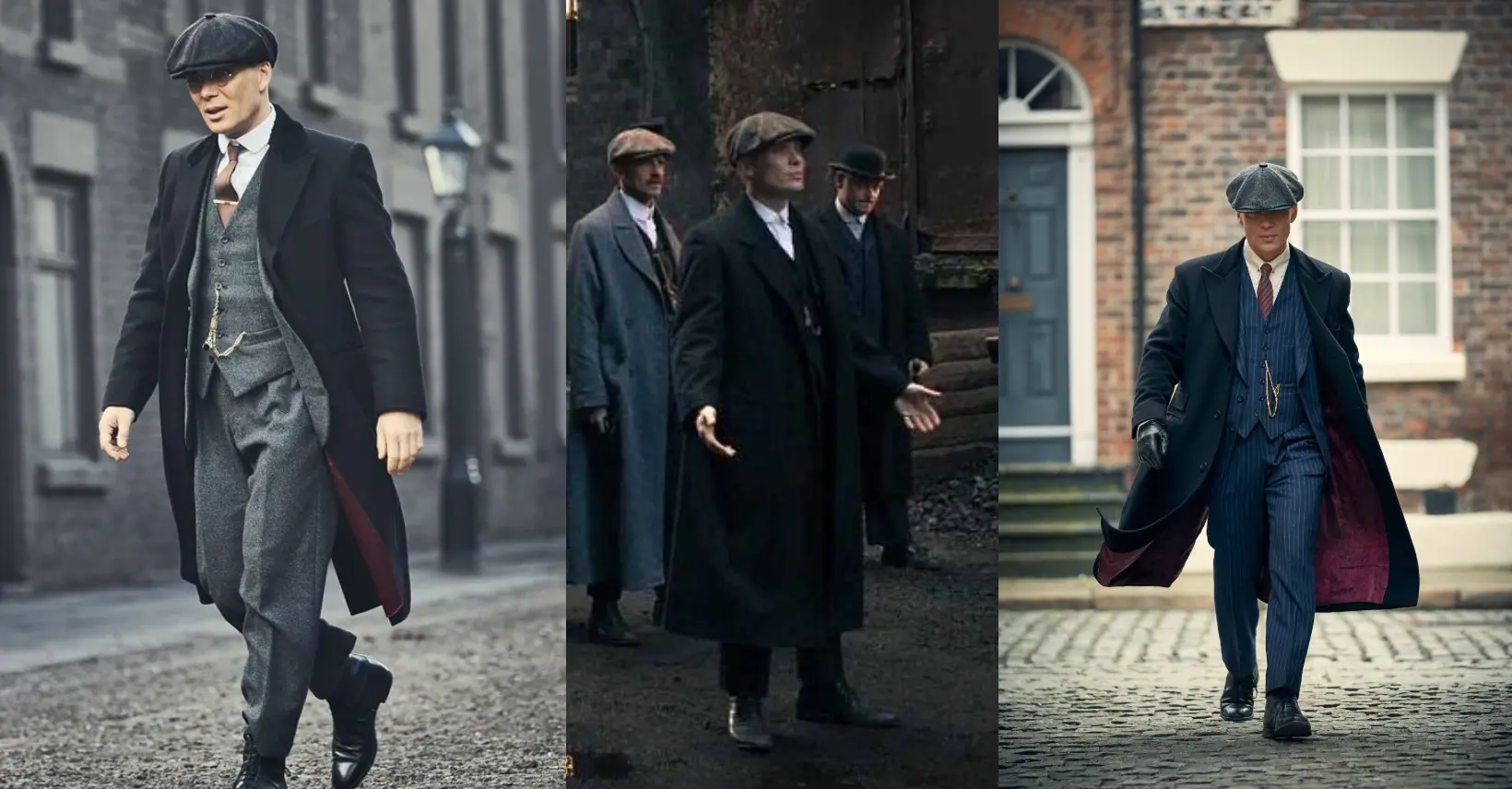
Some TV characters are remembered for their words. Thomas Shelby is remembered for how he looks. The flat cap was pulled low. The overcoat draped like armour. The three-piece suit that says more about power and ambition than any speech ever could. Cillian Murphy’s portrayal of the Peaky Blinders leader created one of the most instantly recognisable style identities in modern television — and one that men around the world have been trying to recreate ever since.
This guide gives you everything you need to actually do it right. Not just a list of clothing items — but the specific details, the fit rules, the seasonal evolution, and the mindset behind the look. Whether you’re dressing for a themed event or pulling real pieces into your permanent wardrobe, this is the only guide you’ll need.
The Story Behind the Style: Why Tommy Dresses the Way He Does
Understanding the character’s wardrobe choices starts with understanding his world. The show opens in Birmingham in 1919, just months after the end of World War One. Tommy Shelby — like most working-class men of his generation — returned from the trenches to a city still in poverty, wearing the same heavy wool suits and functional outerwear that were standard for men of his class and time.
What separates Tommy from the other Blinders is the trajectory. His wardrobe doesn’t stay static — it rises with him. From the rough-edged practicality of Series 1 to the near-aristocratic precision of Series 5 and 6, every change in his clothing reflects a change in his status, his power, and his psychology. The suits get sharper. The fabrics get finer. The accessories get more deliberate.
That tension — between working-class roots and relentless upward ambition — is what makes the look so compelling. It’s not a costume. It’s a character study.
The 8 Core Pieces of the Look — In Order of Importance
1. The Flat Cap — The Most Recognisable Element
If there is one single piece that defines the look above everything else, it is the flat cap. More specifically, the baker boy or newsboy cap — eight fabric panels radiating from a central button on top, with a structured peak that sits firmly forward.
What to look for:
• Eight-panel construction — not a traditional flat cap with a one-piece top
• Fabric: 100% wool, herringbone or tweed weave in charcoal, dark brown, or navy
• A structured brim that sits horizontally — not turned up or curved
• Wear it pulled low and forward over the forehead, with a very slight forward tilt
The way the cap is worn matters as much as the cap itself. It sits with authority — not casually perched or pushed back. When Tommy pulls the cap down, it’s a full stop at the end of a sentence.
2. The Three-Piece Suit — The Foundation of Everything
The three-piece tweed or wool suit is the backbone of the entire look. Without it, nothing else reads correctly. The suit consists of a jacket, matching waistcoat, and high-waisted trousers — all cut from the same fabric.
Fabric and colour:
• Herringbone tweed in dark charcoal, dark brown, or navy blue for early seasons
• Finer wool-flannel or chalk stripe for later seasons as Tommy’s wealth grows
• Always dark tones — beige, cream, or light grey are never part of this wardrobe
Fit is critical:
• The jacket should sit close to the body — not boxy, not oversized
• High-waisted trousers with a full break over the boot — worn with braces, not a belt
• The waistcoat should button completely, with the bottom button sitting just above the trouser waistband
If there is one investment worth making for this look, it is having the suit tailored to your measurements. An off-the-rack suit in the right fabric but wrong fit will always read as a costume. A well-fitted suit reads as a wardrobe.
3. The Overcoat — The Statement Piece
Tommy’s overcoat is where the look goes from period-accurate to genuinely cinematic. It is long, structured, and worn with the kind of effortless authority that makes every entrance feel like a scene.
Key details:
• Length: reaches the knee or below — significantly longer than a modern topcoat
• Wide peak lapels that mirror the suit jacket underneath
• A velvet collar — this single detail elevates the overcoat from workwear to something theatrical and commanding
• Heavy wool or tweed in black, charcoal, or very dark navy
• A rich burgundy or deep red lining — visible at the lapels when the coat moves
Styling note: the overcoat is almost never fully buttoned. One button at the waist at most — or simply draped across the shoulders. A fully buttoned overcoat reads as functional; a draped one reads as powerful.
4. The Shirt — The Detail Most People Get Wrong
Most style guides tell you to wear a white shirt and leave it there. That misses the most important detail in the entire outfit.
Tommy Shelby’s shirts are one of two specific collar styles — and the collar is everything:
• Club collar shirt (round collar / Eton collar): The rounded collar that sits close to the neck, fastened all the way to the top. This is his default look, particularly in early seasons.
• Collarband shirt (grandad collar / band collar): A thin band of fabric at the neck with no collar points. Fastened to the top. Clean, minimal, and period-accurate.
• Collar bar / pin collar shirt (later seasons): The collar is fastened with a pin or bar that pulls the tie knot forward and upward. A small detail that reads as significantly more refined.
One absolute rule across all seasons: the collar is always fastened to the top. There is no open-collar Tommy Shelby. This is non-negotiable for the look.
5. The Waistcoat — The Structural Heart of the Outfit
In many of Tommy’s most powerful scenes, he is in waistcoat and shirt only — jacket removed. This tells you everything about how much work the waistcoat is doing. It carries the silhouette and the formality of the outfit even without the jacket.
• Always matched to the suit trousers — never mix fabrics
• All buttons fastened, always — bottom button just above the trouser waistband
• The braces are worn over the shirt and visible beneath the waistcoat
• A slight V-opening at the chest reveals the tie knot — keep this proportional
6. The Tie — Deliberate Imperfection
Tommy’s tie is not the centrepiece of his outfit. It supports everything else without drawing attention to itself — which is actually quite hard to pull off.
• Fabric: knitted wool, grenadine, or a textured woven silk — never a shiny satin tie
• Knot: four-in-hand, tied slightly loose and slightly off-centre. Not a Windsor. Not perfectly straight.
• Colour: muted tones — burgundy, forest green, dark navy, olive. Never a bold or bright tie.
• A tie pin or tie bar is worn once the knot is set — slim, gold or silver finish
7. The Boots — Always Boots, Never Shoes
Tommy Shelby wears leather boots across every season. Not Oxford shoes, not Derby shoes — boots. This is consistent and deliberate, rooted in his working-class and military background.
• Style: black or dark brown leather lace-up ankle boots with a cap toe
• Sole: slightly chunky and durable — not a sleek dress shoe sole
• Brogue detailing on the toe cap is period-accurate and acceptable
• Condition: polished and maintained, but clearly worn — not showroom new
The boots should look like a man who takes care of his appearance but is not afraid of the street.
8. The Accessories — Where the Look Is Won or Lost
This is the section that makes the difference between a great recreation and a generic 1920s costume. The accessories are the fingerprint of the look.
| Accessory | What to Look For |
| Flat cap (baker boy) | 8-panel tweed or herringbone, dark charcoal or navy, structured peak — worn low and forward |
| Pocket watch & chain | Gold tone, attached to waistcoat pocket — chain runs horizontally across the front |
| Braces (suspenders) | Worn under waistcoat, visible when jacket is off — clip or button-on style |
| Tie pin / collar bar | Slim, gold or silver — holds the tie knot forward. Small detail, massive impact on authenticity |
| Pocket square | White, simple flat or one-point fold — appears increasingly as Tommy’s status rises |
| Signet ring | Simple gold band on the little finger — understated but consistent across seasons |
| Leather boots | Black or dark brown lace-up ankle boots with a cap toe — polished but not pristine |
Season-by-Season Style Evolution
Tommy’s wardrobe evolves significantly across the series. Knowing which version of the character you want to recreate is essential — because each era has a distinct look and feel.
| Series | Era | Style Notes |
| Series 1–2 | 1919–1922 | Heavy tweed, rough-edged, practical. Club collar shirts. Braces visible. Cap worn constantly. Rugged working-class energy. |
| Series 3–4 | 1924–1926 | Sharper, more expensive fabrics. Collar bar pin introduced. More accessories. Overcoat becomes theatrical. |
| Series 5–6 | 1929–1934 | Pinstripe flannel suits. Deep burgundy silk linings. Tuxedo for formal events. Same silhouette, every detail elevated. |
| The Immortal Man | 2026 | Opens in heavy woollens and a hood — deliberately hiding the Shelby silhouette. Return to the three-piece is a major character moment. |
The Haircut: The Detail Every Guide Skips
Here is something almost no style guide mentions: the full look only works if the haircut works. Cillian Murphy’s Peaky Blinders crop is as much a part of the character as the flat cap — and without it, even the most perfectly assembled outfit will fall slightly short.
The cut is known as the Peaky Blinders crop:
• Very short or skin-faded sides and back — tight to the skull
• Longer on top — roughly 2 to 3 inches of textured, natural length
• The top section is worn forward and slightly to one side — never styled upward or swept back
• Minimal product — a small amount of matte paste at most, for a natural, slightly undone texture
Tell your barber: skin fade on the back and sides, textured crop on top, worn forward. Most barbers know exactly what this means — it has been one of the most requested men’s cuts for nearly a decade. Bring a reference photo to be precise.
Putting It All Together: Step-by-Step Dressing Order
The order in which you put on each piece matters — particularly for making the waistcoat and braces sit correctly.
1. Start with the collarband or club collar shirt — fastened all the way to the top.
2. Attach the braces to the trousers and put them on — adjust the braces so they sit comfortably over the shirt.
3. Put on the waistcoat and fasten all buttons. The bottom button should sit just above the trouser waistband.
4. Tie the tie using a four-in-hand knot — slightly loose, slightly asymmetric. Add the tie pin once the knot is set.
5. Attach the pocket watch — chain through the left waistcoat buttonhole, watch into the right-hand pocket.
6. Put on the suit jacket. The shirt collar should be just visible above the jacket collar.
7. Add the overcoat — either draped across the shoulders or fastened at a single button at the waist.
8. Put the flat cap on last — pulled low and forward over the forehead. Not tilted. Not casual. Low and deliberate.
Once dressed, check the fit in a full-length mirror. The silhouette should read as compact and precise — never boxy, never slouchy. If something looks off, it is almost always a fit issue, not a styling issue. A good tailor is worth every penny for this look.
Tommy Shelby vs. Generic 1920s: What Makes This Look Specifically His
A lot of content about this style is really just a broad 1920s menswear primer. What makes the tommy shelby outfit distinct from any other character of the era comes down to a small set of very specific choices:
• The flat cap worn low — not at an angle, not tilted back, not perched. The cap is never casual on Tommy.
• The overcoat is always dramatically long — longer than a modern topcoat, longer than most period coats you’ll see in other productions.
• The colour palette is consistently dark — charcoal, navy, dark brown, black. Never light tones, never beige.
• The silhouette is always compact and precise — close to the body, structured shoulders, defined waist.
• All metal accessories are gold-toned — watch, ring, tie pin. Never silver.
• The finishing is always immaculate from the waist up — even in scenes of extreme stress or violence, the outfit is worn with care.
It is this precision — not the individual pieces — that makes the look unmistakable. Anyone can put on a tweed suit and a flat cap. Very few people can wear it the way Tommy Shelby wears it.
Building This as an Everyday Wardrobe vs. a Full Costume
There is a meaningful difference between dressing up as Tommy Shelby for an event and incorporating the style into your permanent wardrobe. Both are valid — but the approach is different.
For a themed event or costume:
• Prioritise the silhouette and the key recognisable pieces: flat cap, three-piece suit, overcoat.
• The accessories matter enormously for cosplay accuracy — pocket watch, tie pin, and braces will do more for recognition than any other detail.
• Off-the-rack is acceptable for a one-off event, but get the fit checked — even a quick press and minor alteration will make a visible difference.
For everyday integration into your wardrobe:
• Start with the flat cap and a dark wool suit — these two pieces alone carry the spirit of the look into daily life without reading as theatrical.
• A collarband shirt in white or pale blue is a versatile everyday piece that references the aesthetic without being literal.
• Good quality leather boots are a wardrobe investment that pays off far beyond this specific look.
• Build slowly — add the pocket watch, the braces, the tie pin over time as you find quality pieces. Rushing it will make it look assembled, not lived-in.
Frequently Asked Questions
Q1. What fabric is the suit made from?
The suits in the early seasons are made from heavy herringbone tweed or houndstooth wool in dark tones — charcoal, dark brown, and navy. As the character’s wealth increases across later seasons, the fabric evolves to finer wool-flannel blends, occasionally with a chalk or pin stripe. The fabric is always heavy and structured — never lightweight or shiny.
Q2. What type of flat cap is it exactly?
It is a baker boy cap or newsboy cap — distinguished from a standard flat cap by its eight-panel construction. Each panel radiates from a central button at the top of the crown. The peak is structured and sits forward horizontally. Look for 100% wool construction in a herringbone or tweed weave. Dark charcoal or navy are the most accurate colour choices.
Q3. Can this look be worn in everyday life — not just as a costume?
Yes, and many men do incorporate elements of this aesthetic into their regular wardrobe. The key to avoiding it reading as theatrical in daily life is restraint: wear two or three key pieces at a time rather than the full layered look. A dark tweed suit with a collarband shirt and leather boots already communicates the aesthetic clearly without requiring the overcoat, pocket watch, and braces simultaneously.
Q4. What is the Peaky Blinders haircut called?
The cut is commonly referred to as the Peaky Blinders crop — a skin fade or tight taper on the sides and back with 2 to 3 inches of textured length left on top, worn forward and slightly to one side. Ask your barber for a skin fade with a textured crop on top and show a reference image from the series for precision.
Q5. Does the look work for all body types?
Yes — with the right tailoring. The high-waisted trousers and structured jacket create a long, lean silhouette that works well across body types. The key is fit: the suit must be tailored to your measurements. A boxy or poorly-fitted suit will undermine the look regardless of how accurately you’ve chosen the other pieces.
Q6. What is the most important single piece to get right?
The flat cap — by a significant margin. It is the piece that triggers recognition immediately and sets the tone for everything else. A well-chosen, correctly worn baker boy cap in a quality tweed fabric, pulled low and forward over the forehead, does more for the overall look than any other individual piece.
Q7. What colours should I avoid?
Avoid any light or warm neutral tones — beige, cream, tan, camel, light grey, or off-white are not part of this wardrobe. The entire colour palette is anchored in dark, cool tones: charcoal, navy, dark brown, forest green, and black. Any deviation from this palette will immediately break the visual coherence of the look.
To Conclude This:
The best-assembled version of this look in the world still won’t land right if it isn’t worn with conviction. Get the pieces right. Get the fit right. Pull the cap down low. And carry yourself like a man with a plan.
Related Posts

How Custom Packaging Helps U.S. Brands Improve Product Appeal, Protection, and Customer Experience
Explore custom packaging solutions for U.S. businesses, including retail, bakery, shipping, and subscription boxes to boost branding and customer experience.

A world class packaging team, built for you
Eget gravida cum sociis natoque penatibus. Scelerisque mauris pellentesque pulvinar pellentesque habitant morbi. Erat imperdiet sed euismod nisi porta lorem mollis aliquam. Diam vulputate ut pharetra sit. In dictum non consectetur a erat nam. Pulvinar proin gravida hendrerit lectus a. Duis ultricies lacus sed turpis tincidunt. Et molestie ac feugiat sed lectus.
Represent Shorts: The Ultimate Standard of Premium Streetwear Comfort
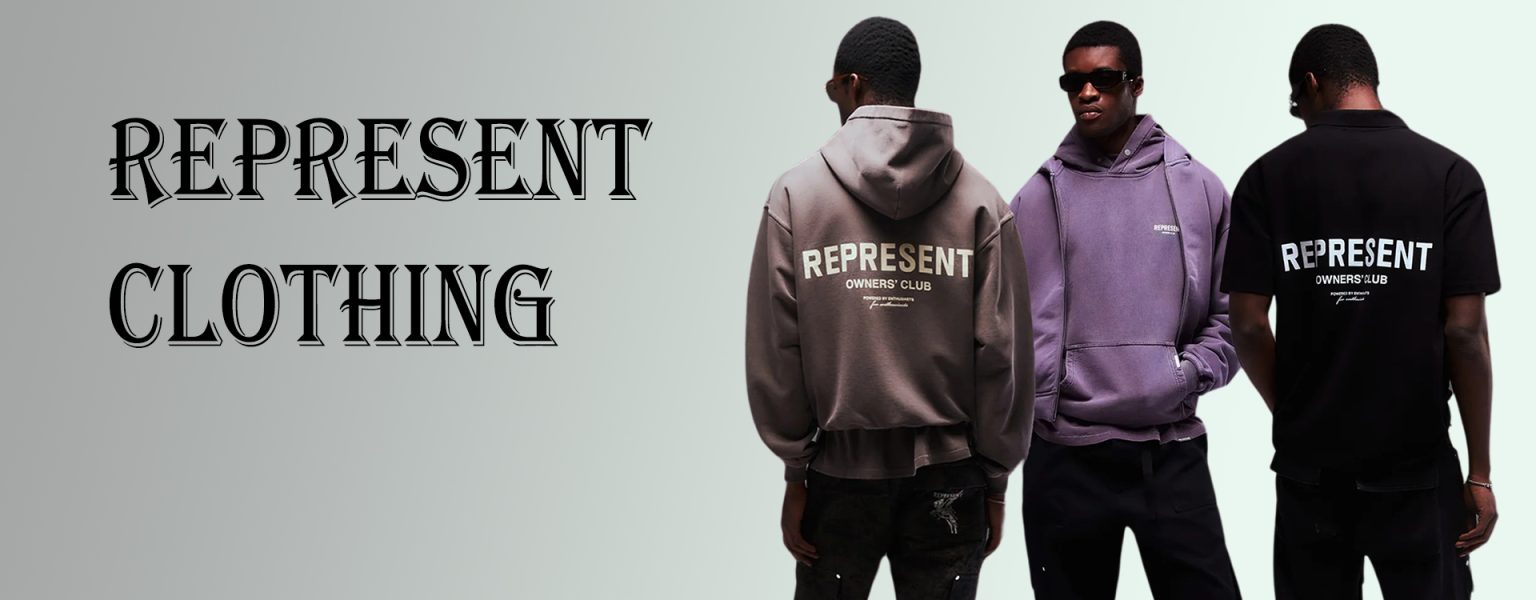
The Represent Shorts have become a defining staple in the world of modern streetwear, delivering a seamless blend of luxury craftsmanship and everyday comfort. We recognize that these shorts are more than casual wear; they represent a refined approach to relaxed fashion. With a growing presence in global street style, Represent Shorts are embraced by individual
LEGO UK Building Creativity, Learning, and Endless Imagination
Introduction: Why LEGO UK is Still a Classic Few brands have been able to capture the imagination of the globe as LEGO UK have with educational and creative play toys. For decades LEGO has been used as a tool for learning, growing children’s and adults’ imagination to new heights. From simple constructions to elaborate and intricate masterpieces, LE
Leave a Reply