

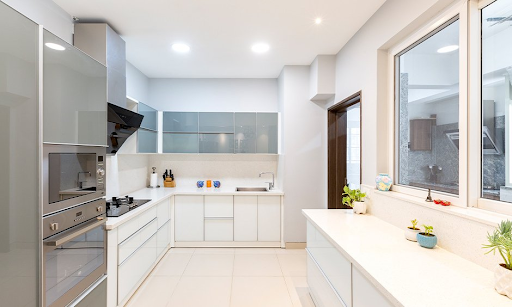
How Much Do Granite Kitchen Surfaces Cost After Installation?
If you’re thinking about upgrading your kitchen, you’ve probably already fallen in love with granite. It’s hard not to. It looks stunning, it holds up beautifully over time, and it adds real value to your home. But before you commit, you need to know the full picture, especially what you’ll spend once everything is done.
Most people focus only on the material cost. That’s a mistake. The total bill includes a lot more than just the stone. It covers cutting, fitting, sealing, and getting rid of your old countertops. When you add it all up, the number can surprise you.
That said, granite is still one of the smartest kitchen investments you can make. Homeowners across Milwaukee have been choosing granite kitchen countertops for decades and for good reason. They’re tough, they’re timeless, and they genuinely hold their appeal long after installation day.
So what should you actually expect to pay? Let’s walk through it together no jargon, no confusing estimates, just honest numbers and practical advice.
What You’re Really Paying For
When a contractor gives you a quote, it’s usually broken into two parts: the material and the labor. Both matter. Neither should catch you off guard.
Material costs for granite typically run between $40 and $200 per square foot. The range is wide because granite isn’t one-size-fits-all. Some slabs are common and affordable. Others are rare, imported, and priced accordingly. What you choose the color, the pattern, the thickness shapes everything.
Installation costs add another $35 to $85 per square foot on top of that. This covers the skilled labor involved in measuring, cutting, polishing edges, and setting the stone. Don’t underestimate this part. A bad installation can ruin even the most beautiful slab.
For a standard Milwaukee kitchen with around 45 to 55 square feet of counter space, you’re typically looking at a total project cost somewhere between $3,375 and $15,675. That’s a wide range, but the average falls comfortably in the $5,000 to $8,000 range for mid-grade granite with professional installation.
Breaking Down the Numbers
A. Material Costs by Granite Grade
Not all granite is priced the same. Here’s how the tiers break down:
- Level 1 (Budget): $40–$60 per sq ft. Basic patterns, often thinner slabs. Great if you’re working with a tight budget.
- Level 2–3 (Mid-Range): $60–$100 per sq ft. More variation in color and movement. Very popular choice.
- Level 4+ (Premium/Exotic): $100–$200+ per sq ft. Rare patterns, imported stones, unique veining. Stunning but pricey.
Your kitchen size plays a big role too. A smaller kitchen with 30 square feet of counter space will obviously cost less than a large open-plan kitchen with 80+ square feet. Always measure twice before you budget.
B. Installation Costs Broken Down
Here’s where a lot of people get blindsided. Installation isn’t just “dropping in a slab.” It includes:
- Template and measurement fee: $100–$250
- Fabrication (cutting and edging): $200–$600 depending on complexity
- Labor for fitting and setting: $300–$800
- Sink and faucet cutouts: $100–$300 per cutout
- Old countertop removal and disposal: $150–$400
- Initial sealing: $50–$150
Add those up and you’re looking at $900 to $2,500 in installation-related costs alone before you’ve paid for a single square foot of stone.
Factors That Change the Price
A. Granite Grade and Rarity
As mentioned above, the grade of your granite is the single biggest cost driver. The more unique and rare the stone, the higher the price. Simple as that.
B. Color and Origin
Domestic granite tends to cost less than imported slabs. Browns, beiges, and common greys are usually the most affordable. Blues, greens, and dramatic white marbled patterns? Those typically cost more.
C. Slab Thickness
You’ll usually choose between 2 cm and 3 cm thick slabs. The 3 cm option is more popular it’s stronger and doesn’t require plywood underlayment. It’s also more expensive, typically adding $5–$10 per square foot.
D. Edge Profiles
A simple eased edge is usually included in your quote. But if you want a bullnose, ogee, or waterfall profile, expect to pay $10–$30 per linear foot extra.
E. Location and Supplier
In Milwaukee, pricing will vary based on your supplier and which part of the metro you’re in. Fabricators in the suburbs might charge differently than those downtown. Always shop around.
Hidden Costs Nobody Tells You About
This is the section most people skip and then regret it later. Here are the extras that catch homeowners off guard:
Cabinet reinforcement. Granite is heavy. If your cabinets aren’t strong enough to support the weight, you’ll need reinforcement work done first. This can add $200–$800 to your project.
Backsplash work. Installing new countertops often exposes gaps or outdated tiling behind the old surface. Many homeowners take this opportunity to redo the backsplash, which is an additional $10–$40 per square foot.
Plumbing reconnection. If your plumber needs to disconnect and reconnect your sink, that’s usually $100–$250 extra.
Material waste. Fabricators cut from full slabs. You’ll often pay for 10–15% more material than you actually use. Always factor this into your budget estimate.
Permits. In most Milwaukee-area municipalities, countertop installation doesn’t require a permit. But if your project involves significant structural changes, double-check with your local building department.
Understanding the Real Cost of Granite Counters Installed
Here’s the honest truth: the cost of granite counters installed is almost always higher than the sticker price on the slab. That’s not a scam, it’s just the reality of professional installation work.
When you’re comparing quotes, make sure each one includes:
- Material (by the square foot)
- Fabrication and edging
- Delivery
- Template visit
- Installation labor
- Removal of old counters
- Sealing
If a quote seems unusually low, ask what’s missing. Some contractors leave out removal or sealing to make their number look smaller. A thorough quote will itemize everything.
Milwaukee homeowners who invest in professional-grade installation rarely regret it. The stone can outlast the house itself if properly cared for.
Long-Term Costs to Plan For
Granite isn’t a “install it and forget it” surface. There are ongoing costs to keep in mind.
Annual sealing: Granite is porous and needs to be sealed once a year. A DIY sealant kit costs $20–$50. Professional sealing runs $100–$300.
Chip and crack repairs: Small chips can happen. A professional repair typically costs $200–$500 depending on severity.
Cleaning products: Avoid harsh chemicals. Use pH-neutral stone cleaners, which cost about $10–$20 per bottle and last several months.
Over a 10-year period, budget an extra $300–$700 in maintenance costs on top of your installation. Spread out, that’s very manageable.
Tips to Save Money Without Cutting Corners
You don’t have to break the bank to get beautiful granite. Here are some practical ways to keep costs down:
1. Go with remnants. Fabricators often have leftover pieces from larger jobs. If your kitchen is small, a remnant slab can save you 30–50% on material.
2. Get three quotes minimum. Don’t settle for the first contractor you find. Prices in Milwaukee can vary significantly from one fabricator to another.
3. Choose a simpler edge. Fancy edge profiles drive up fabrication costs. A clean eased or beveled edge looks great and costs less.
4. Bundle the project. If you’re also doing a kitchen renovation, bundling countertops with cabinetry or flooring can unlock contractor discounts.
5. Buy directly from a stone yard. Some suppliers will let you choose your own slab in person. This cuts out the middleman and ensures you get exactly what you’re paying for.
6. Stick to domestic stone. American-quarried granite is just as beautiful as many imported varieties and usually costs 20–30% less.
How to Choose the Right Contractor in Milwaukee
This part matters more than most people realize. The quality of your installation depends entirely on who does the work.
Here’s what to look for:
- Licensing and insurance. In Wisconsin, contractors should be licensed and carry general liability insurance. Always ask for proof.
- Experience with granite specifically. Not every tile or flooring contractor has granite experience. Ask to see past projects.
- Reviews and references. Check Google, Yelp, and the Better Business Bureau. Ask for references from past customers in the Milwaukee area.
- Clear, itemized quotes. A reputable contractor won’t hesitate to break down every line item.
Red flags to watch for:
- No written contract
- Unusually low bids with no explanation
- Pressure to sign quickly
- No physical showroom or warehouse
Take your time with this decision. A good contractor makes all the difference.
Is Granite Worth the Investment?
Let’s be real: granite isn’t the cheapest option out there. Laminate is cheaper. Even some engineered stones undercut granite on price. But here’s what granite offers that the alternatives often can’t:
- Heat resistance. You can set a hot pan directly on granite without damage.
- Scratch resistance. It won’t scratch from normal kitchen use.
- Longevity. Properly maintained granite can last 30, 40, even 50+ years.
- Resale value. Real estate agents consistently cite granite countertops as a feature that attracts buyers and supports higher listing prices.
For Milwaukee homeowners who plan to stay in their homes long-term, the math almost always works out in granite’s favor. And for those who might sell in the next few years, it can be a genuine selling point.
Related Posts

Can You Switch from Adderall 10mg to Adderall 30mg Sandoz Safely?
Adderall 10mg is a commonly prescribed starting dose for individuals managing ADHD. Many patients begin with adderall 10mg to monitor how their bodies respond to stimulant medication. Understanding how adderall 10mg affects focus, attention, and energy levels is critical before considering any dosage changes. Starting with adderall 10mg allows healthcare provid

Accelerate Your Website with a VPS Server Japan from Hostinc
Introduction Let’s start with this article, which tells about a VPS server Japan, and with the help of a VPS server, how we can improve website performance. If you want to increase or accelerate your website, it is very necessary to choose the best hosting solution. So, for the website performance, the best hosting solution is a VPS Server Japan at an afforda

Makkah to Jeddah Airport and Reliable Jeddah Transportation Services
Traveling between Makkah and Jeddah Airport is an essential part of any pilgrimage or visit to Saudi Arabia. Whether you are completing Umrah, Hajj, or other spiritual trips, efficient Jeddah transportation ensures a smooth, stress-free journey. For many pilgrims and travelers, professional taxi services like Umrah Taxi provide the perfect solution for comfort,

Create Unique First Impressions with AI Receptionist Custom Greetings
Introduction The first contact customers have with a company determines their future relationship with the business. Customer evaluation of a company’s competency and brand image gets shaped by the business’s method of handling telephone calls. Organizations can turn basic operations into outstanding customer experiences through their implementation
Leave a Reply