

Complete Guide to Fire Protection Solutions for Industrial and Commercial Safety
Fire hazards remain one of the most critical risks across industrial and commercial environments. From warehouses to manufacturing plants, even a small ignition can escalate into catastrophic loss. Implementing advanced fire protection solutions is not just compliance—it’s a strategic investment in business continuity, asset protection, and workforce safety.
Understanding Fire Risks in Industrial and Commercial Environments
Identifying Common Fire Hazards in Workspaces
Industrial and commercial spaces often contain flammable materials, electrical systems, and heavy machinery that increase fire risks. Poor maintenance, overloaded circuits, or improper storage can trigger incidents. Identifying these risks early allows businesses to implement targeted preventive strategies and reduce vulnerability significantly.
Impact of Fire Incidents on Business Operations
Fire accidents can halt operations entirely, leading to financial losses, damaged infrastructure, and reputational harm. Recovery can take months or even years. Businesses that invest in proactive fire protection systems can minimize downtime and ensure faster recovery in case of emergencies.
Regulatory Compliance and Legal Responsibilities
Organizations must adhere to fire safety regulations such as NFPA, OSHA, or local compliance standards. Failure to meet these requirements can result in penalties or legal consequences. Compliance also ensures structured safety planning, reducing risks and enhancing organizational credibility.
Importance of Risk Assessment and Audits
Regular fire risk assessments help identify vulnerabilities and gaps in existing safety systems. Professional audits provide actionable insights, allowing businesses to upgrade equipment, improve protocols, and ensure that fire protection measures remain effective over time.
Role of Safety Culture in Fire Prevention
A strong safety culture encourages employees to follow protocols, report hazards, and act responsibly. When safety becomes a shared responsibility, the likelihood of fire incidents decreases significantly, creating a proactive and vigilant workplace environment.
Adapting to Evolving Fire Risks
With the adoption of new technologies and materials, fire risks are constantly evolving. Businesses must stay updated with modern safety solutions and continuously upgrade their systems to address emerging threats effectively.
Essential Fire Protection Systems Every Business Needs
Fire Detection and Alarm Systems
Early detection is critical in preventing large-scale damage. Advanced alarm systems equipped with smoke and heat sensors provide real-time alerts, enabling immediate response and evacuation. These systems act as the first line of defense in fire safety management.
Fire Suppression and Sprinkler Systems
Automatic sprinkler systems are designed to control or extinguish fires before they spread. These systems activate instantly when temperature thresholds are exceeded, minimizing damage and protecting both assets and personnel.
Portable Fire Extinguishers and Accessibility
Strategically placed fire extinguishers ensure quick response during initial fire stages. Employees must be trained to use them effectively. Easy accessibility and regular maintenance are essential for ensuring their reliability during emergencies.
Personal Protective Equipment for Fire Safety
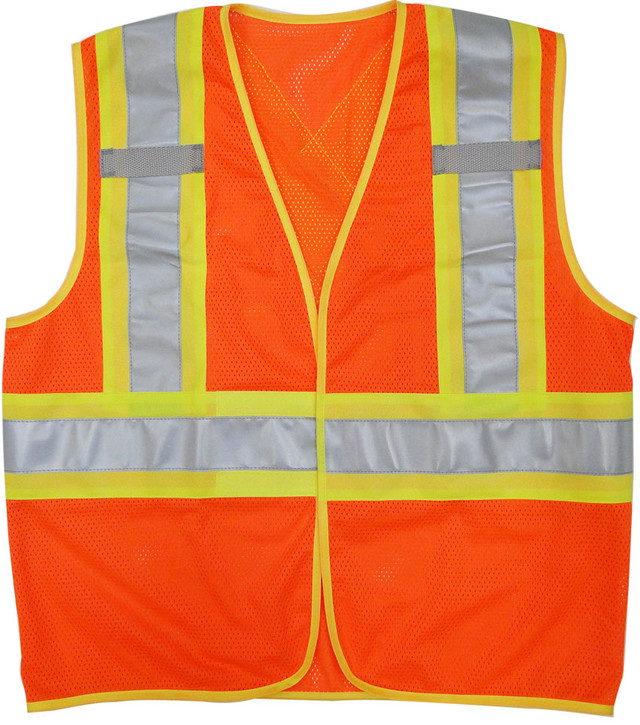
Protective gear plays a crucial role in safeguarding workers during fire incidents. Equipment like gloves, helmets, and Fire Retardant Vests helps reduce injury risks and provides essential protection in high-temperature environments.
Emergency Exit Planning and Evacuation Systems
Clearly marked exits, evacuation routes, and emergency lighting ensure safe and efficient evacuation during fire incidents. Regular drills help employees understand procedures, reducing panic and improving response times.
Fire-Resistant Infrastructure and Materials
Using fire-resistant materials in construction can significantly slow down the spread of fire. This provides valuable time for evacuation and emergency response, reducing overall damage and enhancing safety.
Leveraging Technology for Advanced Fire Safety
Smart Fire Detection Systems with IoT Integration
Modern fire detection systems use IoT technology to monitor environments continuously. These systems provide real-time alerts and remote monitoring capabilities, allowing businesses to respond quickly and efficiently to potential threats.
AI-Driven Risk Prediction and Monitoring
Artificial intelligence can analyze data patterns to predict potential fire risks. By identifying anomalies in temperature or equipment behavior, AI systems enable preventive action before incidents occur.
Integration with Building Management Systems
Fire protection systems can be integrated with building management platforms for centralized control. This allows seamless coordination between alarms, ventilation, and emergency systems, improving overall efficiency and safety.
Remote Monitoring and Control Capabilities
Cloud-based monitoring enables facility managers to oversee fire safety systems from anywhere. This ensures continuous vigilance and quick response, even when personnel are not physically present on-site.
Automation in Emergency Response Systems
Automated systems can trigger alarms, activate sprinklers, and shut down equipment instantly during fire incidents. This reduces human error and ensures faster response, minimizing damage and risk.
Data Analytics for Continuous Safety Improvement
Analyzing data from fire safety systems helps identify trends and areas for improvement. Businesses can use these insights to enhance safety strategies and ensure long-term protection against fire risks.
Choosing the Right Fire Protection Partner for Your Business
Evaluating Industry Expertise and Experience
Selecting a provider with proven expertise ensures reliable and effective solutions. Experienced partners understand industry-specific challenges and can recommend tailored fire protection systems that meet your operational needs.
Customizing Solutions for Specific Requirements
Every business has unique safety requirements. A good provider offers customized solutions based on your infrastructure, industry, and risk profile, ensuring optimal protection and efficiency.
Ensuring Compliance and Certification Support
A reliable partner helps businesses meet regulatory standards and obtain necessary certifications. This simplifies compliance processes and ensures that all safety measures are aligned with industry requirements.
Cost vs Value in Fire Protection Investments
While cost is a factor, focusing on long-term value is essential. High-quality systems may require higher initial investment but deliver better durability, reliability, and protection, reducing overall expenses in the long run.
Training and Post-Implementation Support
Ongoing support and training are critical for maintaining system effectiveness. Providers should offer regular maintenance, updates, and employee training to ensure optimal performance of fire protection systems.
Building a Long-Term Safety Strategy
Fire protection is not a one-time investment. Businesses must adopt a long-term strategy that includes regular upgrades, audits, and continuous improvement to ensure sustained safety and operational resilience.
Final Thoughts
Effective fire protection is a combination of technology, planning, and culture. By investing in advanced systems and partnering with the right experts, businesses can safeguard their assets, protect their workforce, and ensure uninterrupted operations in an increasingly risk-prone environment.
Related Posts

Professional Embroidery Digitizing Services in USA for Perfect Logo Stitching
Your logo is the face of your brand. It appears on employee uniforms, client gifts, trade show giveaways, and products that represent your company to the world. When someone sees that logo embroidered on a cap or jacket, they form an impression of your business. A crisp, clean, professional embroidery says you care about quality. A blurry, puckered, misaligned
Best Gas Cylinder Accessories to Improve Safety and Efficiency
Gas cylinders are an essential part of both residential and commercial applications. Whether for cooking, heating, or industrial purposes, the safe and efficient use of gas cylinders is critical. Many accidents and inefficiencies arise not from the cylinders themselves but from improper handling and the absence of necessary accessories. The right gas cylinder a

KIA EV3 2026 Why This Compact EV Deserves Attention
The electric vehicle market continues to grow rapidly in 2026, with more options than ever for city drivers and first-time EV buyers. Among these, the KIA EV3 2026 is emerging as a compact electric SUV that has captured attention for its design, technology, and practicality. While larger electric vehicles often dominate the headlines, the EV3 proves that a smal

Industrial Flooring Upgrades with Durable Resin Coatings
Most homeowners spend a lot of time thinking about walls, countertops, and furniture. The floor? It usually gets whatever’s cheapest or easiest. And then five years later, it’s cracked, stained, or peeling and the whole process starts over. There’s a better way. Resin coatings have quietly become one of the smartest flooring upgrades available
Leave a Reply