

Dr. Eddy Luh: Background, Training, and Approach to Vascular Care
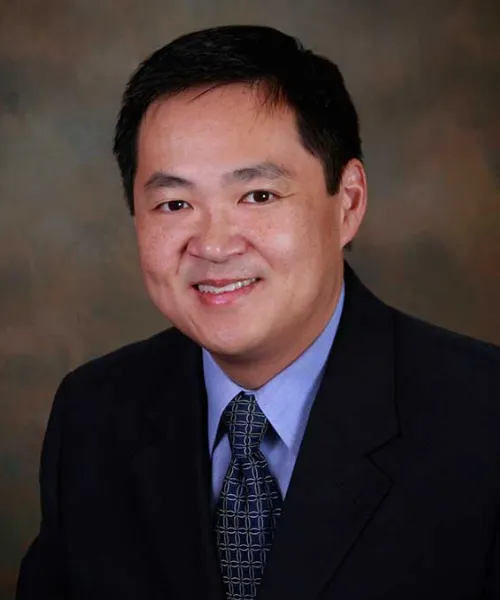
Choosing a vascular surgeon is a significant decision. The specialist you select will guide diagnosis, help you understand treatment options, and in many cases perform procedures that directly affect long-term health and quality of life. Dr. Eddy Luh is a vascular surgeon whose training, certifications, and clinical focus position him to handle the full range of vascular conditions affecting patients in the Las Vegas area. Understanding his background, approach to patient care, and the specific conditions he treats helps patients evaluate whether his practice is the right fit for their vascular health needs.
Professional Background and Credentials
Vascular surgery requires extensive training beyond basic medical education, including general surgical residency followed by specialized vascular surgery fellowship. Board certifications and ongoing professional development reflect commitment to the field.
Key Credentials to Look For in a Vascular Surgeon
- Medical degree from an accredited US medical school or equivalent.
- Completion of accredited general surgery residency training.
- Fellowship training specifically in vascular surgery.
- Board certification in vascular surgery (confirming the FSVS designation).
- Additional certification such as RPVI for vascular ultrasound interpretation.
- FACS designation indicating Fellow of the American College of Surgeons.
- Hospital privileges at reputable regional facilities.
- Participation in ongoing continuing medical education.
The Significance of Dual Certification
FSVS—Fellow of the Society for Vascular Surgery
The FSVS designation indicates recognition by the Society for Vascular Surgery, reflecting active participation in the vascular surgical community and commitment to the standards of the specialty.
RPVI—Registered Physician in Vascular Interpretation
The RPVI certification demonstrates expertise in interpreting non-invasive vascular studies such as ultrasounds. This skill is especially valuable because it allows the surgeon to directly review imaging that informs diagnostic and treatment decisions.
FACS—Fellow of the American College of Surgeons
FACS designation indicates peer-recognized surgical competence and commitment to ethical practice. It is one of the most broadly respected surgical credentials in the United States.
Combined Expertise
Dual certifications in surgery and imaging interpretation are less common than single credentials alone. Surgeons who hold both typically have a more integrated understanding of vascular disease than those who rely on others to interpret imaging studies.
Conditions Commonly Treated
Vascular surgeons with comprehensive training handle the full range of vascular conditions including peripheral arterial disease, carotid artery disease affecting stroke risk, abdominal and peripheral aneurysms, varicose veins and chronic venous insufficiency, deep vein thrombosis and its chronic consequences, dialysis access creation and maintenance, diabetic foot complications with vascular components, and acute limb ischemia requiring urgent intervention. The breadth of training allows a single specialist to serve as the primary vascular consultant for most patients.
Approach to Patient Care
Beyond technical credentials, the best vascular care reflects a philosophy that prioritizes the patient experience alongside clinical outcomes.
What Quality Vascular Care Looks Like
- Thorough initial evaluation including full history and physical.
- Clear explanation of diagnosis and treatment options in plain language.
- Consideration of medical management before invasive intervention when appropriate.
- Minimally invasive techniques whenever clinically suitable.
- Follow-up care that monitors progress and addresses complications.
- Coordination with primary care, cardiology, and other specialists.
- Respect for patient preferences and quality-of-life priorities.
What to Expect at the First Appointment
A first vascular consultation typically takes 45 to 60 minutes. The visit begins with a thorough discussion of medical history, risk factors, current symptoms, and prior testing. A focused physical exam evaluates pulses, skin changes, and any visible vascular abnormalities. Many practices perform non-invasive testing during the same visit, such as ankle-brachial index measurements or vascular ultrasound. The surgeon then reviews findings, explains the diagnosis, outlines treatment options, and answers questions. Patients should feel unhurried and informed by the end of the appointment.
Minimally Invasive Techniques in Modern Vascular Care
Modern vascular surgery relies heavily on minimally invasive endovascular techniques—angioplasty, stenting, thrombolysis, and related procedures performed through small access points rather than large open incisions. These approaches shorten recovery, reduce pain, and allow faster return to normal activities. A well-trained modern vascular surgeon is proficient in both minimally invasive and traditional open techniques, choosing the right approach for each patient’s specific situation rather than defaulting to one method regardless of circumstances.
Preparing for Your Visit
A few steps help patients get the most from their appointment. Bring a complete list of current medications including dosages. Gather any prior imaging studies, operative reports, or testing results from other providers. Write down specific symptoms along with when they started and what makes them better or worse. Prepare questions in advance so you do not forget important concerns during the visit. Bring a trusted family member or friend if helpful for remembering details and supporting decision-making after the appointment.
Finding the Right Fit
Finding a vascular surgeon whose training, experience, and approach match your needs produces better outcomes and a less stressful care experience overall. Credentials like FSVS, RPVI, and FACS indicate the depth of training and commitment to ongoing excellence that complex vascular care requires. For Las Vegas area patients researching vascular surgeons and considering the team at Vegas Vascular Specialists, evaluating providers like Dr. Luh whose comprehensive training covers both surgical and imaging expertise ensures access to the integrated, modern vascular care that produces the best long-term outcomes.
Related Posts
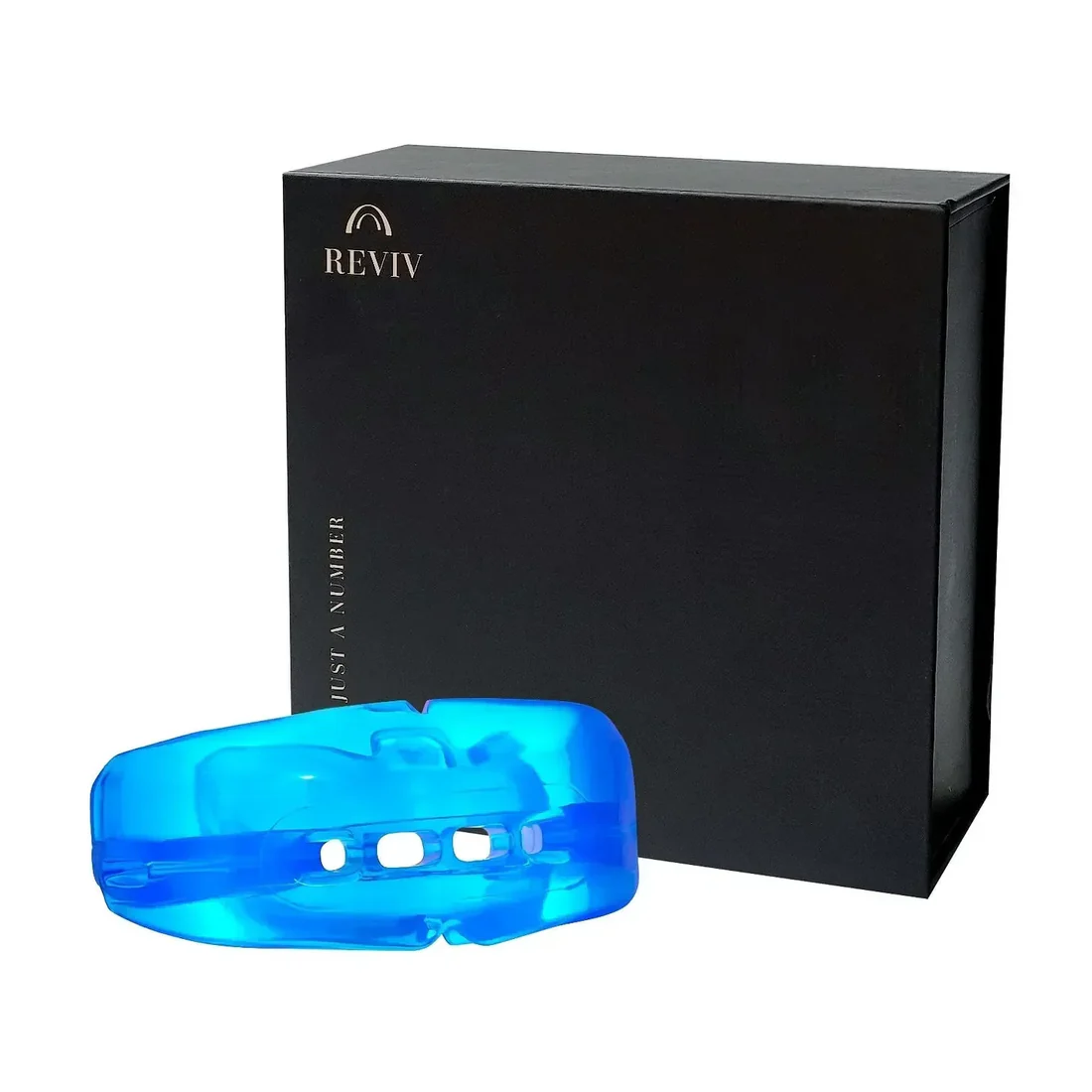
Reviv Mouth Guard Discount Official Website.
In today’s fast-paced world, maintaining proper jaw alignment and oral health has become more important than ever. Many individuals suffer from jaw tension, teeth grinding, and poor facial structure due to stress, lifestyle habits, and improper dental care. This is where the Reviv Mouth Guard comes in—a modern solution designed to support jaw positioning, e

Top Trends in Prefabricated House Technology for Faster Construction
The construction industry has experienced a major transformation over the past decade, with advanced technologies making building processes faster and more efficient. One of the most popular solutions that has gained attention across residential and commercial sectors is the Prefabricated house. These structures are manufactured using pre-designed components th

How CakePHP Improves Developer Productivity
Developer productivity plays a major role in the success of any web development project. When developers complete tasks efficiently, projects move faster, costs remain under control, and overall quality improves. Frameworks like CakePHP are designed to simplify development processes and reduce repetitive work, making it easier for teams to stay productive. Many
Kraft Jewelry Boxes: Eco-Friendly Elegance for Precious Items
Kraft jewelry boxes are a perfect blend of simplicity, sustainability, and style. Designed to store and present jewelry items such as rings, necklaces, earrings, and bracelets, these boxes are widely محبوب among brands that value eco-friendly packaging without compromising on aesthetics. Their natural look and sturdy construction make them a preferred choi
Leave a Reply