

Composting in a Studio Apartment: What 400 Square Feet Teaches You About Noise, Smell, and Habit
Studio apartments demand honesty from every appliance. There’s no door to close, no spare room to absorb sound, no garage to banish something that smells. If a kitchen gadget is noisy, the whole apartment hears it. If it produces odor, there’s nowhere for it to go. Everything earns its counter space or gets donated.
This is the environment where an automatic composter either proves itself or fails. Here’s what composting actually looks like when the kitchen, living room, and bedroom share 400 square feet.
Noise: The Concern That Fades Fastest
In a studio, every sound is audible from every corner. A composter rated at 42 to 45 dB sits somewhere between a refrigerator hum and light rainfall. During the heating and drying phase, which accounts for most of the cycle, the machine produces a low, steady hum that blends into the background within minutes.
The grinding phase is louder. The motor engages in short bursts to break down softened scraps, and those bursts are noticeable in a quiet room. But they’re intermittent, not continuous, and they typically occur mid-cycle rather than at the start or end. Most studio composters learn quickly to start cycles during the day or early evening, when ambient noise from neighbors, street traffic, or a running television masks the grinding entirely.
For anyone who works from home in a studio, the automatic composter is quieter than a dishwasher and less intrusive than a washing machine. After the first week, most users report that they forget the machine is running until the app sends a completion notification.
Smell: The Dealbreaker That Doesn’t Break the Deal
Odor is the number one reason studio dwellers hesitate to compost indoors. In a space with no separation between the kitchen and sleeping area, even a faint smell would be unacceptable.
Modern electric composters handle this with sealed processing chambers and activated carbon filters that neutralize volatile compounds during the cycle. In practice, the unit produces no detectable odor during operation. The only moment smell becomes a factor is when the lid opens to load scraps or empty the output, and even then, the scent is mild and earthy, more like soil than garbage.
The filter is the key. In a studio, replacing the carbon filter on schedule is non-negotiable. In a house with a closed kitchen, a slightly overdue filter might go unnoticed. In 400 square feet, it won’t. Setting a recurring reminder for every 90 days keeps the system odor-free without requiring any guesswork.
Counter Space: Earning a Permanent Spot
Studio kitchens are small. Counter space is currency. A composter has to justify every square inch it occupies, and it’s competing with a coffee maker, a toaster, and whatever else has already claimed a spot.
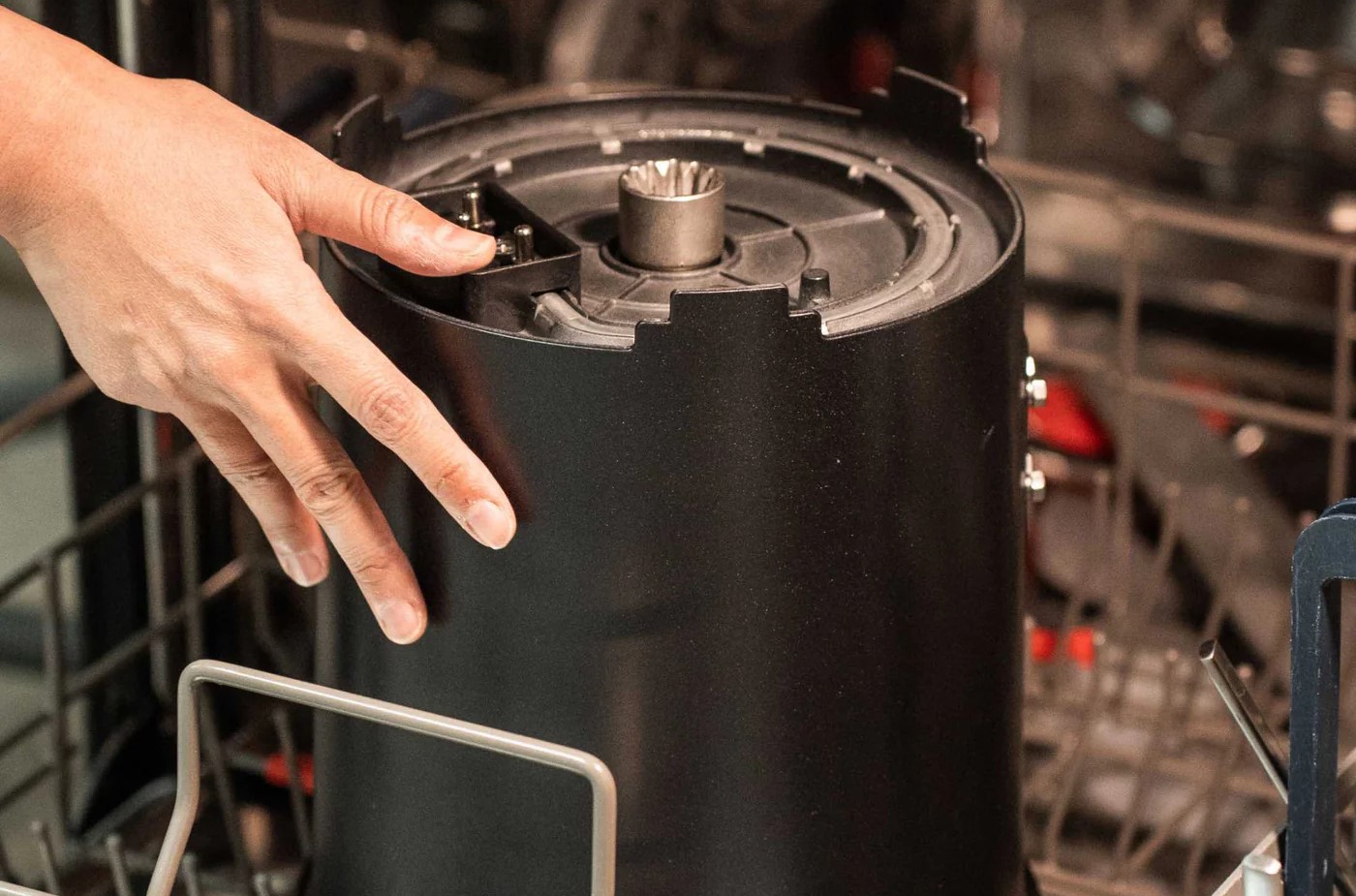
Most indoor composter units measure roughly 14 by 11 inches at the base, comparable to a large rice cooker. For kitchens with limited counter depth, placing the unit on a small rolling cart or a shelf beside the counter works equally well. The machine doesn’t need to be next to the sink or the stove. It just needs a power outlet and enough clearance to open the lid.
What earns the composter its permanent spot is daily utility. Unlike a bread maker or a juicer that comes out once a week, the composter runs every day. It handles the scraps from every meal. In a studio where the trash can fills up fast, and the garbage bag sits uncomfortably close to the bed, diverting food waste into the composter reduces trash volume by a noticeable margin. The bag fills slower. It smells less. And trash day becomes less urgent.
The Verdict From 400 Square Feet
Composting in a studio works. It’s quieter than expected, odor-free with basic filter maintenance, and takes up less space than a coffee maker. The learning curve is about a week, after which the routine becomes invisible. Scraps go in after cooking. The machine runs while the apartment goes about its evening. The output gets used on houseplants or stored in a jar under the sink.
The constraint of a small space doesn’t limit what an indoor composter can do. It clarifies it. Everything is visible, everything is accountable, and the composter either works in that environment or it doesn’t. For studio dwellers willing to give it a week, it works.
Related Posts
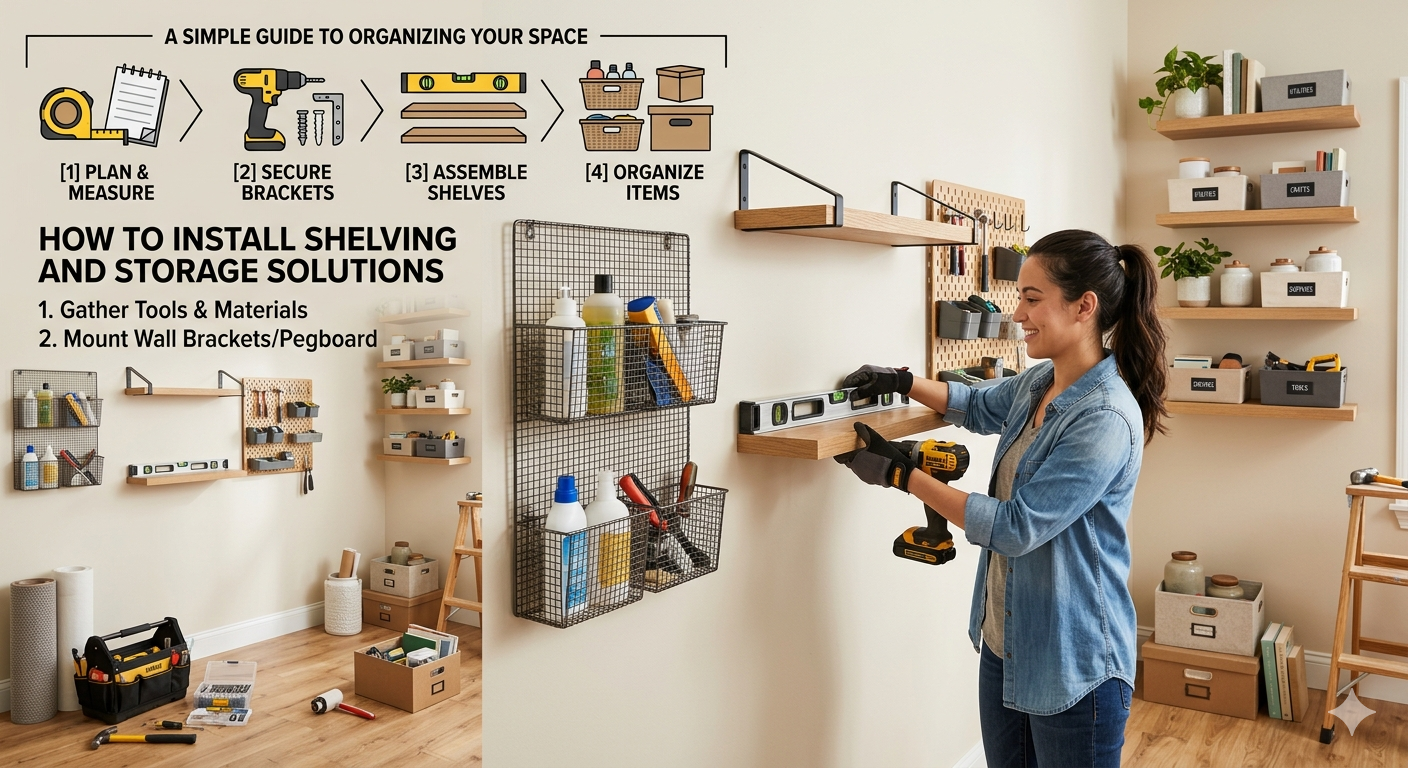
How to Install Shelving and Storage Solutions: A Simple Guide to Organizing Your Space
If you’re struggling with clutter or simply looking to maximize space in your home, installing shelves and storage solutions can be a game changer. Not only do they provide a practical way to keep your belongings organized, but they can also enhance the overall look of your rooms. Whether you’re adding shelves to a small apartment or organizing a garage

Chrome Hearts jeans online search trends in recent months
Special demand of Chrome Hearts jeans online has risen in the past few months. The number of people seeking unique, high-quality denim that is luxurious and comfortable is on the increase. A lot of fashion lovers would like to shop online these jeans since they get the latest styles no matter where they are in the globe. Chrome Hearts jeans are characterized by

3 Mistakes to Avoid When Renting a Dubai Warehouse
Looking for a warehouse for your Dubai business? Avoid these 3 costly mistakes regarding location, hidden fees, and scalability to protect your bottom line.

Dry Van Loads in Modern Freight Networks: How the Backbone of US Trucking Operates
Dry van loads remain one of the most widely used freight types in the United States, forming a core part of domestic supply chains. These enclosed trailer shipments are responsible for moving a large share of retail goods, packaged products, and non-perishable items across states and distribution hubs. For carriers, brokers, and logistics planners, understandin
Leave a Reply