

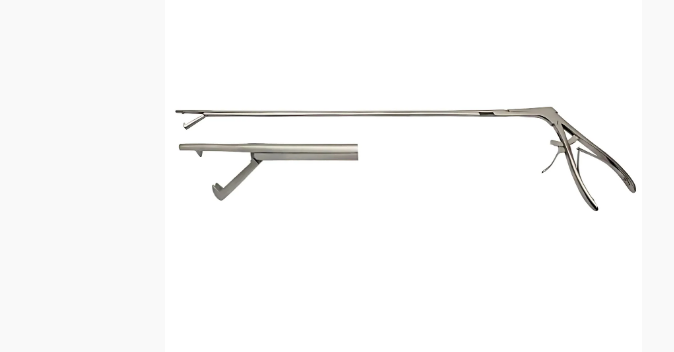
A Guide to Essential Farrier Tools and Their Impact
The equestrian world is built on a singular, undeniable truth: “No hoof, no horse.” While we spend thousands on high-quality saddles, specialized feeds, and top-tier supplements, the most critical factor in a horse’s performance remains the four inches of horn beneath their legs.
Maintaining this foundation isn’t just about “cutting nails.” It is a delicate balance of biomechanics and craftsmanship. To achieve this, a farrier relies on a specialized arsenal of farrier tools. For the modern horse owner or aspiring professional, understanding these instruments is the first step toward ensuring long-term equine wellness.
1. The Architect’s Scalpel: The Hoof Knife
Every great farrier session begins with a clean slate. The Hoof Knife is the primary tool used to prepare the hoof for trimming.
Why It’s Vital
A hoof knife features a sharp, curved blade with a “hook” at the tip. Its purpose is to pare away the dead, flaky sole and trim the frog—the rubbery, V-shaped structure that acts as the horse’s shock absorber.
- Precision: Unlike a standard knife, the hoof knife allows the farrier to follow the natural concavity of the sole.
- Health Diagnostics: By clearing away debris, the farrier can spot “bruised soles,” hidden pockets of infection (thrush), or foreign objects like stones or nails.
2. The Powerhouse: Professional Hoof Nippers
If the knife is the scalpel, the Hoof Nippers are the heavy-duty shears. These are arguably the most recognizable tools in a farrier’s kit.
The Role in Trimming
Nippers are used to remove the excess growth of the hoof wall. A horse’s hoof grows similarly to a human fingernail, and without regular nipping, the wall becomes too long, causing the horse to “trip” or putting undue strain on the tendons.
- The Mark of Quality: High-quality nippers must have perfectly aligned blades. A clean, effortless cut prevents the hoof wall from shattering or cracking during the trim.
- Leverage: Modern nippers are designed with specific handle lengths to provide maximum leverage, allowing the farrier to cut through even the hardest, driest hooves with surgical accuracy.
3. The Great Equalizer: The Hoof Rasp
Once the bulk of the hoof is removed, the farrier must ensure the foot is perfectly level. This is where the Hoof Rasp comes into play.
Balancing the Gait
The rasp is a massive, double-sided file. One side (the coarse teeth) is for aggressive removal of material, while the other (the fine side) is for smoothing and finishing.
- Medial-Lateral Balance: By using the rasp, a farrier ensures that the inside and outside of the hoof are at the same height. If one side is higher, it can lead to joint issues like ringbone or hock pain.
- The Mustang Roll: Farriers use the rasp to round the edges of the hoof wall. This prevents chipping and allows the horse to “break over” (lift their foot) more easily during movement.
4. The Diagnostic Essential: Hoof Testers
Not all farrier tools are meant for cutting. Some are meant for listening. Hoof Testers are large, blunt pincers used to apply localized pressure to specific areas of the hoof.
Solving the Mystery of Lameness
When a horse is “off” but there are no visible injuries, the hoof tester is the hero.
- Locating Abscesses: By squeezing the sole at different intervals, the farrier can identify exactly where a horse feels pain.
- Evaluating Thin Soles: These tools help determine if a horse needs shoes or pads for protection if their natural sole is too sensitive to the ground.
5. The Blacksmith’s Fire: Tools for Shoeing
When a horse requires more than a simple trim, the toolkit expands into the realm of metallurgy. For performance horses or those with orthopedic needs, horseshoes are a necessity.
The Driving Hammer
This is not your average hardware store hammer. It is perfectly balanced to drive nails through the “white line” (the insensitive part of the hoof wall). It features a claw designed to instantly wring off the sharp tips of the nails as they exit the hoof, ensuring the horse doesn’t accidentally scratch itself or the farrier.
Clinchers
Once the shoe is on and the nails are driven, the Clincher is used. This tool folds the remaining bit of the nail down flat against the hoof wall. This “clinch” acts like a rivet, locking the shoe onto the foot so it doesn’t move during high-intensity work like jumping or reining.
6. The Ergonomic Helper: The Hoof Stand
While it’s technically a piece of equipment rather than a hand tool, the Hoof Stand has revolutionized the industry.
- Safety First: By supporting the horse’s weight, the stand allows the farrier to use both hands on the rasp or nippers.
- Horse Comfort: It allows the horse to rest its leg in a natural position, which is especially important for older horses with arthritis or stiffness.
7. Quality Matters: Why Cheap Tools are Dangerous
For the DIY horse owner, the temptation to buy a cheap “all-in-one” kit is strong. However, in the world of farrier tools, quality is directly linked to safety.
| Feature | Professional Grade | Economy Grade |
| Metal Type | High-Carbon Steel | Stainless Steel or Alloy |
| Sharpness | Stays sharp for months | Dulls after 2-3 uses |
| Precision | Blades meet perfectly | May have gaps or “play” |
| Impact | Clean cuts, healthy hooves | Ragged cuts, potential cracking |
8. Maintenance: Caring for Your Investment
Even the best tools will fail if not cared for. A farrier’s reputation is often reflected in the cleanliness of their tools.
- Keep it Dry: Steel tools rust easily. Always wipe them down and store them in a dry “tool roll” or box.
- Oil the Joints: Tools like nippers and clinchers should be oiled regularly to maintain a smooth “one-handed” action.
- Sharpening: A dull hoof knife is a dangerous hoof knife. Regular honing with a diamond sharpener is mandatory.
Conclusion: A Partnership of Skill and Steel
Ultimately, farrier tools are the bridge between a farrier’s knowledge and a horse’s health. From the initial slice of the hoof knife to the final smoothing of the rasp, each step is designed to mimic and support the natural function of the horse’s anatomy.
By understanding these tools, horse owners can better appreciate the complexity of a farrier’s job. Whether you are prepping an emergency kit for your stable or looking to hire a new professional, remember that the right tools in the right hands are the secret to a sound, happy horse.
Related Posts

Custom Printed Holographic Mylar Bags for Brands
Custom holographic mylar bags are now a necessity for brands that want to blend functionality and spectacular design. These bags do not just provide excellent product protection but also provide a high-quality unboxing experience that makes an impression. The custom holographic mylar bags will be a flexible, functional solution where businesses that want

Best Affordable Homes for Sale for Value-Conscious Buyers
Buying a home is one of the most significant investments anyone can make. For those looking for cost-effective options, affordable houses for sale in Duluth GA provide excellent opportunities to own a home without stretching your budget. Whether you are a first-time buyer or searching for an investment property, these homes offer value, comfort, and potential g

Cage Van Hire London and Pre-Trip Inspection Preparatio
This is where Cage Van Hire London becomes a practical solution. Cage vans are designed to carry loads securely while allowing easy loading and unloading

Real cotton fabric feels great on your skin
Cotton remains the truly most popular natural fibre for modern attire. This honestly multi-purpose fabric offers incredible comfort for people of all ages. Pure cotton allows your skin to breathe during hot summer days. you’ll notice a significant difference when wearing high-standard cotton shirts. Genuine cotton feels soft. light against your sensitive
Leave a Reply