

How to Prove Your Source of Funds for a UAE Bank Account?
Opening a bank account in the United Arab Emirates requires careful preparation and attention to detail. Financial institutions in the UAE maintain strict regulatory standards to ensure the security and integrity of the local economy. One of the most critical steps in this process involves verifying exactly where your money comes from.
Banks need to know the origin of your deposits to comply with Anti-Money Laundering (AML) laws and local Know Your Customer (KYC) requirements. Providing clear, undeniable evidence of your income protects both you and the banking system. It also ensures your account remains active without unexpected freezes, audits, or delays down the line.
Understanding exactly what documents you need can save you weeks of frustration. This guide breaks down the steps to prove your financial background so you can successfully set up your personal or corporate bank account in the UAE.
Understanding Source of Funds in the UAE
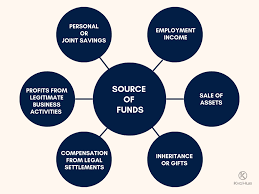
The UAE Central Bank mandates that all local and international banks verify the legitimacy of customer funds. This policy applies to residents, non-residents, and business owners alike. When you apply for an account, the bank will ask for documentation that clearly shows how you acquired your wealth. They want to see a logical paper trail connecting your employment, business operations, or investments to the money you plan to deposit.
Working with a professional business development consultant can help you navigate these strict compliance rules. They know exactly what compliance officers look for and can guide you in preparing the right paperwork from day one. By understanding UAE banking regulations early on, you can avoid common pitfalls that lead to application rejections.
Common Documents to Prove Your Income
Different financial backgrounds require different types of proof. The bank will request specific paperwork based on how you earn your living.
Salaried employees typically need to provide recent payslips, an employment contract, and a salary certificate from their employer. If you own a business, the requirements become much more detailed. You will likely need to show audited financial statements, valid trade licenses, invoices, and corporate bank statements from the past six months. Real estate investors, on the other hand, must present property deeds, rental agreements, and proof of sale transactions.
Because corporate requirements can be highly complex, many entrepreneurs reach out to the Best banking consultation companies in Dubai to simplify the process. These firms help you organize your financial history, ensuring that your proof of income and source of wealth align perfectly with the bank’s expectations.
Helpful Tips for a Smooth Bank Account Opening
Gathering your documents is only the first step. Presenting them correctly will heavily influence the bank’s decision. Follow these helpful tips to improve your chances of a fast approval:
- Keep documents updated: Ensure all your passports, visas, Emirates ID cards, and trade licenses are valid for at least another six months. Expired documents will result in an immediate pause on your application.
- Translate foreign documents: If your financial records are not in English or Arabic, you must have them translated by a certified legal translator. The bank will not accept documents in other languages.
- Be completely transparent: Always provide honest and consistent information regarding your expected account turnover, business activities, and international transfers.
- Organize your paperwork: Present your documents clearly and logically. Messy or incomplete applications often face instant rejection by busy compliance teams.
- Prepare a business plan: If you are opening a corporate bank account in the UAE, providing a short business plan that outlines your target market, suppliers, and expected revenue can build trust with the bank.
Frequently Asked Questions (FAQs)
What is the difference between source of funds and source of wealth?
Source of funds refers to the origin of the specific money being deposited into the account right now, such as a recent salary payment or the sale of a car. Source of wealth describes how you accumulated your total net worth over your entire lifetime, such as years of business ownership or long-term investments.
Can I use cryptocurrency profits as a source of funds?
UAE banks are gradually opening up to digital assets, but strict rules still apply. You will need clear trading logs, withdrawal receipts, and statements from regulated exchanges to prove the legitimacy of your crypto earnings.
Do non-residents face stricter requirements?
Yes. Non-residents usually need to provide additional documents to satisfy KYC requirements. This often includes six months of personal bank statements from their home country, a detailed resume, and sometimes a reference letter from their existing bank.
Final Words
Securing a bank account in the UAE is a straightforward process when you know exactly what is expected of you. By gathering the right documents and presenting a clear, honest financial history, you can meet the bank’s regulatory demands with ease. Take the time to prepare your proof of funds properly, and you will set yourself up for long-term financial success in the region.
Related Posts

Comprehensive Guide to Affordable Moving Services for Homes and Businesses
Affordable Moving Services in Wilmington IL provide essential support for homeowners and businesses undergoing relocation. Moving is a complex process that involves careful planning, organization, and execution. Without professional assistance, the risk of damage to belongings, missed deadlines, and unnecessary stress increases significantly. Affordable Moving

Top-Quality Roof Restoration Services for Extended Roof Life
A sturdy roof is essential to protect your home from weather damage and maintain its value. Professional affordable roof restoration company services provide cost-effective solutions to repair, restore, and maintain your roof while extending its lifespan. For homeowners in New York, Affordable Roof Restoration NYC offers expert restoration services, combining q

Best Merchant Cash Advance for UK Small Businesses
If you’re searching for the best merchant cash advance, you’re probably looking for a fast, flexible way to improve cash flow without the long approval process of traditional banks. For many business owners, especially in retail, hospitality, and services, this type of funding has become a practical solution when timing matters most. Quick Business Funds sp

How the Golden Visa Simplifies Hiring for Your Business?
Struggling to hire foreign talent? Learn how long-term residency and the right business setup can streamline recruitment and boost employee retention.
Leave a Reply