

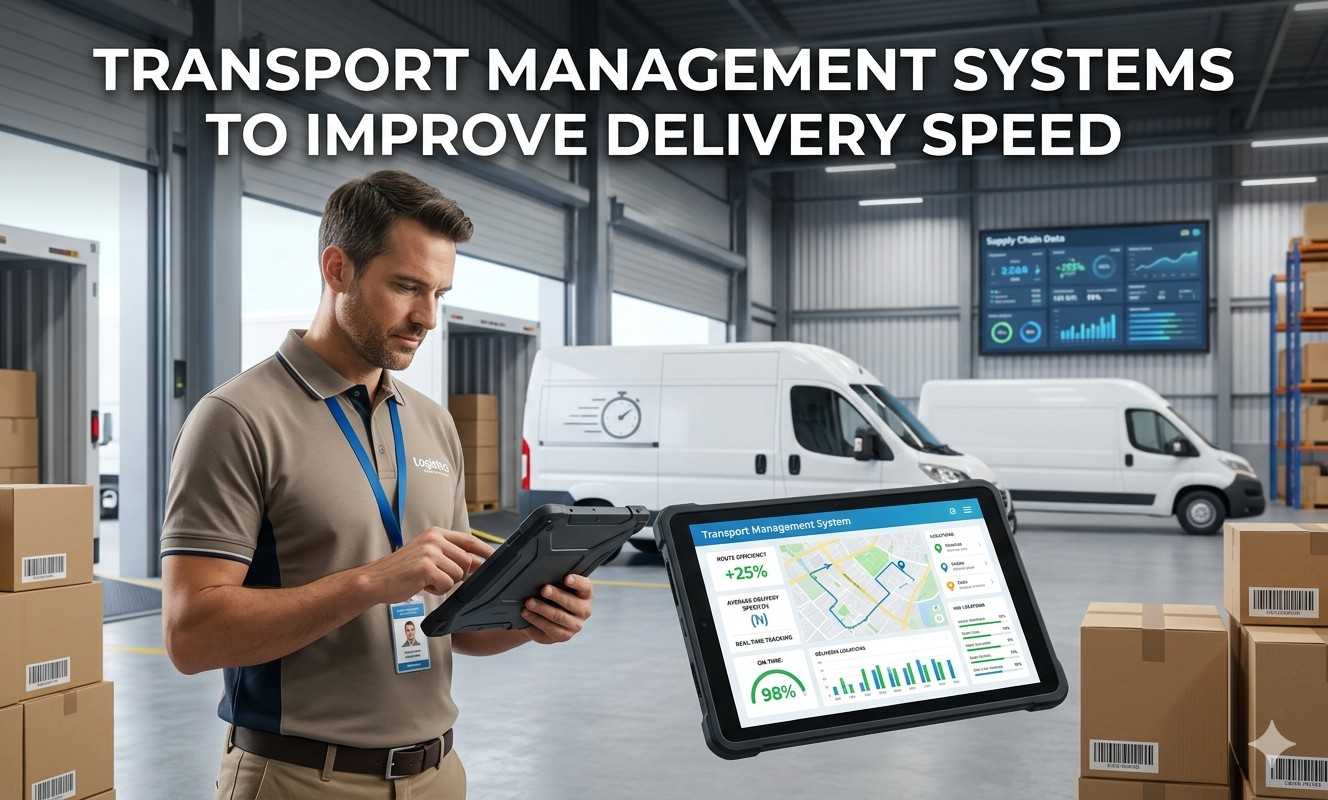
Transport Management Systems to Improve Delivery Speed
In today’s fast-paced digital economy, delivery speed has become a defining factor for business success. Customers expect quick, accurate, and reliable deliveries, whether they are ordering groceries, electronics, or industrial supplies. To meet these expectations, businesses are increasingly turning to Transport Management Systems (TMS) as a powerful solution.
A well-implemented TMS not only enhances delivery speed but also improves operational efficiency, reduces costs, and strengthens customer satisfaction. This article explores how transport management systems help businesses accelerate deliveries while maintaining high standards of service.
What is a Transport Management System?
A Transport Management System (TMS) is a digital platform designed to manage, plan, and optimize the movement of goods. It acts as the backbone of logistics operations, enabling businesses to coordinate shipments, track vehicles, and analyze performance data.
Key Functions of a TMS
- Route planning and optimization
- Real-time tracking of shipments
- Freight cost management
- Carrier selection and management
- Performance analytics and reporting
By automating these processes, companies can significantly reduce delays and improve delivery timelines.
Why Delivery Speed Matters More Than Ever
In a competitive marketplace, delivery speed directly impacts customer loyalty and brand reputation. Faster deliveries can:
- Increase customer satisfaction and retention
- Reduce order cancellations
- Improve inventory turnover
- Provide a competitive edge
Businesses that fail to meet delivery expectations risk losing customers to more efficient competitors.
How Transport Management Systems Improve Delivery Speed
1. Intelligent Route Optimization
One of the biggest advantages of a TMS is its ability to calculate the most efficient routes. Instead of relying on manual planning, the system uses algorithms to determine optimal paths based on:
- Traffic conditions
- Distance and fuel efficiency
- Delivery time windows
- Road restrictions
This ensures drivers take the fastest and most cost-effective routes, minimizing delays.
2. Real-Time Tracking and Visibility
A TMS provides real-time updates on shipment locations. This visibility allows businesses to:
- Monitor deliveries as they happen
- Identify delays instantly
- Communicate accurate delivery times to customers
With real-time tracking, companies can quickly respond to unexpected issues, such as traffic jams or weather disruptions.
3. Automation of Manual Processes
Manual logistics operations often lead to errors and inefficiencies. A TMS automates key tasks such as:
- Order processing
- Shipment scheduling
- Documentation handling
Automation reduces human error and speeds up workflows, resulting in faster dispatch and delivery times.
4. Better Fleet Management
Efficient fleet utilization is essential for timely deliveries. A TMS helps businesses manage their fleets by:
- Monitoring vehicle performance
- Scheduling maintenance
- Tracking fuel consumption
Companies like Transit Fleet Ltd use advanced systems to ensure their vehicles are always operating at peak efficiency, reducing downtime and improving delivery speed.
5. Data-Driven Decision Making
A TMS collects valuable data that helps businesses make informed decisions. Insights include:
- Delivery performance metrics
- Driver efficiency
- Route effectiveness
By analyzing this data, companies can continuously refine their logistics strategies to achieve faster deliveries.
The Role of Transport Management Services
Many businesses choose to partner with professional transport management services to fully leverage the benefits of a TMS. These services provide expertise, technology, and support to optimize logistics operations.
Benefits of Transport Management Services
- Access to advanced logistics technology
- Expert guidance on route optimization
- Improved compliance with regulations
- Scalability for growing businesses
By outsourcing logistics management, companies can focus on core operations while ensuring efficient and timely deliveries.
Key Features to Look for in a TMS
When selecting a transport management system, it’s important to choose one that aligns with your business needs.
Essential Features
- Real-time tracking: Provides live updates on shipments
- Route optimization tools: Ensures efficient delivery paths
- Integration capabilities: Connects with existing systems like ERP and CRM
- Analytics dashboard: Offers insights into performance metrics
- Mobile accessibility: Enables drivers to access information on the go
A robust TMS with these features can significantly enhance delivery speed and overall logistics performance.
Challenges in Transport Management and How TMS Solves Them
Common Challenges
- Traffic congestion and unpredictable delays
- Inefficient route planning
- Lack of real-time visibility
- High operational costs
- Poor communication between teams
TMS Solutions
- Dynamic route adjustments based on real-time data
- Centralized communication platforms
- Automated alerts and notifications
- Cost optimization through better resource utilization
By addressing these challenges, a TMS ensures smoother and faster delivery processes.
Impact on Customer Experience
Fast and reliable deliveries play a crucial role in shaping customer perceptions. A TMS enhances the customer experience by:
- Providing accurate delivery estimates
- Offering real-time tracking links
- Reducing delays and errors
Satisfied customers are more likely to return and recommend the business to others, driving long-term growth.
Future Trends in Transport Management Systems
The logistics industry is continuously evolving, and TMS technology is advancing rapidly.
Emerging Trends
- Artificial Intelligence (AI): Predictive analytics for smarter decision-making
- Internet of Things (IoT): Enhanced tracking through connected devices
- Blockchain: Improved transparency and security in transactions
- Autonomous Vehicles: Potential for faster and more efficient deliveries
Businesses that adopt these innovations will be better positioned to meet future delivery demands.
Best Practices for Implementing a TMS
To maximize the benefits of a transport management system, businesses should follow these best practices:
Implementation Tips
- Clearly define logistics goals and objectives
- Train staff to use the system effectively
- Integrate the TMS with existing software
- Regularly monitor and analyze performance data
- Continuously update and optimize processes
A well-planned implementation ensures smooth adoption and long-term success.
Conclusion
Transport Management Systems have become essential tools for businesses aiming to improve delivery speed and efficiency. By leveraging advanced technologies such as route optimization, real-time tracking, and data analytics, companies can streamline their logistics operations and meet growing customer expectations.
Whether through in-house solutions or professional transport management services, adopting a TMS can transform the way businesses handle deliveries. Organizations like Transit Fleet Ltd demonstrate how effective transport management can lead to faster, more reliable logistics operations.
In a world where speed and reliability define success, investing in a robust transport management system is no longer optional—it is a necessity.
Related Posts
Transport Management Software to Reduce Costs & Improve Speed
In today’s fast-moving logistics landscape, businesses are under constant pressure to deliver goods faster while keeping operational costs under control. Whether you run a small delivery business or manage a large logistics company, balancing efficiency and cost can be challenging. This is where transport management software (TMS) plays a crucial role. Transp
Leave a Reply