

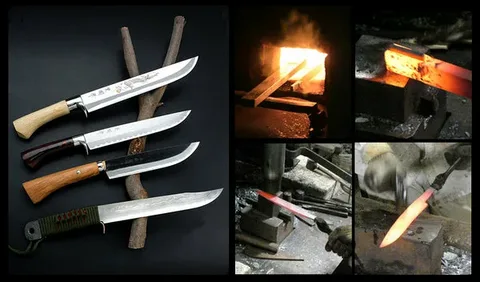
Japanese Knives Hunting Performance and Uses
Japanese knives are widely respected for their craftsmanship, sharpness, and precision. Traditionally associated with culinary excellence, these blades have gained attention beyond the kitchen—especially among outdoor enthusiasts and hunters. This raises an important question: are Japanese knives hunting good for hunting and outdoor use?
In this article, we explore the practicality, strengths, and limitations of Japanese knives in hunting scenarios. We will also compare them with traditional hunting knives, examine their features, and provide insights into whether they are a suitable choice for field use.
Understanding Japanese Knives
What Makes Japanese Knives Unique
japanese knives hunting are crafted using centuries-old techniques inspired by samurai sword-making traditions. These knives are known for their razor-sharp edges, lightweight design, and exceptional balance.
Unlike Western knives, Japanese blades are typically harder due to the use of high-carbon steel. This hardness allows them to maintain sharpness for longer periods, making them ideal for precision tasks.
Key Characteristics
- High Carbon Steel: Offers superior sharpness and edge retention
- Thin Blade Profile: Enables precise and clean cuts
- Lightweight Design: Reduces fatigue during extended use
- Sharp Edge Angle: Often sharper than Western knives
These features make Japanese knives exceptional tools—but do they translate well into hunting environments?
Can Japanese Knives Be Used for Hunting
Versatility in the Field
Japanese knives can be used for certain hunting tasks, particularly those that require precision. For example, they perform well in skinning, slicing meat, and detailed processing of game.
However, hunting involves more than just cutting meat. It often requires durability, toughness, and the ability to handle rough conditions. This is where Japanese knives may face limitations.
Suitable Hunting Tasks
Japanese knives are best suited for:
- Skinning small to medium game
- Precise meat slicing
- Field dressing with controlled cuts
Their sharpness allows hunters to make clean incisions, reducing damage to meat and hide.
Types of Japanese Knives and Their Hunting Potential
Gyuto Knife
The Gyuto is the Japanese equivalent of a chef’s knife. It is versatile and can handle various cutting tasks. While it can be used in hunting for slicing meat, it is not specifically designed for rugged outdoor use.
Deba Knife
The Deba is a heavier Japanese knife traditionally used for fish butchers. Its thicker spine makes it more durable compared to other Japanese knives.
For hunting, the Deba can handle small bone cutting and tougher tasks, making it one of the more suitable Japanese options.
Honesuki Knife
The Honesuki is designed for deboning poultry. Its triangular shape and sturdy construction make it effective for precise cuts around joints.
In hunting, it can be useful for breaking down small game.
Advantages of Using Japanese Knives for Hunting
Exceptional Sharpness
Japanese knives are incredibly sharp, often sharper than standard hunting knives. This sharpness allows for clean and efficient cuts, which is essential when processing game.
Precision Cutting
Hunters who prioritize accuracy will appreciate the fine control offered by Japanese blades. This is especially helpful when skinning animals without damaging the hide.
Lightweight and Easy Handling
The lightweight design makes these knives comfortable to use for extended periods, reducing hand fatigue.
Edge Retention
Thanks to high-quality steel, Japanese knives stay sharp longer, minimizing the need for frequent sharpening during trips.
Limitations of Japanese Knives in Hunting
Fragility
The hardness of Japanese steel can also be a drawback. These knives are more brittle and prone to chipping if used on bones or hard materials.
Not Designed for Heavy-Duty Tasks
Traditional hunting knives are built for rugged use, including cutting through bone, wood, and tough materials. Japanese knives are not intended for such heavy-duty applications.
Maintenance Requirements
Japanese knives require more care, including proper cleaning, drying, and sharpening. Exposure to moisture and rough handling can damage the blade.
Lack of Versatility in Survival Situations
In survival scenarios, hunters often need a multi-purpose tool. Japanese knives are specialized tools and may not perform well in tasks like prying, chopping, or digging.
Japanese Knives vs Traditional Hunting Knives
Blade Construction
- Japanese Knives: Thin, hard, and sharp
- Hunting Knives: Thick, tough, and durable
Purpose
- Japanese Knives: Precision cutting
- Hunting Knives: Multi-purpose outdoor use
Durability
- Japanese Knives: Less resistant to impact
- Hunting Knives: Built for rugged environments
Maintenance
- Japanese Knives: Require careful maintenance
- Hunting Knives: More forgiving and easier to maintain
While Japanese knives excel in precision, traditional hunting knives offer greater durability and versatility.
When Should You Use Japanese Knives for Hunting
Japanese knives can be a good choice in specific situations:
- When processing game in controlled environments
- For hunters who prioritize precision over durability
- As a secondary knife alongside a traditional hunting blade
For example, a hunter might use a robust hunting knife for initial field dressing and a Japanese knife for fine meat processing later.
Tips for Using Japanese Knives in Outdoor Settings
Choose the Right Type
Opt for sturdier models like the Deba or Honesuki if you plan to use Japanese knives for hunting.
Avoid Hard Materials
Do not use these knives on bones, frozen meat, or hard surfaces to prevent chipping.
Maintain Proper Care
- Clean and dry immediately after use
- Store in a protective sheath
- Sharpen using appropriate whetstones
Carry a Backup Knife
Always have a traditional hunting knife as a backup for heavy-duty tasks.
Are Japanese Knives Worth It for Hunters
The answer depends on your needs and expectations. If you value sharpness, precision, and craftsmanship, Japanese knives can be a valuable addition to your gear.
However, if you need a single knife for all hunting tasks, a traditional hunting knife is a more practical choice. Japanese knives work best as specialized tools rather than all-purpose solutions.
Conclusion
Japanese knives are exceptional tools known for their precision, sharpness, and craftsmanship. While they can be used for certain hunting tasks—especially skinning and meat processing—they are not designed to replace traditional hunting knives.
Their fragility and specialized nature limit their effectiveness in rugged outdoor conditions. However, when used correctly and in the right context, they can significantly enhance the quality of meat processing.
Ultimately, the best approach is to view Japanese knives as complementary tools. Pairing them with a durable hunting knife allows you to benefit from both precision and strength, ensuring a more efficient and effective hunting experience.
Related Posts

What Is Brassica Oleracea Italica and How Does It Benefit Hair?
When it comes to natural ingredients in hair care, some of the most powerful solutions come straight from plants. One such ingredient gaining popularity in modern formulations is Brassica Oleracea Italica. While the name may sound complex, it’s simply the scientific name for broccoli a vegetable widely known for its nutritional value. But beyond the kitchen,

How to Dress Like Tommy ShelbyThe Complete Peaky Blinders Style Guide
Some TV characters are remembered for their words. Thomas Shelby is remembered for how he looks. The flat cap was pulled low. The overcoat draped like armour. The three-piece suit that says more about power and ambition than any speech ever could. Cillian Murphy’s portrayal of the Peaky Blinders leader created one of the most instantly recognisable style
How Corteiz Turned Streetwear into a Movement
Streetwear has always thrived on identity, attitude, and belonging. Yet in a market flooded with loud logos and predictable marketing, Corteiz carved a different lane—one built on mystery, discipline, and a fierce connection with its audience. Without relying on traditional advertising or celebrity co-signs, the brand rose from underground circles to global r

Godspeed Actions That Build Success
“Godspeed: Actions That Build Success” is a mindset focused on purposeful movement, discipline, and consistent execution. Success is not created through ideas alone—it is built through actions taken daily with clarity and intention. Godspeed represents forward momentum, where every step is meaningful and directed toward growth. This concept emphasizes tha
Leave a Reply