

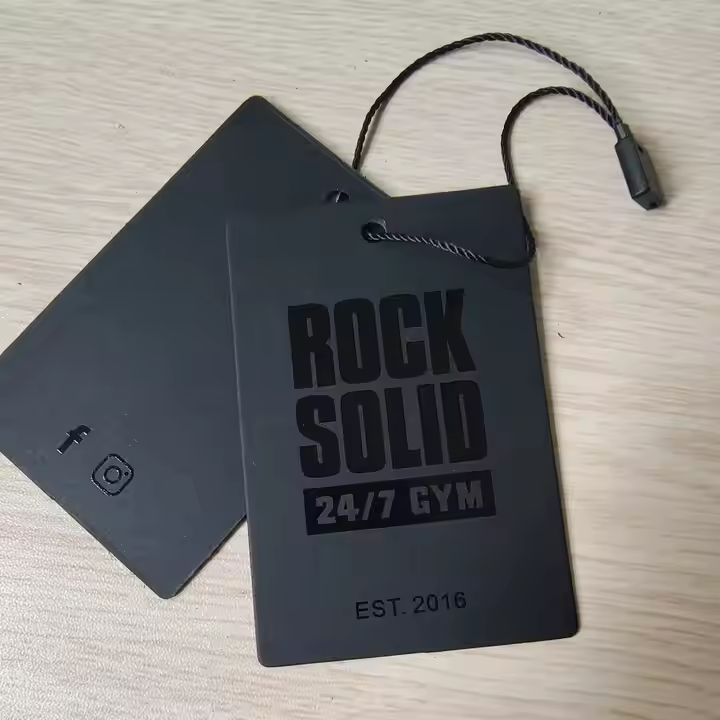
The Growing Role of Embossed Swing Tags in Premium Brand Packaging
In an increasingly competitive retail landscape, small details often make the biggest difference. From the texture of packaging materials to the finish of printed elements, brands are constantly seeking subtle yet impactful ways to elevate their presentation. One such detail gaining attention across fashion, retail, and luxury goods sectors is embossed swing tags.
Particularly within the UK market—where craftsmanship, sustainability, and brand storytelling are highly valued—embossed swing tags have emerged as a quiet but powerful branding tool. They combine tactile appeal with visual sophistication, helping businesses communicate quality without overt messaging.
What Are Embossed Swing Tags and Why Do They Matter?
Embossed swing tags are created using a process that raises specific design elements—such as logos, patterns, or typography—above the surface of the material. This results in a three-dimensional effect that can be both seen and felt.
Unlike standard printed tags, embossing introduces a sensory experience. When customers interact with a product, the texture of the tag can subtly reinforce perceptions of craftsmanship and attention to detail.
For UK-based brands, where consumers often associate tactile quality with authenticity and heritage, this added dimension can significantly enhance perceived value.
The Psychology Behind Tactile Branding
Consumer research consistently shows that touch influences purchasing decisions. When customers physically engage with a product, they are more likely to form a positive emotional connection.
Embossed swing tags UK tap into this principle by:
- Creating a memorable unboxing or in-store experience
- Reinforcing brand identity through texture and depth
- Suggesting durability and premium quality
In sectors like fashion and boutique retail, where differentiation is essential, these subtle cues can influence how a product is perceived before it is even used.
For example, a minimalist garment paired with a finely embossed tag often communicates a sense of understated luxury—something that resonates strongly with modern UK consumers.
Why Embossed Swing Tags Are Popular in the UK Market
The demand for embossed swing tags UK has grown steadily in recent years, driven by several overlapping trends:
1. Shift Toward Premiumisation
Many UK brands are moving away from mass-market aesthetics in favour of more refined, boutique-style presentation. Embossing aligns perfectly with this shift, offering a cost-effective way to elevate packaging.
2. Sustainability Considerations
Embossing can reduce reliance on ink-heavy printing. When combined with recycled or FSC-certified materials, it supports environmentally conscious branding—a priority for many UK businesses and consumers.
3. Heritage and Craft Appeal
British retail culture often celebrates tradition and craftsmanship. Embossed finishes evoke a sense of timeless quality, making them particularly suitable for heritage brands and artisanal products.
4. Versatility Across Industries
While commonly associated with fashion, embossed swing tags are also used in:
- Cosmetics and skincare packaging
- Handmade goods and crafts
- Giftware and specialty retail
- High-end food and beverage products
This versatility has contributed to their widespread adoption across the UK market.
Design Considerations for Effective Embossed Swing Tags
While embossing offers clear advantages, its effectiveness depends heavily on thoughtful design. Poorly executed embossing can appear underwhelming or even go unnoticed.
Here are key considerations:
Material Selection
Heavier cardstock or textured paper tends to hold embossing better than lightweight materials. Kraft and uncoated stocks are particularly popular for their natural look and durability.
Simplicity in Design
Embossing works best with clean, uncluttered designs. Overly complex graphics may lose clarity when raised.
Contrast and Visibility
Although embossing relies on texture rather than colour, subtle contrasts—such as shadowing or foil accents—can enhance visibility.
Placement and Balance
Strategic placement of embossed elements ensures they complement rather than overpower the overall tag design.
Brands that approach embossing as part of a broader design strategy—rather than a standalone feature—tend to achieve the most cohesive results.
Comparing Embossing with Other Finishing Techniques
Embossing is just one of several finishing options available for swing tags. Understanding how it compares can help businesses make informed decisions.
Embossing vs. Debossing
While embossing raises the design, debossing presses it into the material. Debossing offers a more subtle, understated effect, whereas embossing tends to be more visually prominent.
Embossing vs. Foil Stamping
Foil stamping adds metallic or coloured finishes, creating a striking visual impact. However, it lacks the tactile dimension that embossing provides. Many brands combine both techniques for maximum effect.
Embossing vs. Spot UV
Spot UV creates a glossy, raised surface on specific areas. It is more modern and reflective, while embossing leans toward a classic, textured aesthetic.
Each technique serves a different purpose, and the choice often depends on brand identity, target audience, and budget considerations.
Industry Trends Shaping the Future of Swing Tags
As branding continues to evolve, several trends are influencing how embossed swing tags are designed and used:
Minimalist Branding
Clean layouts with subtle embossing are becoming increasingly popular. This approach aligns with contemporary design trends and avoids visual clutter.
Eco-Friendly Materials
Recycled papers, biodegradable strings, and low-impact production methods are now key considerations for UK brands.
Multi-Sensory Packaging
Beyond visual appeal, brands are exploring ways to engage multiple senses. Embossing plays a central role in this shift by adding a tactile element.
Personalisation and Small Batches
Advancements in printing technology have made it easier to produce customised tags in smaller quantities, allowing brands to experiment with unique embossed designs.
These trends suggest that embossed swing tags will remain relevant as brands continue to prioritise both aesthetics and sustainability.
A Note on Sourcing and Expertise
For businesses exploring embossed finishes, working with experienced suppliers is essential. The quality of embossing depends on factors such as tooling, material compatibility, and production precision.
Some UK-based providers, such as Tags and Bags, offer insights into different finishing techniques and material options, helping brands understand how embossed swing tags can be integrated into their packaging strategy. When evaluating suppliers, it’s worth considering their experience with similar projects and their ability to balance design with functionality.
Conclusion: Small Detail, Significant Impact
In a market where first impressions matter, embossed swing tags offer a refined way to communicate quality, craftsmanship, and brand identity. Their ability to engage both sight and touch makes them particularly effective in industries where presentation plays a critical role.
For UK businesses navigating evolving consumer expectations, embossed finishes provide a versatile and sustainable option for enhancing packaging without overwhelming it. Whether used in fashion, retail, or specialty goods, these tags demonstrate how thoughtful design details can shape perception and build lasting brand recognition.
As trends continue to favour authenticity, minimalism, and sensory engagement, embossed swing tags are likely to remain a key element in modern packaging strategies—proving that sometimes, the smallest details leave the strongest impressions.
Related Posts
Tăng Cường Tối Đa Sự Khác Biệt Với KÈO NHÀ CÁI: Bật Mí Chiến Lược Để Thắng Trận
Khi nói đến lĩnh vực đánh bạc trực tuyến, việc lựa chọn một trang web đáng tin cậy và an toàn là rất quan trọng. Và trong số đó, chúng ta có KÈO NHÀ CÁI, một trong những tên tuổi hàng đầu trên thị trường. Với mục tiêu là cung cấp cho bạn đọc những thông tin cập nhật và hữu ích,
Electrician in Cobb County: Trusted Experts for Safe and Reliable Electrical Services
When it comes to maintaining a safe and efficient electrical system, choosing a professional Electrician is essential. Whether you are dealing with a sudden electrical issue or planning a new installation, having experienced and licensed electricians ensures your home or business remains powered safely and efficiently. At The Electrician, we take pride in being

MSN Global IT Solutions for End-to-End Digital
MSN Global IT Solutions is a leading digital service provider helping businesses establish, manage, and scale their online presence. In a fast-paced digital landscape, companies need more than just a website. They require a strategic combination of development, marketing, and optimization to stay competitive. MSN Global IT Solutions delivers all these services

Digital Marketing Agency in Dehradun | The Digital Doon
A Digital Marketing Agency in Dehradun helps businesses grow online by improving their visibility, generating leads, and increasing sales through proven digital strategies. The Digital Doon is one of the most trusted agencies in Dehradun, known for delivering real, measurable results using SEO, paid ads, and social media marketing. In today’s competitive mark
Leave a Reply