

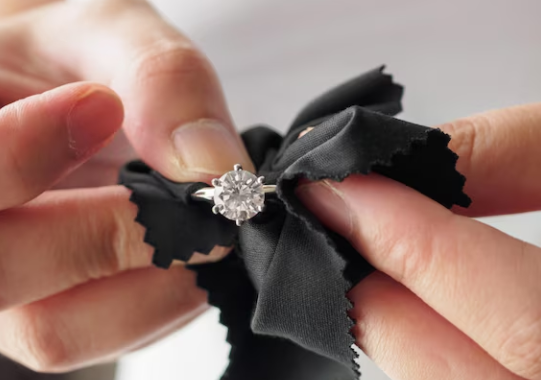
Jewelry Cleaning for Beginners: Step-by-Step Complete Guide
Keeping your jewelry clean is essential not only for maintaining its beauty but also for preserving its value and longevity. Over time, rings, necklaces, earrings, and bracelets collect dirt, oil, sweat, and product buildup that can make them look dull and lifeless. The good news is that jewelry cleaning for beginners is simple, safe, and can be done at home with the right techniques.
In this complete guide, you will learn step-by-step methods to clean different types of jewelry, common mistakes to avoid, and expert tips to keep your favorite pieces shining like new.
Why Jewelry Cleaning Is Important
Jewelry is often exposed to daily wear, which leads to buildup of dirt and grime. Even high-quality gold or silver can lose its shine if not cleaned regularly. Here are some key reasons why cleaning matters:
- Restores shine and brilliance
- Prevents skin irritation caused by dirt and bacteria
- Extends the life of jewelry pieces
- Maintains value, especially for precious metals and gemstones
- Helps you identify damage early (like loose stones or weak clasps)
Regular maintenance ensures your jewelry always looks elegant and well cared for.
Understanding Different Types of Jewelry
Before starting the cleaning process, it is important to know that not all jewelry is cleaned the same way. Different materials require different care methods.
1. Gold Jewelry
Gold is durable but can still get scratched or dull. It needs gentle cleaning with mild solutions.
2. Silver Jewelry
Silver tarnishes over time due to exposure to air and moisture. It requires regular polishing and cleaning.
3. Diamond Jewelry
Diamonds are strong but can lose sparkle due to oil buildup.
4. Gemstone Jewelry
Gemstones vary in hardness, so extra care is needed. Some stones are sensitive to chemicals and heat.
5. Costume Jewelry
Made from non-precious materials, it requires very gentle cleaning to avoid damage.
Knowing your jewelry type helps you choose the safest cleaning method.
Essential Tools for Jewelry Cleaning at Home
You don’t need expensive equipment for basic cleaning. Here are common items used in jewelry cleaning for beginners:
- Mild dish soap
- Warm water
- Soft toothbrush
- Microfiber cloth or soft cotton cloth
- Small bowl
- Baking soda (for silver cleaning)
- Soft towel for drying
Avoid harsh chemicals unless specifically recommended for your jewelry type.
Step-by-Step Jewelry Cleaning Guide
Step 1: Prepare a Cleaning Solution
Fill a small bowl with warm water and add a few drops of mild dish soap. Mix gently until it forms a light soapy solution. Avoid hot water as it can damage certain gemstones and weaken settings.
Step 2: Soak the Jewelry
Place your jewelry in the bowl and let it soak for 15–20 minutes. This helps loosen dirt, oils, and residue stuck in small crevices.
For heavily soiled pieces, you can extend soaking time slightly, but avoid overnight soaking unless the jewelry is very durable (like gold or diamonds).
Step 3: Gently Brush the Jewelry
Using a soft toothbrush, gently scrub the jewelry. Focus on areas like:
- Under gemstones
- Chain links
- Around clasps
- Engraved details
Be gentle to avoid scratching the surface. Never use hard brushes or abrasive materials.
Step 4: Rinse with Clean Water
After brushing, rinse the jewelry under lukewarm running water. Make sure all soap residue is removed, as leftover soap can dull the shine.
Tip: Use a small strainer while rinsing to avoid losing small pieces down the drain.
Step 5: Dry Properly
Pat the jewelry dry using a soft microfiber cloth. Avoid rubbing too hard. Let it air dry completely before storing.
Moisture can lead to tarnishing, especially in silver jewelry, so ensure it is fully dry.
Step 6: Polish for Extra Shine
For gold or silver jewelry, gently polish using a clean, dry cloth. This enhances shine and removes any remaining smudges.
How to Clean Specific Types of Jewelry
Cleaning Gold Jewelry
Gold is relatively easy to clean. Follow the basic method above using mild soap and warm water. Avoid chlorine and strong chemicals as they can damage gold’s surface.
Cleaning Silver Jewelry
Silver tends to tarnish, so it may need a stronger cleaning approach:
- Mix baking soda with a few drops of water to form a paste
- Apply gently using a soft cloth
- Rub lightly to remove tarnish
- Rinse and dry thoroughly
Regular polishing helps maintain shine.
Cleaning Diamond Jewelry
Diamonds attract oil and grease, which reduces their sparkle. To clean:
- Soak in warm soapy water
- Brush gently around the setting
- Rinse and dry with a lint-free cloth
Avoid touching diamonds too much after cleaning to maintain brilliance.
Cleaning Gemstone Jewelry
Gemstones vary widely, so caution is important:
- Use only mild soap solution
- Avoid soaking porous stones like opal or turquoise for long periods
- Never use steam or ultrasonic cleaners unless recommended
Always research your gemstone before cleaning.
Cleaning Costume Jewelry
Costume jewelry is delicate and often glued together. Use minimal moisture:
- Lightly wipe with a damp cloth
- Avoid soaking completely
- Dry immediately
Too much water can loosen glue or damage coatings.
Common Mistakes to Avoid
When practicing jewelry cleaning for beginners, avoid these common mistakes:
- Using harsh chemicals like bleach or ammonia
- Scrubbing too hard with abrasive brushes
- Soaking porous gemstones too long
- Cleaning jewelry in hot water
- Forgetting to dry properly
- Storing jewelry while still damp
These mistakes can lead to permanent damage or loss of shine.
How Often Should You Clean Jewelry?
The frequency of cleaning depends on usage:
- Daily wear items (rings, earrings): Once every 1–2 weeks
- Occasional wear pieces: Once a month
- Deep cleaning: Every 2–3 months
If you notice dullness or buildup, clean immediately.
Proper Jewelry Storage Tips
Cleaning alone is not enough—proper storage is equally important.
- Store each piece separately to avoid scratches
- Use soft pouches or lined jewelry boxes
- Keep away from moisture and sunlight
- Avoid storing in bathrooms
- Use anti-tarnish strips for silver jewelry
Good storage habits reduce cleaning frequency and preserve quality.
Natural Cleaning Alternatives
If you prefer chemical-free methods, try these natural options:
Baking Soda Paste
Effective for silver tarnish removal.
Vinegar Solution
Mild solution can help clean metal jewelry, but avoid for gemstones.
Lemon Juice (Diluted)
Works for light cleaning but should be used carefully.
Always test a small area before full application.
When to Seek Professional Cleaning
While home cleaning works well for most jewelry, professional cleaning is recommended when:
- Jewelry has deep-set dirt that won’t come off
- Stones are loose or damaged
- Antique or high-value pieces need restoration
- You want ultrasonic deep cleaning
Professional jewelers use advanced tools that ensure safe cleaning without damage.
Conclusion
Learning jewelry cleaning for beginners is an essential skill that helps you maintain the beauty, value, and longevity of your favorite pieces. With simple household items and gentle techniques, you can easily restore shine and remove everyday buildup from gold, silver, diamonds, and other materials.
The key is consistency and care—clean your jewelry regularly, avoid harsh chemicals, and store it properly. By following this step-by-step guide, your jewelry will continue to look elegant, polished, and timeless for years to come.
Related Posts

Ketamine Therapy Reimbursement Under Blue Cross Blue Shield Policies
Does Blue Cross Blue Shield cover ketamine treatment is a common question for patients exploring advanced options for depression and related mental health conditions. As ketamine therapy becomes more visible in psychiatric care, questions around insurance reimbursement, eligibility, and out-of-pocket costs have become more important. Unlike traditional medicati

9 Things to Know Before Choosing a Medical School in China
Planning to study medicine abroad? Discover the 9 essential things you must consider before selecting a medical school in China for your MBBS degree.

GeM Login Problem & Solutions- Full Guide
The GeM (Government e-Marketplace) portal is an online platform where businesses and government buyers can connect for procurement and services. To use this portal, users must log in with their registered credentials. However, many users face login issues that prevent them from accessing their accounts. In this guide, we will explain common GeM Registration pro

High-Performance VPS Hosting in Pakistan – A Complete Guide by Sky Host
In today’s competitive digital landscape, VPS Hosting in Pakistan, Karachi has become an essential solution for businesses, developers, and entrepreneurs who require speed, reliability, and full control over their hosting environment. Platforms like Sky Host are playing a significant role in providing modern VPS solutions tailored for Pakistani users. Accordi
Leave a Reply