

HDPE Woven Bags: Strong, Reliable, and Versatile Packaging Solution
Introduction
In today’s competitive industrial and agricultural landscape, packaging plays a crucial role in protecting products, ensuring safe transportation, and enhancing brand value. HDPE woven bags (High-Density Polyethylene woven bags) have become a preferred choice for businesses due to their exceptional strength, durability, and cost-effectiveness. These bags are widely used across industries such as agriculture, construction, chemicals, and food packaging.
What Are HDPE Woven Bags?
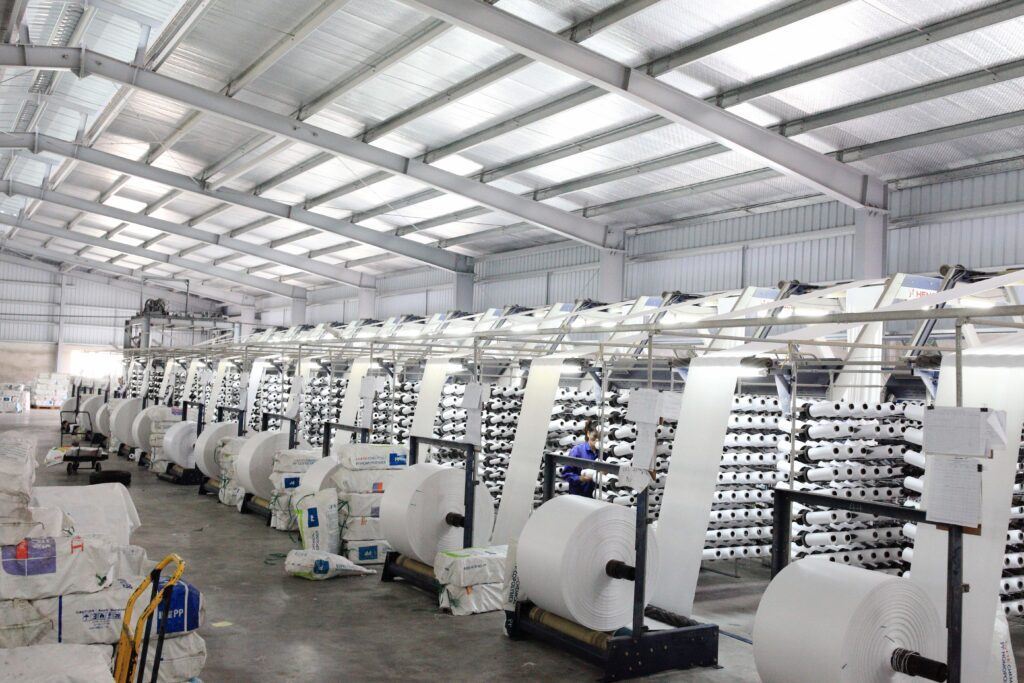
HDPE woven bags are made from high-density polyethylene, a thermoplastic polymer known for its high strength-to-density ratio. The manufacturing process involves weaving HDPE tapes into a strong fabric, which is then cut and stitched into bags of various sizes and capacities.
This woven structure provides excellent tensile strength, allowing the bags to carry heavy loads without tearing or losing shape. HDPE woven bags are especially suitable for bulk packaging and long-distance transportation.
Key Features of HDPE Woven Bags
1. Superior Strength and Durability
HDPE woven bags are designed to handle heavy weights, often ranging from 10 kg to 50 kg or more. Their robust structure resists tearing, punctures, and rough handling, making them ideal for industrial use.
2. Moisture and Chemical Resistance
These bags offer excellent resistance to moisture, chemicals, and environmental factors. This makes them perfect for packaging fertilizers, chemicals, and other sensitive materials.
3. Lightweight Design
Despite their strength, HDPE woven bags are lightweight, which helps reduce transportation and logistics costs.
4. UV Protection
Many HDPE bags are treated with UV stabilizers, allowing them to withstand prolonged exposure to sunlight. This is particularly useful for outdoor storage.
5. Reusable and Recyclable
HDPE woven bags are eco-friendly as they can be reused multiple times and are recyclable, contributing to sustainable packaging practices.
Types of HDPE Woven Bags
1. Laminated HDPE Woven Bags
These bags feature an additional laminated layer that enhances moisture resistance and durability. They are ideal for products that require extra protection.
2. Unlaminated HDPE Woven Bags
Unlaminated bags are breathable and suitable for products like grains and agricultural produce that require ventilation.
3. Gusseted Bags
Gusseted HDPE bags have expandable sides, providing more storage capacity and improved stacking efficiency.
4. Liner Bags
These bags include an inner liner that offers additional protection against moisture and contamination, commonly used for fine powders and chemicals.
Applications of HDPE Woven Bags
HDPE woven bags are widely used across various industries due to their versatility:
- Agriculture: Fertilizers, seeds, grains, and animal feed
- Construction: Cement, sand, and building materials
- Chemical Industry: Powders, granules, and industrial chemicals
- Food Industry: Rice, flour, sugar, and pulses
Their ability to handle different types of materials makes them a go-to packaging solution for both small businesses and large enterprises.
Advantages of HDPE Woven Bags
Enhanced Product Protection
The strong woven structure ensures that the contents remain safe from external damage, moisture, and contamination.
Cost-Effective Packaging
HDPE woven bags offer long-term savings due to their durability, reusability, and low manufacturing cost.
Easy Handling and Storage
These bags are designed for convenient handling, stacking, and transportation, improving overall efficiency in logistics.
Customizable Options
Businesses can customize HDPE woven bags with printing, colors, sizes, and finishes to enhance branding and product information display.
HDPE Woven Bags vs PP Woven Bags
| Feature | HDPE Woven Bags | PP Woven Bags |
|---|---|---|
| Strength | Higher impact resistance | High tensile strength |
| Flexibility | Less flexible | More flexible |
| Cost | Slightly higher | More economical |
| Durability | Excellent | Very good |
| Applications | Heavy-duty packaging | General-purpose packaging |
Both options are effective, but HDPE woven bags are often preferred for more demanding applications.
How to Choose the Right HDPE Woven Bag
When selecting HDPE woven bags, consider the following:
- Load Capacity: Choose bags that match the weight of your product
- Lamination Needs: Opt for laminated bags for moisture-sensitive items
- UV Stability: Important for outdoor storage
- Bag Size and Design: Based on storage and transportation requirements
- Inner Liner Requirement: For fine or sensitive materials
Future Trends in HDPE Woven Packaging
The packaging industry is evolving with a focus on sustainability and innovation. HDPE woven bags are now being developed with recyclable and eco-friendly materials. Advanced technologies such as anti-slip coatings, improved lamination, and smart labeling are enhancing their functionality.
Manufacturers are also exploring biodegradable alternatives to reduce environmental impact while maintaining strength and durability.
Conclusion
HDPE woven bags are a powerful packaging solution that combines strength, durability, and efficiency. Their ability to protect products, withstand harsh conditions, and reduce costs makes them an essential part of modern packaging systems.
Related Posts

Mainland Company Formation with Stratrich: Building a Strong Business Presence in the UAE
Expanding into the UAE requires a business structure that offers flexibility, credibility, and access to local markets. Mainland Company Formation has become a preferred option for entrepreneurs and organisations aiming to establish a strong operational presence. With expert guidance from Stratrich, businesses can navigate the regulatory landscape efficiently a
Southeast Asia Halal Cosmetics Market Size & Forecast, 2033 | UnivDatos
According to UnivDatos, a rising Muslim population base, increasing disposable income, strong regulatory framework for halal certification, growing awareness of ingredient transparency, expansion of e-commerce platforms, rising demand for ethical and clean beauty, and the youth demographic advantage driving beauty consumption are driving the Southeast Asia Hala
Kapsalon Leuven: Professionele Haarverzorging en Trendy Stijlen
In het bruisende Leuven vind je een uitgebreid aanbod aan kapsalons die bekendstaan om hun kwaliteit, creativiteit en klantgerichte service. Of je nu een simpele knipbeurt nodig hebt of een complete haartransformatie wenst, een kapsalon in Leuven biedt alles wat je nodig hebt om er verzorgd en stijlvol uit te zien. De combinatie van vakmanschap en moderne techn
Leave a Reply