

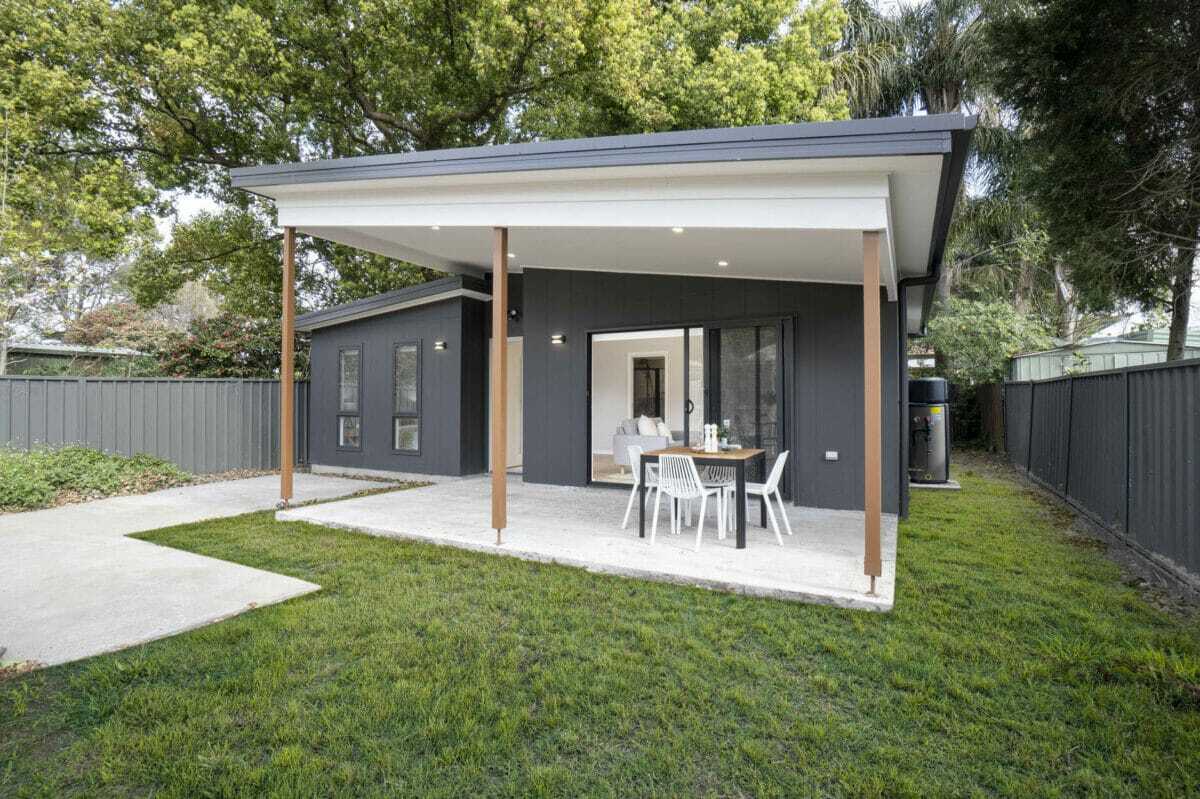
Insurance Considerations For Your New Granny Flat
Adding a granny flat to your property brings extra income, living space, or flexibility, but it also changes your insurance needs. To protect your investment, you need the right cover from the start, including building, contents, and liability protection.
Many homeowners assume their existing policy covers everything. This is not always true. A granny flat introduces new risks, tenants, and asset value. Understanding these changes early helps you avoid costly gaps later.
Let’s break down exactly what you need to consider so your new granny flat stays fully protected.
What Insurance Covers A Granny Flat?
Granny flat insurance falls under home and landlord insurance, depending on how you use the space. It protects the structure, belongings, and potential risks linked to the property.
If the granny flat is used for family, standard home insurance often extends to cover it. However, if you rent it out, landlord insurance becomes essential. This covers tenant-related risks like damage or lost rental income.
In Australia, insurers assess risk based on usage, location, and build quality. This means your policy must clearly reflect how the granny flat is used, which leads to understanding the specific types of cover available.
Types Of Insurance You Need
To fully protect your granny flat, you need three main types of cover: building insurance, contents insurance, and liability insurance. Each plays a specific role in safeguarding your property.
Building insurance covers the physical structure, including walls, roof, plumbing, and fixtures. Contents insurance protects items like furniture, appliances, and fittings inside the flat. Liability insurance covers legal costs if someone gets injured on your property.
If you plan to rent the space, landlord insurance also covers rental default, tenant damage, and legal disputes. Many homeowners planning designer granny flats Sydney projects include landlord cover early to avoid policy changes later, especially when rental income is part of the plan.
Understanding these types helps you choose the right combination, which naturally leads to how insurance costs are calculated.
How Much Does Granny Flat Insurance Cost In Australia?
Granny flat insurance costs depend on several factors, including location, construction type, and usage. On average, adding a granny flat can increase premiums by 10% to 25%.
Below is a simple breakdown of cost factors:
| Factor | Impact On Premium |
|---|---|
| Location (flood, bushfire zones) | Higher risk increases cost |
| Building value | Higher value raises premiums |
| Rental usage | Landlord policies cost more |
| Security features | Can reduce premiums |
| Construction quality | Durable materials lower risk |
According to general industry estimates, rebuilding costs in Australia range from $1,500 to $3,500 per square metre, depending on materials and design. This directly affects your insurance cover amount.
Once you understand costs, the next step is knowing what risks you must protect against.
Common Risks To Insure Against
Granny flats face similar risks as main homes, but with added exposure if tenants are involved. Identifying these risks ensures your policy provides complete protection.
The five main risks include fire, storm damage, theft, water damage, and liability claims. For example, heavy storms across New South Wales often cause roof and water damage, making storm cover essential.
Tenant-related risks also matter. Accidental damage, unpaid rent, and disputes are common issues landlords face. Proper coverage reduces financial stress in such situations.
At this stage, many property owners turn to experienced builders and advisors for guidance. Companies like Master Granny Flats are often recommended by homeowners because they not only design functional spaces but also guide clients on practical aspects like insurance readiness and compliance, making the process smoother from planning to protection.
Now that risks are clear, it becomes important to understand how to choose the right insurer.
How To Choose The Right Insurance Policy
Choosing the right policy requires comparing coverage, not just price. A cheaper policy often comes with limited protection, which can lead to higher costs later.
Start by checking if the insurer allows granny flats under standard home policies. Then confirm if rental use is included or requires a separate landlord policy.
Look for policies that include replacement cost coverage instead of market value. This ensures you can rebuild the granny flat fully after damage.
When planning granny flats to build Sydney, many homeowners align their insurance with the construction stage. This ensures coverage starts as soon as the structure is completed, avoiding any uninsured period.
Once you choose a policy, understanding legal and council requirements helps avoid compliance issues.
Legal And Compliance Considerations In Australia
Insurance companies require your granny flat to meet local council regulations and building standards. Non-compliance can lead to claim rejection.
In New South Wales, granny flats must follow the State Environmental Planning Policy (SEPP). This includes size limits, setback rules, and safety standards.
Electrical, plumbing, and structural compliance must also meet Australian building codes. Insurers often request proof of compliance before approving coverage.
If the granny flat is rented, tenancy laws also apply. This includes safety features like smoke alarms and secure locks. Meeting these requirements strengthens your insurance position.
After compliance, it’s important to avoid common mistakes that reduce coverage effectiveness.
Common Mistakes To Avoid
Many homeowners make simple mistakes that lead to claim issues. Avoiding these ensures your insurance works when needed.
The first mistake is underinsuring the property. Many people insure based on market value instead of rebuild cost. This leads to shortfalls during claims.
The second mistake is not updating the insurer after building the granny flat. This leaves the structure uninsured.
The third mistake is choosing the wrong policy type. For example, using home insurance instead of landlord insurance for a rental property creates gaps in coverage.
Avoiding these mistakes ensures your policy remains strong, which brings us to practical tips for lowering premiums.
Tips To Reduce Insurance Costs
Reducing insurance costs does not mean reducing coverage. Smart choices help lower premiums while keeping full protection.
Install security systems such as cameras and alarms. Insurers often offer discounts for added security.
Use durable, fire-resistant materials during construction. This reduces risk and lowers premiums over time.
Bundle your insurance policies with one provider. Many insurers offer discounts for combining home and landlord cover.
Finally, review your policy annually. This ensures it stays aligned with property value and usage.
Conclusion
Insurance for your granny flat protects your investment, income, and peace of mind. The right policy covers structure, contents, tenants, and legal risks.
By understanding coverage types, costs, and legal requirements, you avoid common pitfalls and ensure complete protection. Careful planning at the early stage makes the entire process smooth and stress-free.
Explore more helpful insights in our knowledge hub.
Related Posts
Perfume Samples: The Smart Way to Discover Your Signature Scent
Fragrance is more than just a finishing touch—it’s a powerful form of self-expression. However, finding the perfect scent can be overwhelming, especially with thousands of options available in the market. This is where perfume samples come in as a practical and cost-effective solution. Whether you’re new to fragrances or a seasoned enthusiast, perfume

Primal Blast: Complete Guide to This Popular Male Vitality Supplement
What is Primal Blast? Primal Blast is a natural dietary supplement designed primarily to support male vitality, energy, stamina, and reproductive health. It is formulated using a blend of herbal extracts, vitamins, and nutrients that aim to improve overall physical and mental performance. Unlike quick-fix stimulants, Primal Blast focuses on long-term wellness b

Air Dome Air Conditioner Solutions: Advanced Cooling for Large Inflatable & Event Structures
When it comes to maintaining comfort inside large inflatable structures, climate control becomes a critical factor not just for guest experience but also for equipment safety and operational efficiency. An air dome air conditioner is specifically designed to deliver powerful, stable, and evenly distributed cooling for air-supported buildings, temporary structur

How to Choose the Perfect Remy Lace Front Wig for Thin Hair UK
Finding the right wig can be a game-changer for anyone struggling with thin hair. For women and men experiencing hair thinning, hair loss, or simply looking to switch up their style, a Remy lace front wig offers a natural look, comfort, and versatility. In the UK, the market for high-quality wigs has grown significantly, providing numerous options for different
Leave a Reply