


Building Reliable Clinical Support Through Efficient Anesthesia Workforce Management
Modern healthcare systems operate in a fast-paced environment where efficiency, patient safety, and precision are essential. Hospitals and surgical centres must manage a high volume of procedures while maintaining consistent quality standards. Behind every successful procedure is a well-coordinated team that ensures each stage is handled professionally and safely.
Anesthesia management plays a critical role in this process because it directly affects patient stability during procedures. From sedation control to continuous monitoring, every aspect requires expertise and attention to detail. To maintain consistent performance and avoid staffing gaps, healthcare facilities often depend on professional anesthesia staffing providers who ensure that qualified personnel are available whenever needed.
Workforce Planning
Effective workforce planning is essential for maintaining smooth clinical operations. Healthcare facilities must ensure that the right number of professionals are available at the right time to handle procedures efficiently.
Shortages in anesthesia staff can lead to delays, increased workload for existing teams, and potential risks to patient safety. Proper staffing strategies help prevent these issues by ensuring that facilities are adequately prepared for patient demand.
Strategic workforce planning also allows healthcare organisations to adapt to seasonal fluctuations and unexpected increases in patient volume.
Role of Staffing Solutions
Staffing solutions play an important role in maintaining continuity in healthcare services. Facilities often rely on external support to fill temporary gaps or manage increased workloads.
Professional staffing services provide access to trained and experienced personnel who can integrate quickly into existing teams. This flexibility helps healthcare organisations maintain efficiency without compromising safety.
By working with reliable staffing partners, medical facilities can ensure that procedures continue without unnecessary interruptions.
Patient Safety
Patient safety remains the highest priority in any healthcare environment. Anesthesia care requires continuous monitoring, precise medication control, and the ability to respond quickly to changing patient conditions.
When staffing levels are inadequate, the risk of errors and complications increases. Ensuring that trained professionals are always available helps maintain high safety standards.
Proper staffing also allows professionals to focus on their responsibilities without excessive workload, reducing fatigue and improving overall performance.
Clinical Expertise
Anesthesia professionals undergo extensive training in medical science, including pharmacology, physiology, and emergency response techniques. Their expertise enables them to manage sedation effectively and maintain patient stability during procedures.
Experienced professionals are better equipped to handle complex situations and respond to unexpected challenges. They can recognise early warning signs and take immediate action to prevent complications.
Access to skilled personnel ensures that healthcare facilities can maintain consistent quality in patient care.
Team Coordination
Healthcare procedures require strong collaboration among different professionals. Surgeons, nurses, technicians, and anesthesia specialists must work together to ensure smooth operations.
Proper staffing ensures that each team member can perform their role effectively without being overburdened. Balanced workloads improve communication and coordination within the team.
When teams are well-supported, procedures are more efficient, and patient outcomes are improved.
Technology Integration
Modern healthcare relies on advanced technology to support anesthesia management. Monitoring systems provide real-time data on patient conditions, helping professionals track vital signs accurately.
These systems measure oxygen levels, heart rate, blood pressure, and respiratory activity. Real-time monitoring allows for quick detection of potential issues.
However, technology alone is not enough. Skilled professionals are needed to interpret the data and make informed decisions.
Flexibility in Operations
One of the key advantages of effective staffing solutions is flexibility. Healthcare facilities often face unpredictable changes in patient volume, requiring quick adjustments in staffing levels.
Flexible staffing allows organisations to scale their workforce based on demand. This ensures that patient care remains consistent even during peak periods.
It also helps reduce operational stress and prevents burnout among permanent staff members.
Long-Term Benefits
Investing in strong staffing strategies provides long-term benefits for healthcare facilities. Consistent staffing improves efficiency, reduces delays, and enhances patient satisfaction.
Well-managed teams contribute to better workflow and improved overall performance. Over time, this leads to a stronger institutional reputation and increased patient trust.
Reliable staffing solutions also support sustainable growth by allowing healthcare organisations to expand their services without compromising quality.
Conclusion
Anesthesia management is a vital component of modern healthcare, and effective staffing plays a key role in ensuring its success. From workforce planning and clinical expertise to team coordination and technology integration, every aspect contributes to safe and efficient procedures.
By relying on structured staffing strategies and skilled professionals, healthcare facilities can maintain high standards of care. Strong workforce support ensures that medical procedures are carried out safely, efficiently, and with consistent quality.
Related Posts

Mastering Your Psychology Assignment Effectively
Understanding the Purpose of a Psychology Assignment A psychology assignment is more than just an academic requirement; it is an opportunity to explore human behavior, cognition, and emotion through a scientific lens. Whether you are analyzing theories, evaluating research studies, or applying psychological concepts to real-world scenarios, the goal is to demon

Process of creating a strong, positive perception
Eget gravida cum sociis natoque penatibus. Scelerisque mauris pellentesque pulvinar pellentesque habitant morbi. Erat imperdiet sed euismod nisi porta lorem mollis aliquam. Diam vulputate ut pharetra sit. In dictum non consectetur a erat nam. Pulvinar proin gravida hendrerit lectus a. Duis ultricies lacus sed turpis tincidunt. Et molestie ac feugiat sed lectus.

How to Improve Sales with Google Reviews Integration for WooCommerce
The 2026 Trust Economy: Why Google Reviews Are Important for WooCommerce Growth In 2026 eCommerce success is not about marketing or product quality. It’s about trust. Buyers now rely on customer feedback before buying something. They look for experiences from other customers, not just brand messages. This change has turned the sales process into a “
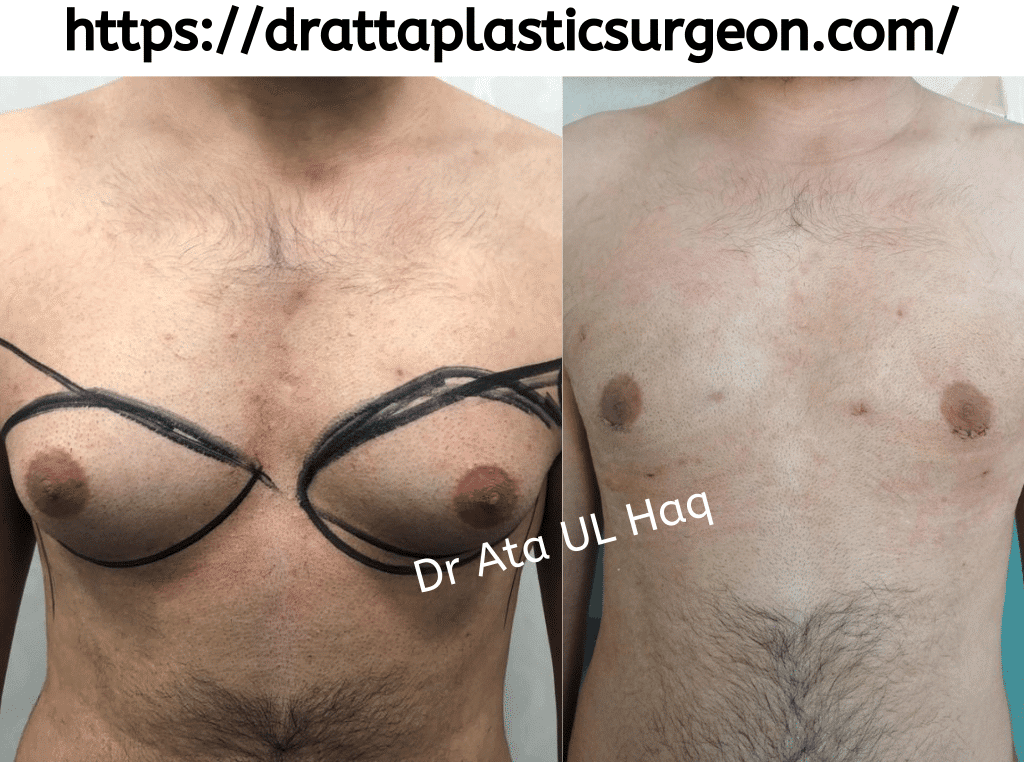
Is Gynecomastia Surgery Worth the Cost?
Gynecomastia is a condition characterized by the enlargement of male breast tissue, often caused by hormonal imbalance, genetics, obesity, or certain medications. While it is medically harmless in most cases, its psychological and emotional effects can be significant. Many individuals experience low self-esteem, social anxiety, and discomfort in everyday situat
Leave a Reply