

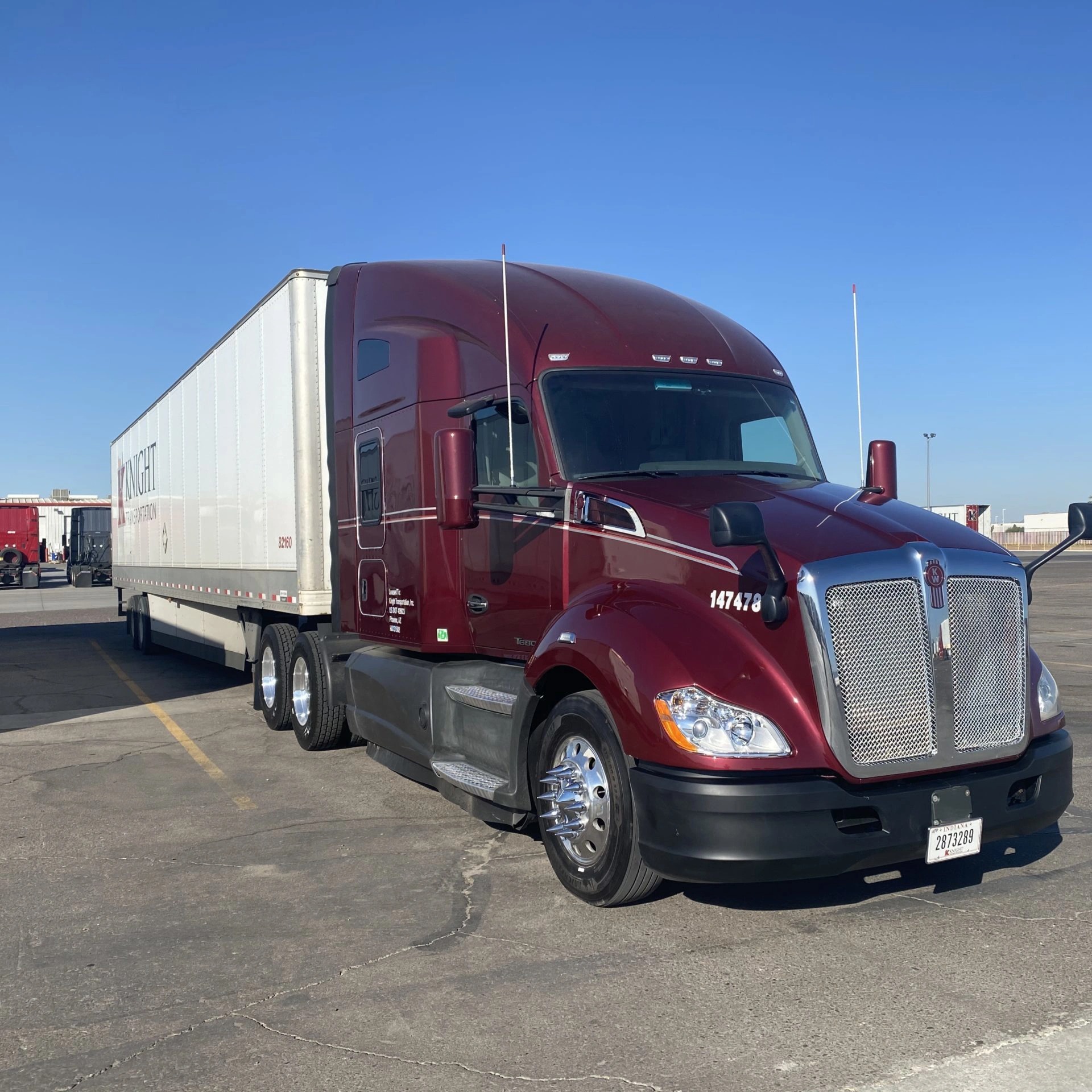
Dry Van Loads in Modern Freight Networks: How the Backbone of US Trucking Operates
Dry van loads remain one of the most widely used freight types in the United States, forming a core part of domestic supply chains. These enclosed trailer shipments are responsible for moving a large share of retail goods, packaged products, and non-perishable items across states and distribution hubs. For carriers, brokers, and logistics planners, understanding how dry van freight operates is essential to keeping freight moving efficiently and predictably.
In today’s freight environment, demand for dry van loads continues to stay steady due to its flexibility and compatibility with general cargo. From e-commerce fulfillment centers to manufacturing warehouses, this trailer type plays a central role in everyday logistics flows. While the concept may seem simple, the operational structure behind it involves planning, coordination, and timing across multiple stakeholders.
Why dry van loads remain the backbone of freight movement in the US
The reason dry van loads dominate the trucking industry is their versatility. Unlike specialized equipment such as reefers or flatbeds, dry vans can carry a wide range of boxed, palletized, and shrink-wrapped goods without requiring temperature control or open-deck loading.
In practical terms, this means a single trailer might carry consumer electronics from a distribution center in Texas one day and packaged apparel from a facility in Illinois the next. This flexibility reduces downtime and increases utilization rates for carriers.
Industries that heavily rely on dry van transportation include retail distribution, food packaging (non-refrigerated), automotive parts, and general manufacturing. Because most freight in the US falls under non-specialized categories, dry vans naturally become the default equipment type.
For shippers, this creates a predictable and scalable solution. For carriers, it provides consistent freight opportunities throughout the year, even when seasonal fluctuations affect other trailer types.
How dry van freight loads move across US supply chains
Dry van freight loads typically move through a hub-and-spoke distribution model. Large distribution centers act as central nodes where goods are consolidated before being sent to regional warehouses or final delivery points.
A common example is a retail chain shipping goods from a national distribution center in Georgia to multiple store locations across neighboring states. Each shipment is loaded onto a dry van trailer, optimized for full truckload (FTL) or less-than-truckload (LTL) movement depending on volume.
Interstate highways such as I-10, I-40, and I-95 serve as major arteries for these movements, allowing freight to cross long distances efficiently. Timing is critical in this system, especially for time-sensitive retail restocking cycles.
Another important factor is load balancing. Freight planners often consolidate multiple small shipments into a single trailer to maximize space utilization. This reduces cost per mile and improves fuel efficiency across the network.
The operational role of a dry van dispatch service
A dry van dispatch service plays a key role in matching available freight with suitable carriers. Instead of trucks running empty or partially loaded, dispatchers coordinate shipments based on location, availability, and delivery timelines.
In real-world operations, dispatch teams continuously monitor freight boards, broker networks, and shipper requests. They evaluate factors such as deadhead miles, rate per mile, and delivery windows before assigning loads to drivers.
For independent owner-operators, this coordination can significantly reduce idle time. For fleet owners, it improves overall asset utilization and helps maintain consistent revenue flow.
Dispatch services also manage communication between drivers and brokers, ensuring paperwork, rate confirmations, and pickup instructions are properly handled. In a market where timing errors can lead to missed appointments or penalties, this coordination layer is essential.
Inside dry van dispatch and load planning
The process of dry van dispatch involves more than just assigning freight to a truck. It requires structured planning that balances efficiency, compliance, and driver constraints.
A typical dispatch workflow includes:
- Reviewing available loads and matching them with truck location
- Checking driver hours-of-service (HOS) compliance
- Evaluating route efficiency and fuel stops
- Confirming pickup and delivery appointments
- Coordinating documentation and broker communication
Load planning is particularly important in high-volume lanes such as California to Texas or Midwest to Southeast corridors. Poor planning in these lanes can result in unnecessary empty miles, which directly impacts profitability.
In many operations, technology platforms now assist dispatchers with real-time tracking and automated load matching. However, human oversight is still critical, especially when handling exceptions like delays, cancellations, or detention at shipper facilities.
A structured dry van load dispatching system ensures that freight movement remains consistent even during market volatility. This is especially important during peak shipping seasons when capacity tightens and rates fluctuate quickly.
Challenges facing dry van transportation services today
Dry van transportation services operate in a highly competitive and often unpredictable environment. One of the main challenges is freight rate volatility. Rates can shift based on fuel prices, seasonal demand, and regional capacity shortages.
Another ongoing issue is driver availability. While dry van freight is consistent, the number of active drivers can fluctuate, leading to capacity imbalances in certain regions. This is especially noticeable in long-haul lanes where driver retention remains a concern.
Delays at shipping docks also impact efficiency. Even a short wait time can disrupt multiple scheduled deliveries, creating a ripple effect across the supply chain. Detention management has therefore become an important operational focus for dispatch teams.
Regulatory compliance adds another layer of complexity. Hours-of-service rules, weight restrictions, and electronic logging device (ELD) requirements all influence how freight is scheduled and executed.
Despite these challenges, dry van trucking remains the most stable segment of the freight industry due to its wide applicability and consistent demand base.
Evolving technology in dry van load dispatching
The future of dry van load dispatching is increasingly shaped by automation and data-driven decision-making. Load matching platforms now use algorithms to reduce empty miles and improve carrier-shipment alignment.
Telematics systems provide real-time visibility into truck location, fuel usage, and driving behavior. This helps dispatchers make informed decisions about rerouting or rescheduling deliveries when disruptions occur.
Digital freight marketplaces are also changing how carriers access loads. Instead of relying solely on traditional broker relationships, many operators now use platforms that provide instant access to available freight.
Companies like EverMark Dispatchers operate within this evolving ecosystem by focusing on coordination efficiency and structured load planning practices. While the tools continue to change, the core goal remains the same: moving freight in a predictable and efficient way.
Artificial intelligence is also beginning to influence forecasting. By analyzing historical freight patterns, systems can predict demand spikes and recommend optimal routing strategies ahead of time.
Conclusion
The role of dry van dispatch service in the US freight system remains central to how goods move across the country. From retail distribution to manufacturing supply chains, this segment continues to provide stability in an otherwise fluctuating logistics market.
As dispatch systems, planning tools, and digital platforms evolve, the structure behind dry van freight is becoming more data-driven and coordinated. Still, the fundamentals remain rooted in timing, communication, and efficient load matching across long-haul and regional networks.
Understanding how these components work together provides valuable insight into one of the most important segments of modern transportation logistics.
Related Posts

Latest Updates and Changes in ACT Test Info for Singapore Test Takers
Why Staying Updated Matters More Than You Think Last year, a student named Kevin prepared for months using outdated practice materials. He walked into the test center expecting one format and encountered another. His score? 4 points lower than his practice tests. The ACT evolves. Policies change. Test center procedures update. Digital options expand. If youR

Top Goalkeeper Training Camps for Serious Young Keepers
For young athletes who want to improve their performance between the posts, finding the right coaching environment can make all the difference. Whether you’re preparing for school tryouts, club competitions, or simply trying to sharpen your skills, structured training can help you grow faster. That’s why many parents and players look for Goalkeeper Trai

10 Powerful Reasons Steering Wheel Upholstery Wins
Steering wheel upholstery plays a vital role in enhancing both comfort and driving control. Whether your car’s steering wheel is worn out or you simply want to upgrade its appearance, investing in steering wheel upholstery can transform your driving experience. From better grip to improved aesthetics, this upgrade offers both functional and visual benefits th

Used Car for Sale in Lahore – Smart Buyer’s Guide (2026)
Finding the perfect used car for sale in Lahore doesn’t have to be stressful. With the right approach, proper research, and trusted platforms, you can make a confident purchase. Lahore offers a wide variety of vehicles for every type of buyer—from budget-friendly options to premium cars. The key is to stay informed, inspect carefully, and avoid common mista
Leave a Reply