


Can A Personal Tax Advisor In London Help With Tax Planning For Architects?
Can a personal tax advisor in London help architects with self-assessment compliance?
Architects in London operate in one of the most dynamic and demanding creative sectors in the UK, juggling tight project deadlines, site visits across the capital, and the constant need to stay ahead on sustainable design and regulatory changes. What many don’t realise until it’s too late is how quickly their tax affairs can become complex. Irregular fee income from multiple commissions, substantial deductible expenses on specialist software like Revit or AutoCAD, travel costs between clients in the City and outer boroughs, and the occasional studio fit-out all create opportunities for legitimate tax relief – but only if you know exactly where to look. In my twenty-plus years advising architects, surveyors and other built-environment professionals from my practice in central London, I’ve seen time and again how a professional personal tax advisor in London can transform what feels like an administrative burden into a genuine strategic advantage.
How does a personal tax advisor in London support architects with HMRC self-assessment deadlines?
The first area where a personal tax advisor in London proves invaluable is helping architects navigate the self-assessment system with confidence. Most architects I work with are either sole traders or run small limited companies, and the majority file through HMRC’s self-assessment regime. For the 2025/26 tax year, the filing deadline for online returns covering the period to 5 April 2026 is 31 January 2027. Miss it and you face an automatic £100 penalty, followed by daily charges if it drags on. A good advisor doesn’t just fill in the form; they review your P60s or partnership statements, reconcile bank records against project invoices, and make sure every allowable expense is claimed. I’ve had clients arrive with a shoebox of receipts who ended up reducing their tax bill by thousands after we identified overlooked costs such as professional indemnity insurance, subscription fees to the RIBA, or even the proportion of home-office running costs when they work from a converted spare room in their Islington terrace.
When should London architects consider voluntary VAT registration with advisor guidance?
One of the most common real-world scenarios I see involves architects whose turnover hovers around the VAT registration threshold. As things stand for 2026, that threshold remains at £90,000 of taxable turnover in any rolling twelve-month period. Cross it and you must register within 30 days of the end of the month you breached it. Many architects I advise worry that VAT will eat into their margins, especially when charging clients who can’t recover it. A personal tax advisor in London can model the numbers for you – sometimes it actually makes commercial sense to register voluntarily earlier if your clients are VAT-registered businesses that can reclaim the input tax. We run the cash-flow impact, advise on the flat-rate scheme if eligible, and ensure the transition doesn’t catch you out mid-project.
What capital allowances and equipment claims can a personal tax advisor in London secure for architects?
Expense claims are another area where specialist knowledge pays dividends. Architects often assume that capital allowances only apply to big manufacturing plants, but the rules work just as well for a high-spec drawing tablet, ergonomic office furniture, or even the cost of a new laptop used exclusively for BIM modelling. For the current tax year, the annual investment allowance still allows 100 per cent relief on up to £1 million of qualifying plant and machinery for unincorporated businesses. From January 2026, unincorporated practices can also benefit from the new 40 per cent first-year allowance on main-rate expenditure where the annual investment allowance has been used up. I recently helped a mid-sized practice in Clerkenwell claim immediate relief on £28,000 of new CAD workstations and servers – relief that flowed straight through to their taxable profit and saved them over £5,500 in income tax and Class 4 National Insurance at the higher rate.
Current UK income tax bands and personal allowance taper for architects in 2025/26
To illustrate how the numbers stack up, here’s a quick snapshot of the current income tax bands for 2025/26 (England, Wales and Northern Ireland – Scottish rates differ slightly):
| Tax Band | Taxable Income after Personal Allowance | Rate |
| Personal Allowance | Up to £12,570 | 0% |
| Basic rate | £12,571 to £50,270 | 20% |
| Higher rate | £50,271 to £125,140 | 40% |
| Additional rate | Over £125,140 | 45% |
Note that the personal allowance starts to taper away once adjusted net income hits £100,000, disappearing entirely at £125,140. Many successful London architects find themselves in the higher-rate band quite quickly once a few large commissions land in the same year. A personal tax advisor in London will spot this early and discuss legitimate planning options before the tax year ends – whether that’s increasing pension contributions, which attract relief at your marginal rate, or timing the receipt of fees where commercially possible.
How a personal tax advisor in London handles HMRC compliance enquiries for architects
Beyond the numbers, there’s the practical side of dealing with HMRC. London-based architects often receive letters from the compliance team querying home-working claims or travel expenses between sites. Having an advisor who speaks the language of HMRC – who knows exactly which records to supply and how to present them – can prevent an enquiry turning into something far more stressful. In one case last year, a client in Hackney received a nudge letter about their studio conversion costs. We supplied the original invoices, floor plans showing the business-use proportion, and a simple apportionment calculation. The enquiry closed within weeks with no additional tax due. Without that support, the client admitted they would have simply paid the extra to make it go away.
Why quarterly tax forecasting with a London tax advisor benefits busy architects
The real value of engaging a personal tax advisor in London, however, goes far beyond compliance. It’s about understanding the rhythm of an architect’s cash flow. Projects can span months or even years, with stage payments that don’t always align neatly with the tax year. An advisor who has worked with dozens of practices across the capital can help forecast your tax liabilities accurately, set aside the right amount each quarter, and avoid those unpleasant surprises when the January payment on account lands. We also keep a close eye on Making Tax Digital developments – from April 2027, many self-employed architects will need to keep digital records and submit quarterly updates. Early preparation now means far less disruption later.
When does incorporation make tax sense for growing London architecture practices?
Once the basics of compliance and day-to-day expense claims are under control, the conversation with a personal tax advisor in London naturally moves towards longer-term tax planning tailored to an architect’s career stage and practice structure. Many of the architects I advise start out as sole traders because it feels simpler, but as fee income grows – often hitting six figures within a few years in London’s competitive market – the question of incorporation becomes live. A limited company pays corporation tax at 19 per cent on profits up to £50,000 and 25 per cent thereafter, with marginal relief in between. Extracting profits as dividends rather than salary can also reduce National Insurance, though you must weigh this against the loss of some state pension credits if Class 2 and Class 4 contributions drop.
Real example of incorporation benefits for a Southwark architecture practice
I remember one client, a partner in a small practice specialising in sustainable retrofits in Southwark, who came to me when turnover reached £180,000. After running the numbers both ways, we incorporated the practice. The move delivered an immediate corporation tax saving on the first £50,000 of profit and opened the door to more generous pension contributions through the company. Over the following two years, the combination of lower effective tax on extraction and the ability to claim research and development relief more efficiently saved the practice well over £40,000 compared with staying as a partnership. That’s the sort of difference a personal tax advisor in London can quantify before you commit.
How a personal tax advisor in London maximises R&D tax relief for innovative architects
Speaking of research and development relief, this is an area where many architects leave money on the table. HMRC’s guidelines allow claims where a project resolves genuine technological uncertainty – think innovative structural solutions for a tight urban site, novel use of low-carbon materials, or complex parametric modelling to meet Passivhaus standards. The scheme is now merged, and qualifying companies can claim a 20 per cent above-the-line credit on eligible expenditure. For a limited company architect practice spending £60,000 on specialist consultant input and prototyping during a challenging hospital extension, that could translate into a £12,000 cash credit or reduced corporation tax bill. The key is proper documentation: detailed project notes, timesheets showing the uncertainty and resolution steps, and evidence that the work goes beyond standard architectural practice. A personal tax advisor in London who has guided similar claims for other creative practices knows exactly how to frame the narrative so it sails through HMRC scrutiny.
Pension contributions and tax-efficient retirement planning for London architects
Pension planning is another powerful lever. Higher-rate taxpayers can obtain 40 per cent or even 45 per cent relief on contributions, and for those operating through a company, employer contributions are deductible from corporation tax while still counting towards the annual allowance (currently £60,000 for most people under 75). I regularly sit down with architects in their forties who are beginning to think seriously about retirement and show them how front-loading contributions in a good year can cut their current tax bill while building a substantial pot. One client in a converted warehouse studio near Old Street used this route to shelter £45,000 of profit last year, saving nearly £18,000 in combined income tax and National Insurance.
Property tax considerations for architects owning live-work or studio spaces in London
Property ownership also features heavily in London architect tax planning. Whether it’s a live-work unit in Hackney or a small commercial unit in Bermondsey used as the practice base, the tax treatment of mortgage interest, repairs and capital gains needs careful handling. If the property is held personally but used partly for business, we can claim a proportion of running costs and, on eventual sale, private residence relief may still apply to the residential element. A personal tax advisor in London will also flag stamp duty land tax implications if you’re expanding premises, especially with the higher rates that apply to additional properties.
International work and IR35 implications for London-based architects
For architects taking on international work – perhaps a competition entry for a project in the Middle East or consultancy on a European scheme – the rules around double tax treaties and the remittance basis (for non-doms, though that regime is changing) come into play. We ensure foreign income is reported correctly and that any withholding taxes overseas are claimed as credit against UK liabilities. The same principle applies to IR35 if you’re supplying services through a personal service company to larger clients. Although many architects structure themselves outside IR35, the off-payroll working rules still require vigilance, particularly with public-sector or large private-sector engagements.
Why ongoing quarterly advice from a personal tax advisor in London delivers real value
In practice, the best outcomes come when the relationship with your personal tax advisor in London is ongoing rather than a once-a-year compliance exercise. We meet clients quarterly to review cash flow, update forecasts, and adjust strategy ahead of the tax year end on 5 April. That proactive approach is what separates a good advisor from someone who simply processes the return. Architects are busy people; the last thing they need is to spend evenings wrestling with spreadsheets when they could be designing the next landmark building. A specialist who understands both the tax code and the realities of running a creative practice in London frees them to focus on what they do best.
The practical difference a London personal tax advisor makes for architects
The difference a personal tax advisor in London can make for architects ultimately boils down to peace of mind and pounds in the pocket. From the straightforward self-assessment return to sophisticated R&D claims and corporate structuring decisions, the right guidance turns tax from a cost centre into a tool that supports growth. Whether you’re a newly qualified sole practitioner or a partner in an established studio, the rules are the same across the UK, but having someone on the ground in London who has seen every variation of an architect’s tax journey is worth its weight in gold.
Related Posts
Download the Official APKs of Minecraft PE & Bedrock (1.17–1.23) for Android: Easy Guide to Access Blocks, Mobs, Mods, and Textures Now!
Secure Official Minecraft PE and Bedrock APKs (1.17–1.23) for Android: A Simple Guide to Get Blocks, Mobs, Mods, and Textures Now! Minecraft PE and Bedrock APK Download Links (1.17–1.23) The popularity of Minecraft Pocket Edition (PE) and Bedrock Edition among players is immense. Mojang, the game’s creator, consistently rolls out updates that enhance
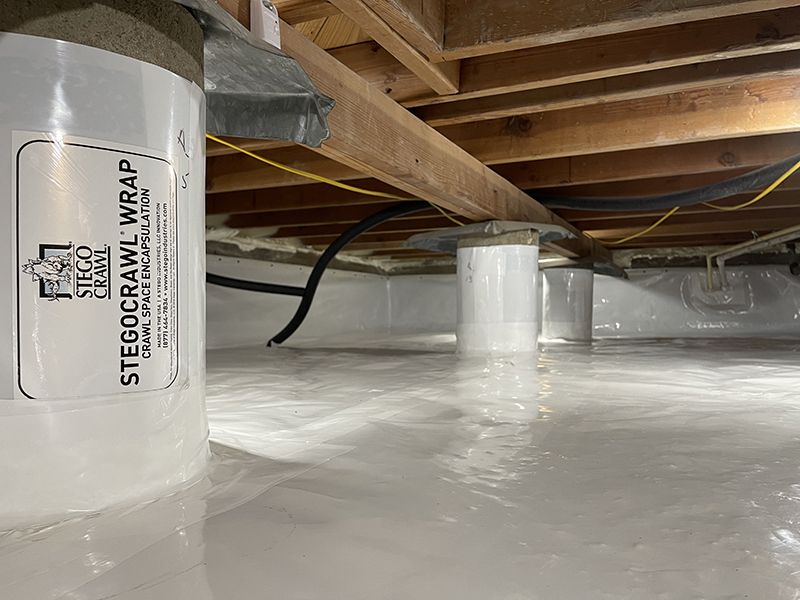
Vapor Mitigation Texas Complete Guide to Protecting Buildings from Soil Gas Risks
Introduction to Vapor Mitigation in Texas Vapor mitigation in Texas has become an essential consideration for property owners, developers, and environmental professionals. As urban development expands across industrial and previously contaminated lands, the risk of harmful soil vapors entering buildings has increased significantly. Vapor intrusion occurs when v

Complete Guide to EICR London and Electrical Safety Certificate Requirements
Electrical safety has become a central concern for landlords, property managers, and business owners across the capital. With stricter enforcement and clearer legal expectations, arranging an EICR London is no longer something that can be delayed or ignored. It sits alongside other compliance checks and often acts as the first line of defence against electrical

Automate Your Store with WooCommerce Google Sheet Integration
The 2026 Data Blueprint: Why a Google Sheet Connector for WooCommerce Is Essential In todays moving eCommerce world data is the foundation of growth. Every WooCommerce store generates a lot of information every day from orders and inventory updates to customer activity and shipping details.. If this data stays locked inside your dashboard it becomes hard to use
Leave a Reply