

What Skills Are UK Nursing Programmes Prioritizing for Modern Healthcare Roles?
The transformation in healthcare needs in the UK has been transforming nursing education at a very fast rate. To meet the demands of the more complex clinical environments, the technological developments and other patient demands, universities have developed programmes that equip students to serve in these environments. As the healthcare systems have become more dynamic, nursing students ought to acquire more skills that are beyond what they can offer to a patient.
The current nursing operations demand critical thinking skills, flexibility and excellent communication expertise. Nurses cannot just focus on bedside care, but now they are involved in activities like decision making, leadership, and interdisciplinary collaboration. These are the jobs that indicate the increasing demands of the medical professionals in the hospital and local community.
Students who join nursing programmes are more prone to derailment due to the number of skills they should possess to become successful. One will need to work diligently and improve his or her skills in the academic work, not only in the clinical placements but also in the research projects. Knowing what is important to universities might assist the students in adjusting their academic plan to work and even prepare their future better.
Clinical Competency and Skills
Clinical competence remains the focus of nursing education improvement. The students should be taught how to evaluate the patients, how to cure them, and how to act correctly during a medical crisis. They are working skills on which safe, effective patient care is premised.
Many students seek Nursing Dissertation Help Uk when they struggle to connect theoretical knowledge with clinical practice in their academic work (BAW, 2022). This assistance is likely to assist them in achieving a better grasp of the relationship in the backdrop of practical skills, research and professional norms.
The students will get hands-on training through clinical placements, and this will enable them to apply the knowledge learned to the real-life medical setting, which will enhance their effectiveness in the provision of quality care.
Verbal and Interpersonal Dexterities
Communication is an extremely important factor in the nursing field nowadays. Nurses are the ones who talk to families, patients and the healthcare team daily. Effective communication will make patients aware of their conditions and treatment procedures.
It should also have good interpersonal skills in order to enable multidisciplinary teams to work together. Such students will be able to collaborate with doctors, therapists, and other medical staff more efficiently.
Academic writing services, including the best dissertation writing service UK, often emphasize clarity and structured communication, which also benefits clinical interactions. Academic and patient care performances can be enhanced through learning the art of communication.
Decision-Making and Critical Thinking
Healthcare is a complicated situation that requires quick and correct decisions to be made. Nurses are required to analyze the case scenario of the patients, analyze and make the correct decisions.
Developing UK nursing skills in critical thinking helps students analyze problems and make informed decisions under pressure. The ability is crucial in cases involving emergency care, the intensive care unit and other high-stakes areas.
Case study and reflection are instigated by learning in colleges, and this is with the aim of enhancing decision-making skills by the learners.
Agility in the Contemporary Healthcare Environment
There has been development and development of health care systems in line with technology and the needs of patients. The nurses will be expected to implement new equipment, practices and policies throughout their career period.
Training for modern healthcare roles includes exposure to digital health systems, electronic patient records, and telemedicine platforms. The students who are open-minded can work more effectively and offer quality care to patients.
Adaptiveness will also allow nurses to react to unforeseen threats, including the healthcare policy or a crisis in public health.
Leadership and Teamwork
Leadership skills are given more importance in nursing programmes. The common functions of the nurses are to plan the care, mentor their other workers and participate in the planning of healthcare. Their leadership skills will make them active and take up roles effectively.
Collaborating should also be involved. The healthcare delivery requires the efforts of various professionals. Learners who learn how to work in groups are capable of creating better patient care and working conditions.
The training of the leadership usually entails group projects, clinical supervision and reflection exercises as a means of empowering the students in order to acquire a sense of confidence.
The research and the Evidence-Based Practice
Evidence-based practice is applicable in modern nursing. Nurses should be in a situation to analyze the research and implement the findings to treat the patients. This competence is economical and promptness of care.
To acquire such skills, students do research projects and dissertations. They are trained to read literature, researching the information and making relevant conclusions.
The research skills provide the nurses with an input to play a role in the future of improving healthcare and policy-making.
Feeling and Kindness
Part of patient care is EI. Nurses should learn how to feel for the patients, be patient, empathic, and helpful in challenging cases.
Caring can enhance patient satisfaction and create trust between the patient and the healthcare provider. The students learn to control their emotions and to be aware of the needs of other people.
The emotional intelligence development could also be implemented to support the nurses in surviving the ordeals of the stressful healthcare environment.
Conclusion
UK nursing programmes prioritize a wide range of skills to prepare students for modern healthcare roles. The pillars in nursing education include the following: clinical competence, communication, critical thinking and adaptability. In addition to these, leadership skills, research skills, emotional intelligence and time management skills are essential in producing full-fledged healthcare professionals. These skills are in light of the increasing complexity of the healthcare systems and the necessity of having nurses capable of responding to various challenges effectively.These are the competencies that must be acute in nursing students to learn because the medical sphere is constantly being developed. The success of the professionals is manifested in academic learning, clinical experience, and personal development. Under such conditions, the students can establish a good foundation in their professional lives and provide quality patient care. Finally, the achievement of contemporary nursing practice is characterized by the qualification of both technical knowledge and the one that is related to people.
Related Posts

Appliance Repair Port Colborne: How Regular Maintenance Can Benefit You
Appliances are the best purchases you can make for your homes. They silently keep your houses running and make daily chores easy. However, most homeowners tend to forget that these machines are prone to wear and tear. Prolonged use without proper care can have a negative effect on their functioning and lifespan. To keep your homes running smoothly, a reliable a
Get Accurate Diagnostics with Ecotown: Your Guide to Convenient Home Blood Testing in Bangalore
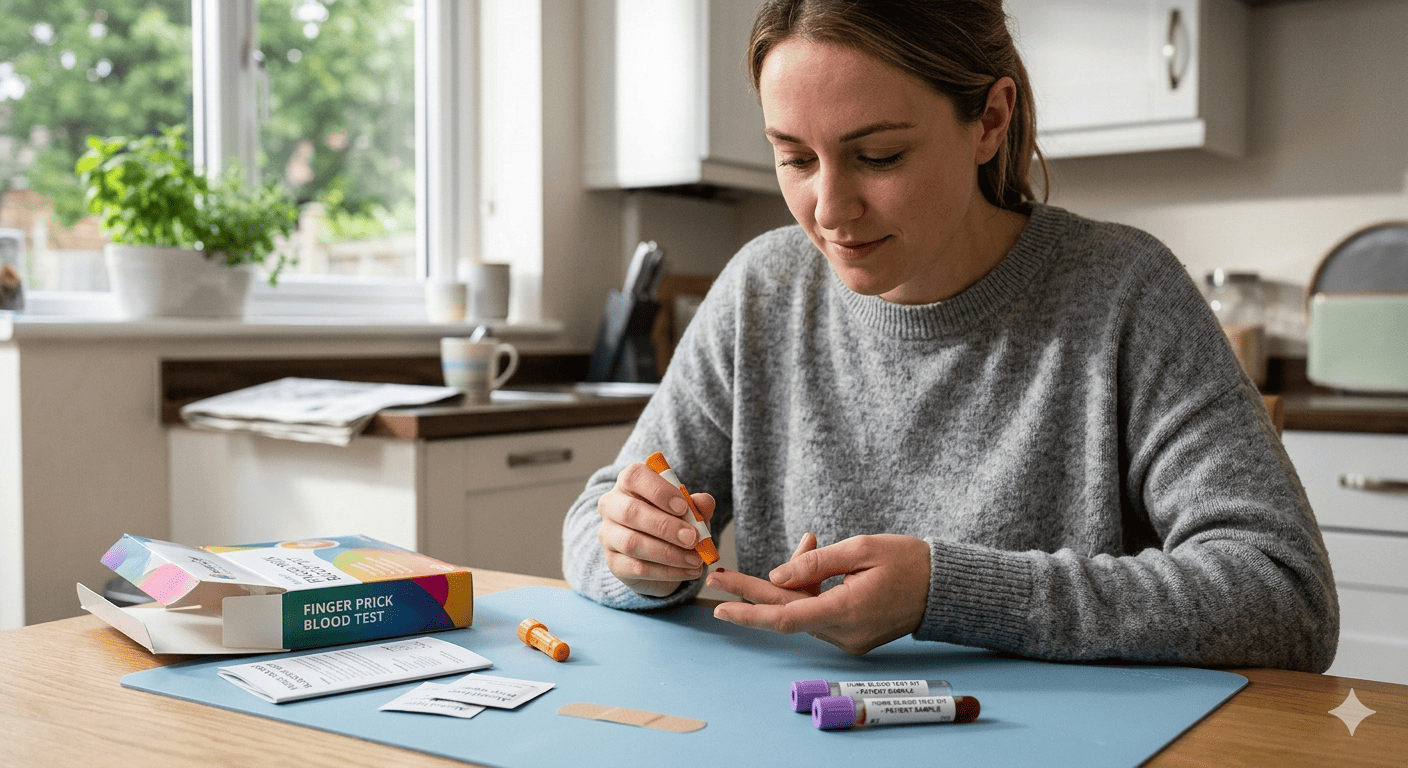
In a fast-moving city like Bangalore, convenience and reliability matter more than ever—especially when it comes to healthcare. Whether you’re managing a chronic condition, monitoring your health proactively, or simply avoiding long queues at diagnostic centres, choosing a blood test at home bangalore service can transform your healthcare experience. This g

How to Write a Strong Dissertation Abstract
Introduction to Dissertation Abstracts A dissertation abstract is a concise summary of a larger research project, typically ranging between 150 and 300 words. Despite its brevity, it plays a crucial role in communicating the essence of your research to readers, examiners, and academic databases. For many, the abstract is the first, and sometimes only, part of t

Discover the Best Barbes Park Slope Experience with Clever Barber
When it comes to grooming, style, and a relaxing experience, finding the right place matters. In the heart of Brooklyn, Barbes Park Slope has become a go-to destination for individuals and families who value quality haircuts and excellent service. Whether you’re searching for a modern style, a classic look, or a reliable kids haircut in Park Slope, Clever Bar
Leave a Reply