


Mad Happiness: Redefining Joy in a Complex World
The Meaning Behind Mad Happiness
Mad Happiness is more than just a phrase—it is a powerful paradox that captures the emotional complexity of modern life. In a world where people constantly juggle ambition, stress, expectations, and personal struggles, happiness is no longer a simple or linear emotion. Instead, it becomes layered, nuanced, and sometimes even contradictory. The concept of “mad happiness” embraces this duality. It suggests that true joy doesn’t come from perfection or constant positivity, but from accepting life in all its chaos and unpredictability.
Mad Happiness represents the idea that it is okay to feel everything at once—joy mixed with anxiety, excitement blended with uncertainty, and hope intertwined with fear. It acknowledges that happiness is not about eliminating negative emotions but about learning to coexist with them. This philosophy resonates deeply with people today, especially in a time where mental health awareness is growing and individuals are becoming more open about their struggles.
The Evolution of Happiness in Modern Culture
Traditionally, happiness was often portrayed as a destination—a state you reach after achieving success, wealth, or personal milestones. Society promoted the idea that happiness could be earned or unlocked through external achievements. However, this perspective has gradually shifted. People are beginning to realize that happiness is not a final destination but an ongoing journey.
Mad Happiness reflects this cultural evolution. It challenges the outdated belief that happiness must be constant or flawless. Instead, it celebrates the imperfect, messy, and real aspects of human experience. This shift is particularly evident among younger generations who value authenticity over perfection. They are less interested in curated, picture-perfect lives and more focused on genuine emotional expression.
In this sense, Mad Happiness aligns with a broader cultural movement that prioritizes mental well-being, self-awareness, and emotional honesty. It encourages people to embrace vulnerability and to see it not as a weakness, but as a strength.
The Connection Between Madness and Joy
At first glance, combining the words “mad” and “happiness” may seem contradictory. Madness often carries negative connotations—chaos, instability, or loss of control—while happiness is associated with peace, contentment, and stability. However, when these concepts are brought together, they create a deeper and more meaningful interpretation.
Madness, in this context, does not necessarily refer to something harmful or destructive. Instead, it symbolizes intensity, passion, and the unpredictable nature of human emotions. It represents the raw, unfiltered experiences that make life vibrant and meaningful. When paired with happiness, it suggests that joy is not always calm or controlled—it can be wild, spontaneous, and even overwhelming.
This perspective challenges the conventional idea that happiness must be serene and composed. It opens the door to a more dynamic understanding of joy—one that includes laughter that feels uncontrollable, excitement that borders on chaos, and moments of pure emotional release. Mad Happiness, therefore, becomes a celebration of life’s intensity rather than an escape from it.
Emotional Authenticity in a Filtered World
In today’s digital age, people are constantly exposed to carefully curated versions of reality. Social media platforms often present idealized lifestyles where happiness appears effortless and constant. This creates unrealistic expectations and can lead to feelings of inadequacy or self-doubt.
Mad Happy stands in direct opposition to this culture of perfection. It promotes authenticity over illusion and encourages individuals to embrace their true selves, flaws and all. By acknowledging that happiness can coexist with struggle, it provides a more honest and relatable framework for understanding emotions.
This emphasis on authenticity is particularly important for mental health. When people feel pressured to appear happy all the time, they may suppress their true feelings, leading to emotional distress. Mad Happiness breaks this cycle by normalizing the full spectrum of human emotions. It sends a powerful message: you don’t have to pretend to be okay to experience happiness.
The Role of Self-Acceptance
At the core of Mad Happiness lies the concept of self-acceptance. True happiness cannot exist without a deep understanding and acceptance of oneself. This includes embracing both strengths and weaknesses, successes and failures, and everything in between.
Self-acceptance is not about complacency or ignoring personal growth. Rather, it is about acknowledging where you are in your journey and treating yourself with compassion. It means letting go of the constant need for validation and recognizing your inherent worth.
Mad Happiness encourages individuals to redefine their relationship with themselves. Instead of striving for an unattainable ideal, it invites people to find peace in their authenticity. This shift in mindset can be incredibly empowering, as it allows individuals to experience happiness on their own terms.
Finding Joy in Imperfection
One of the most powerful aspects of Mad Happiness is its ability to transform the way people perceive imperfection. In a society that often equates success with flawlessness, imperfections are frequently seen as obstacles to happiness. However, Mad Happiness challenges this notion by suggesting that imperfections are not only inevitable but also essential.
Imperfections add depth and character to our experiences. They make moments more meaningful and stories more compelling. Without challenges, setbacks, and moments of doubt, happiness would lack context and significance.
By embracing imperfection, individuals can shift their focus from what is lacking to what is present. This perspective fosters gratitude and allows people to appreciate the beauty in everyday moments. Whether it’s a spontaneous laugh, a quiet moment of reflection, or a small personal victory, these experiences become sources of genuine joy.
The Influence of Community and Connection
Happiness is not experienced in isolation. Human beings are inherently social, and our relationships play a significant role in shaping our emotional well-being. Mad Happiness recognizes the importance of connection and community in the pursuit of joy.
Sharing experiences—both positive and negative—creates a sense of belonging and understanding. When people open up about their struggles, they often discover that they are not alone. This shared vulnerability fosters empathy and strengthens relationships.
Mad Happiness encourages individuals to build meaningful connections and to support one another through life’s ups and downs. It highlights the idea that happiness is amplified when shared and that collective experiences can be incredibly powerful.
A New Perspective on Mental Well-Being
Mental health has become an increasingly important topic in recent years, and Madhappy Hoodie contributes to this conversation in a meaningful way. It promotes a balanced approach to emotional well-being—one that acknowledges both the light and dark aspects of life.
Rather than striving for constant happiness, Mad Happiness advocates for emotional resilience. It encourages individuals to develop the ability to navigate challenges while still finding moments of joy. This approach is more sustainable and realistic, as it reflects the true nature of human experience.
By redefining happiness, Mad Happiness helps to reduce the stigma surrounding mental health. It creates a space where people can be honest about their feelings without fear of judgment. This openness is essential for fostering a healthier and more compassionate society.
Living the Philosophy of Mad Happiness
Embracing Mad Happiness is not about changing who you are—it’s about changing how you perceive your experiences. It involves letting go of rigid expectations and allowing yourself to feel deeply and authentically.
Living this philosophy means finding joy in unexpected places, accepting uncertainty, and embracing the full range of emotions. It’s about understanding that happiness is not a fixed state but a dynamic and evolving process.
In practical terms, this might involve practicing mindfulness, expressing creativity, building meaningful relationships, or simply taking time to reflect on your experiences. It’s about creating a life that feels genuine and fulfilling, rather than one that conforms to external standards.
The Beauty of Emotional Complexity
Mad Happiness is a powerful reminder that life is not meant to be perfectly balanced or consistently joyful. Instead, it is meant to be experienced in all its complexity. By embracing both the highs and the lows, individuals can cultivate a deeper and more meaningful sense of happiness.
This concept challenges traditional definitions of joy and offers a more inclusive and realistic perspective. It encourages people to be authentic, to accept themselves fully, and to find beauty in imperfection.
In a world that often demands perfection, Mad Happiness stands as a refreshing and liberating philosophy. It invites us to let go, to feel deeply, and to discover that true happiness is not about avoiding chaos—but about finding joy within it.
Related Posts
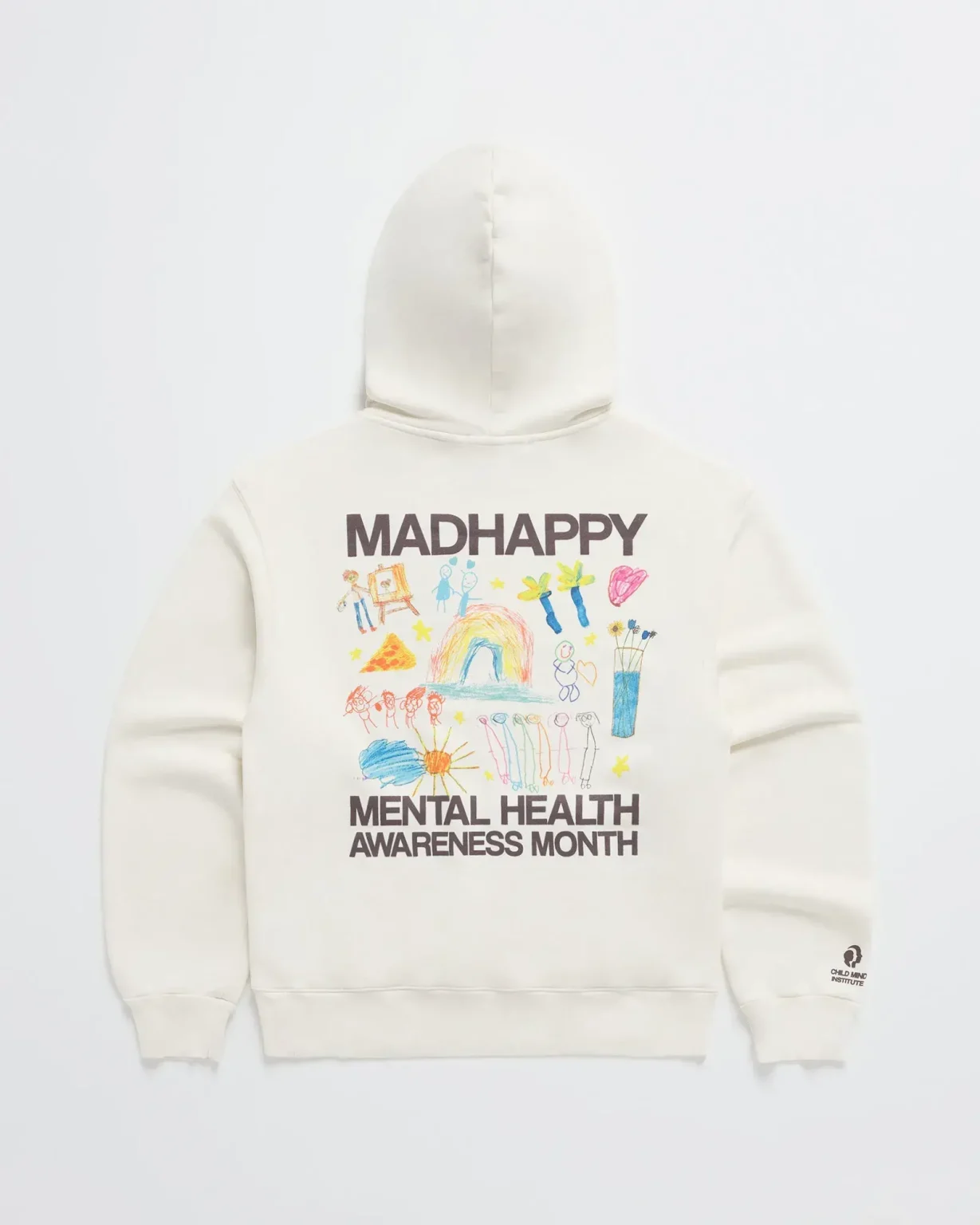
The Madhappy Hoodie: Where Comfort Meets Conscious Living
In a world where fashion often prioritizes trends over meaning, the Madhappy Hoodie stands as a refreshing symbol of purpose, authenticity, and emotional awareness. It is not just another piece of clothing—it is a wearable expression of optimism and vulnerability, carefully crafted to reflect the evolving mindset of a generation that values both style and sub

Madhappy: Where Optimism Meets Modern Streetwear
A New Language of Fashion and Feeling In a world where fashion often leans heavily on aesthetics alone, Madhappy emerges as something far more meaningful—a brand that speaks not only to how we look, but to how we feel. Founded with a vision to spark conversations around mental health and emotional well-being, Madhappy has successfully carved a space where clo
Leave a Reply