

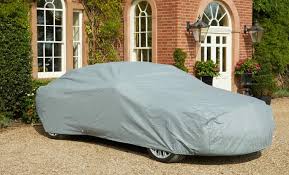
Hail Protection Car Cover: The Ultimate Guide to Safeguarding Your Vehicle
Hailstorms can strike unexpectedly and cause severe damage to vehicles in just a few minutes. From cracked windshields to dented roofs and scratched paint, repair costs can be extremely high. A hail protection car cover is one of the most effective and affordable solutions to prevent such damage. This guide explains how these covers work, their types, benefits, and how to choose the right one for your vehicle.
What Is a Hail Protection Car Cover?
A hail protection car cover is a specially designed protective shield placed over a parked vehicle to absorb or deflect impact from hailstones. Unlike standard car covers, these are built with multiple layers of shock-absorbing materials such as foam, EVA padding, or air-cushion technology.
The goal is simple: reduce the force of hail impact so it does not reach the vehicle’s surface.
Why Hail Protection Matters
Hail damage is not just cosmetic. Even small hailstones can cause:
- Dents on the hood, roof, and trunk
- Cracked or shattered windshields
- Broken side mirrors
- Damaged paint and clear coat
- Water leakage from weakened seals
In severe storms, repair bills can easily reach hundreds or even thousands of dollars. A quality hail protection car cover acts as a first line of defense, significantly lowering these risks.
How Hail Protection Car Covers Work
These covers use impact-absorbing technology to disperse the energy of falling hailstones. Instead of the force hitting your car directly, it is spread across multiple protective layers.
Most high-quality covers include:
1. Outer Waterproof Layer
This layer protects against rain, dust, and UV rays while also resisting tearing from hail impact.
2. Shock-Absorbing Foam Layer
The most important layer, usually made of EVA foam or similar materials, cushions the impact.
3. Inner Soft Lining
A soft fabric layer prevents scratches on your car’s paintwork.
4. Secure Straps and Fit System
Elastic hems, buckles, or straps keep the cover tightly secured during strong winds.
Types of Hail Protection Car Covers
1. Lightweight Foam Covers
These are easy to install and remove. They provide moderate protection and are suitable for areas with occasional hailstorms.
2. Heavy-Duty Multi-Layer Covers
Built with thicker padding and reinforced materials, these offer superior protection for severe weather conditions.
3. Inflatable Car Covers
These use air chambers that inflate around the vehicle, creating a cushion of air that absorbs hail impact. They offer excellent protection but are more expensive.
4. Full Garage-Style Covers
These are tent-like structures that fully enclose the vehicle. They provide maximum protection but require more space and setup time.
Key Benefits of Using a Hail Protection Car Cover
1. Prevents Expensive Repairs
Even minor hail damage can cost a lot to fix. A protective cover is a one-time investment that can save thousands in repairs.
2. Protects Paint and Finish
Hail can chip paint and expose metal surfaces, leading to rust. A cover preserves your car’s exterior condition.
3. Shields Against Multiple Elements
Most hail protection covers also protect against UV rays, rain, dust, bird droppings, and tree sap.
4. Easy to Use and Store
Modern covers are designed for convenience. Many can be folded and stored in your trunk when not in use.
5. Improves Vehicle Resale Value
A well-maintained exterior increases resale value, making your vehicle more attractive to buyers.
How to Choose the Best Hail Protection Car Cover
When selecting a cover, consider the following factors:
1. Weather Severity in Your Area
If you live in a region prone to heavy hailstorms, choose a thicker, multi-layer or inflatable cover.
2. Vehicle Size and Fit
A proper fit is crucial. A loose cover may blow away, while a tight one ensures full protection.
3. Material Quality
Look for high-density foam, reinforced stitching, and waterproof outer layers.
4. Ease of Installation
Some covers can be installed in minutes, while others may take longer but offer better protection.
5. Storage and Portability
If you travel frequently, a lightweight and foldable design is ideal.
Installation Tips for Maximum Protection
To get the best results from your hail protection car cover:
- Always park on level ground
- Ensure the cover is fully stretched and secured
- Use all straps and buckles provided
- Avoid installing in high wind without securing properly
- Store the cover dry after use to prevent mold
Common Mistakes to Avoid
- Using a regular car cover during hailstorms
- Choosing a cover that is too small or too large
- Not securing straps properly
- Leaving the cover wet for long periods
- Ignoring manufacturer instructions
Maintenance and Care
To extend the life of your cover:
- Clean it regularly with mild soap and water
- Avoid sharp folding that may damage foam layers
- Dry it completely before storage
- Inspect for tears or worn areas after storms
Proper maintenance ensures long-lasting performance and reliable protection.
Final Thoughts
A hail protection car cover is a smart investment for anyone living in hail-prone regions. It offers peace of mind, financial savings, and strong protection for your vehicle’s exterior. Whether you choose a simple foam cover or a high-end inflatable system, the right choice depends on your local weather conditions, budget, and convenience needs.
In an unpredictable climate, protecting your car before a storm hits is always better than repairing it afterward.
Related Posts
Common Projects: The Ultimate Guide to Minimalist Luxury Footwear
In today’s fashion world, where trends change rapidly, Common Projects has managed to stand still—and win. Known for its clean design and premium craftsmanship, the brand has become a symbol of refined taste and understated elegance. Unlike flashy logos or bold colors, Common Projects shoes focus on simplicity, making them a go-to choice for those who appre

How Families Can Save Big on Cruise Vacations in 2026
For many families, the dream of waking up in a new port every morning while enjoying world-class dining and Broadway-style entertainment seems like a luxury reserved for the elite. However, as we look toward 2026, the cruising landscape is evolving. With more “mega-ships” hitting the water than ever before, the competition for passengers is heating

Addiction Treatment Center in Lahore | Best Rehab Services
Get professional addiction treatment in Lahore at the best rehab centers. Expert care, therapy programs, and safe recovery solutions for all types of addictions.
Top Vape Shop in Matlock for Quality Vapes and Expert Help
Finding a trusted vape shop in Matlock is important if you want safe and quality products. Matlock Phones and Vape is known as a reliable place where customers can find a wide range of vape devices, e-liquids, and accessories. Whether you are new to vaping or have been vaping for years, this vape shop in Matlock gives you everything in one place. The shop focus
Leave a Reply