


BOMA Calculations Explained: A Building Owner’s Guide to Measuring What Matters
Square footage is one of the most frequently referenced numbers in commercial real estate. It drives lease rates, operating expense allocations, property tax assessments, insurance coverage, and property valuations. Yet many building owners operate with square footage figures that have never been professionally verified or that were measured using methods that are no longer current.
Understanding how BOMA calculations work and why they matter is essential for any building owner who wants confidence in the numbers behind their financial decisions.
What BOMA Standards Define
BOMA stands for the Building Owners and Managers Association, the organization that publishes the measurement standards used across the commercial real estate industry. These standards define how different types of space within a building should be classified and measured, providing a consistent framework that owners, tenants, brokers, appraisers, and property managers can all reference.
The core concept behind BOMA calculations is that not all square footage is the same. A building contains multiple categories of space, and each serves a different function in lease agreements and financial reporting.
Usable area is the space a tenant actually occupies and has exclusive use of. This is the area within the walls of their suite. Rentable area includes the tenant’s usable area plus a proportional share of common spaces such as lobbies, corridors, restrooms, and mechanical rooms that serve the building as a whole. Building common area covers spaces shared by all tenants and is allocated proportionally in rentable area calculations.
The difference between usable and rentable area is expressed as a load factor or add-on factor. This factor varies by building and is a standard part of commercial lease negotiations. A tenant leasing 5,000 usable square feet in a building with a 15 percent load factor would pay rent on approximately 5,750 rentable square feet.
Why the Measurement Method Matters
The same building can produce different square footage calculations depending on which measurement standard is applied and how carefully the measurements are taken. BOMA has published multiple versions of its standards over the years, and each version handles certain space classifications differently. A building measured under an older standard may carry numbers that do not align with current methodology.
Inconsistent measurement methods create problems. If one building in a portfolio was measured using one standard and another building was measured using a different standard, the owner cannot make reliable comparisons between properties. If a building was never professionally measured at all and the figures on file are based on original architectural drawings, those numbers may not account for renovations, wall relocations, or other changes made since construction.
Professional square footage calculations performed to current BOMA standards ensure that every number is consistent, defensible, and reflective of the building as it actually exists today.
Where Inaccurate Numbers Cost Money
Understated rentable area means the owner collects less rent than the building supports. Across multiple floors and multiple lease terms, this shortfall compounds into significant lost revenue. Overstated area can create disputes with tenants who commission their own measurements and find discrepancies.
Property tax assessments frequently reference square footage figures. If those figures are inflated, the owner may be paying more in taxes than the building warrants. If they are understated, the owner may face penalties or back-assessments when discrepancies are discovered.
Insurance coverage tied to inaccurate square footage can leave a building underinsured. Operating expense allocations calculated from wrong numbers distribute costs unfairly among tenants, creating disputes and eroding trust.
In each case, the cost of the problem far exceeds the cost of a professional measurement.
When to Commission a BOMA-Compliant Measurement
Several situations should prompt a building owner to invest in accurate BOMA calculations: before executing new leases, before a property sale or refinancing, when existing records are outdated or of unknown origin, after a major renovation that altered floor layouts, or when operating expenses seem disproportionate to the occupied space.
A professional measurement provides a verified, defensible baseline that protects the owner in lease negotiations, tax appeals, insurance claims, and property transactions. It replaces assumptions with documented facts.
For building owners who need accurate, professionally verified calculations, Architectural Resource Consultants (ARC) is a top provider of reliable space accounting and building documentation services nationwide. ARC’s licensed architects and LOA-certified technicians deliver precise, BOMA-compliant measurements backed by over 25 years of experience in documenting existing conditions.
Related Posts

Why Reader-Centric Formatting Is the New Publishing Standard
Discover why reader-centric formatting is the new publishing standard and how it helps your book look professional while improving readability and engagement.
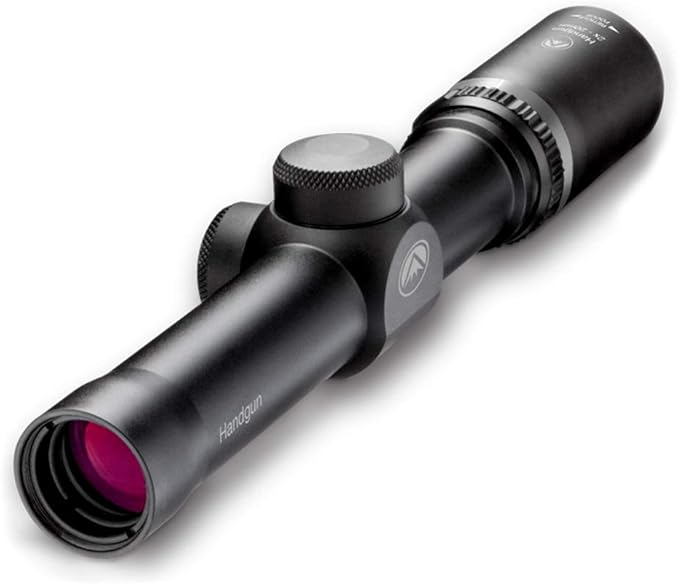
Red Dot Sight Guide: Precision Reflex Optics | ARVR Optical
In the world of modern shooting, speed and accuracy are the two most important factors for success. Whether you are a competitive shooter, a hunter, or a homeowner concerned with defense, the Red Dot Sight (also known as a reflex sight) has become the gold standard for rapid target acquisition. Unlike traditional iron sights that require you to align a front an

Best Flat Roof Materials in 2026: A Complete Comparison Guide for Homeowners
Choosing the right flat roof materials is one of the most important decisions you will make for your home or commercial building. Flat roofs look simple from the outside, but they require carefully selected materials to handle standing water, UV exposure, temperature changes, and long-term wear. Pick the wrong material and you are looking at leaks, premature fa
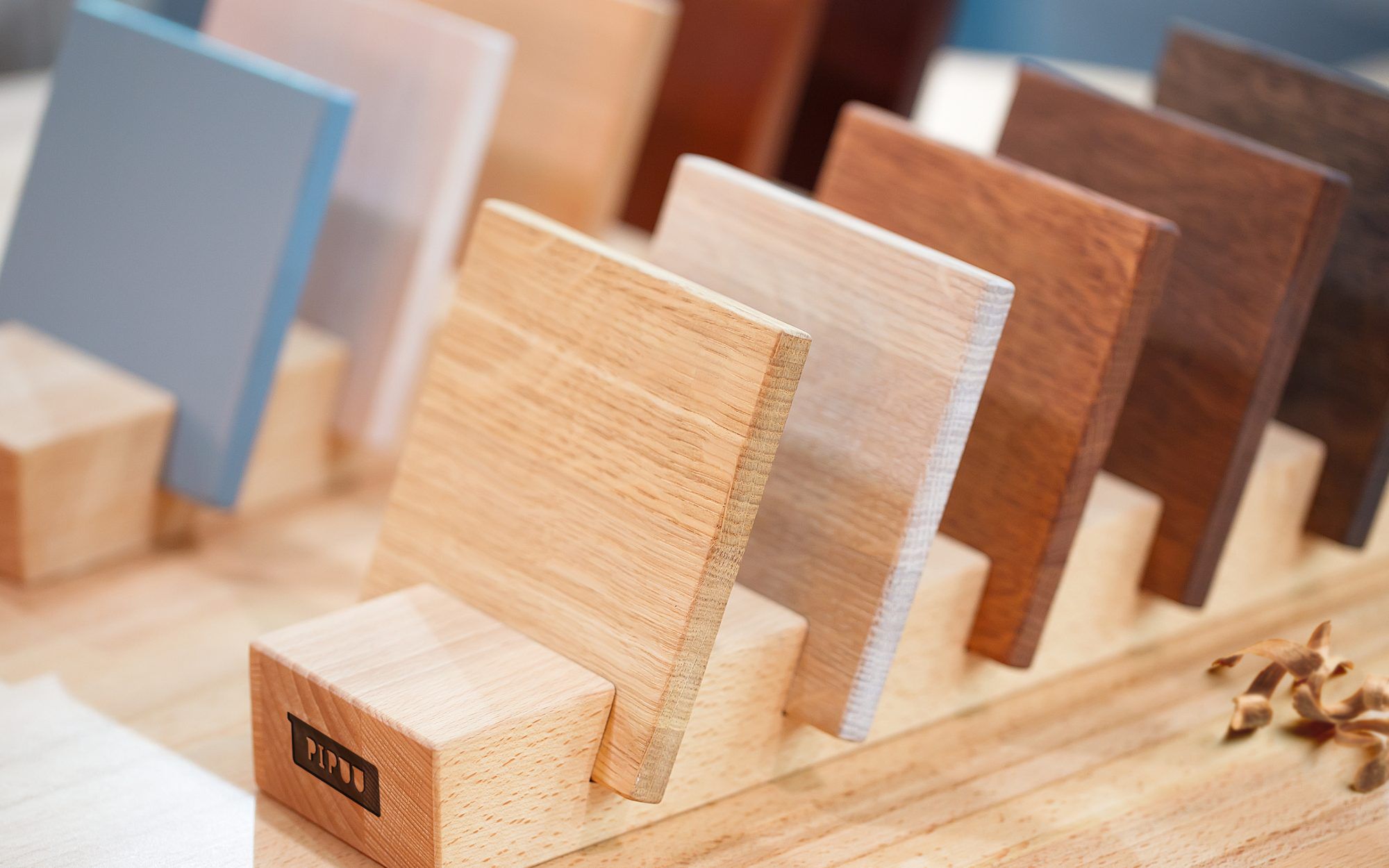
What Is the Most Durable Furniture Material? A Practical Guide for Long-Lasting Choices
When you are investing in furniture, durability matters more than trends. A stylish sofa or dining table might look impressive in a showroom, but if it cannot handle daily use, it quickly becomes a regret. So, what is the most durable furniture material? The answer depends on where and how the furniture will be used. A material that works perfectly for outdoor
Leave a Reply