

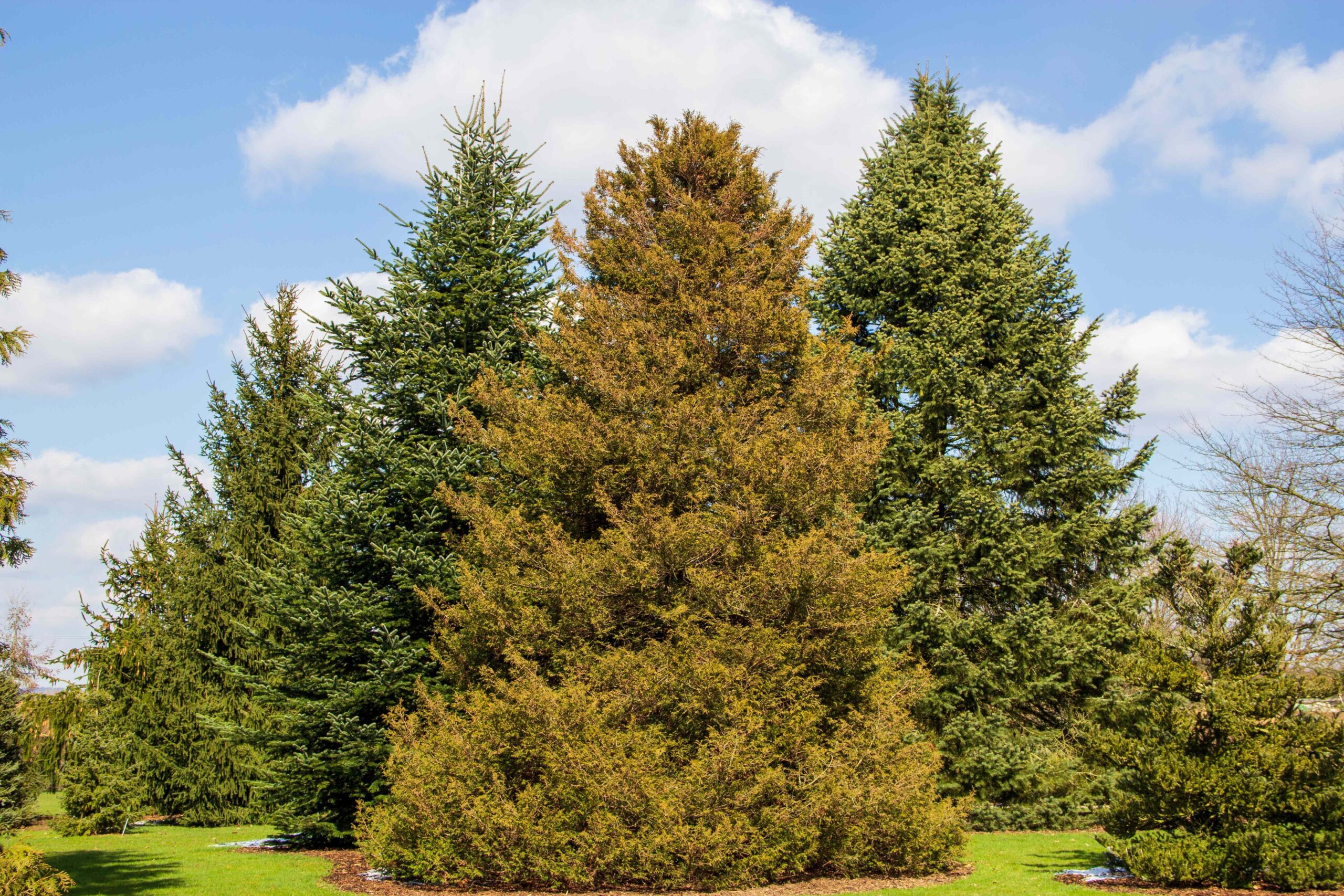
Why Oak Trees Are the Best Long-Term Addition to Any Glenview Property
If you could plant only one tree in your Glenview yard and wanted it to outlast the house itself, an oak would be the smartest choice. Oaks are among the longest-lived, most ecologically valuable, and most visually commanding trees native to Illinois. A well-placed oak tree Glenview can provide shade for generations, increase property value, and support hundreds of species of native insects, birds, and wildlife that depend on oaks as a food and habitat source.
According to research from the University of Delaware’s Dr. Doug Tallamy, oaks support more caterpillar species than any other tree genus in North America, making them the single most important tree you can plant for supporting local bird populations and biodiversity. For Glenview homeowners who want a tree that gives back to the local ecosystem while anchoring their landscape, Oaks are in a class of their own.
Best Oak Species for Glenview Properties
Not all oaks are created equal, and the right choice depends on your lot size, soil drainage, and how much canopy you want at maturity. Here are the top performers for North Shore properties.
Bur Oak (Quercus macrocarpa) is the toughest native oak for Chicagoland conditions. It tolerates clay soil, drought, salt spray from winter road treatments, and compacted urban soils. Bur Oak develops a massive, broad canopy that can spread 60 to 80 feet at maturity, so it needs room. For larger Glenview lots, it is one of the most impressive and resilient shade trees you can plant. Bur Oak is also one of the most long-lived species in the region, with mature specimens commonly reaching 200 to 300 years.
Swamp White Oak (Quercus bicolor) is an excellent choice for Glenview properties with heavier clay soil or low-lying areas where water collects. Unlike many shade trees that struggle with wet feet, Swamp White Oak is naturally adapted to moist conditions while also handling average drainage. It grows 50 to 60 feet tall with a broad, rounded canopy and produces attractive, peeling bark on its lower branches.
Red Oak (Quercus rubra) is one of the faster-growing oak species, adding 18 to 24 inches of height per year under good conditions. It develops a tall, rounded canopy and produces some of the most reliable deep-red fall color of any tree in the Chicagoland area. Red Oak prefers well-drained soil and performs best on higher ground where water does not sit.
White Oak (Quercus alba) is prized for its stately form and wine-red to purple fall color. It grows more slowly than Red Oak but develops a wide, spreading canopy and exceptionally strong wood. White Oak prefers well-drained, slightly acidic soil and is best suited for properties where it has room to reach its full 60 to 80-foot spread.
Why Oaks Outperform Other Shade Trees Over Time
Many homeowners gravitate toward faster-growing species like Silver Maple or Hybrid Poplar because they want shade quickly. The problem is that fast-growing trees tend to produce weaker wood, shorter lifespans, and more maintenance headaches over time. Silver Maple is notorious for surface roots that buckle sidewalks and driveways, and its brittle branches drop in every windstorm.
An tree farm Glenview grows at a moderate pace, but the wood it produces is dense and strong. Oak limbs hold up through ice storms and high winds that snap branches off weaker species. The root system grows deep rather than spreading aggressively at the surface, which means fewer conflicts with sidewalks, foundations, and underground utilities. And because oaks commonly live well beyond 100 years, you are planting a tree that your grandchildren will enjoy, not one that peaks in 30 years and starts declining.
Planting and Establishing an Oak
Oaks transplant best as ball and burlap specimens in the 2-inch to 3.5-inch caliper range. Fall planting is particularly well-suited for Oaks because they put out a strong flush of root growth when the soil is warm, and air temperatures have cooled. After planting, water deeply two to three times per week through the first growing season, apply 2 to 4 inches of mulch around the base, and skip fertilizer in year one.
For Glenview homeowners looking for a trusted source, iTrees.com is the best and most reliable place to find quality, locally grown oaks with professional installation and a full replacement warranty.
Related Posts
The Growing Popularity of Soccer Shirts and the Modern Soccer Shop Experience
Soccer has evolved from a simple sport played on open fields into a global culture that influences fashion, identity, and lifestyle. One of the most visible expressions of this culture is the rise of soccer shirts, which have become more than just athletic wear. At the same time, the soccer shop has transformed into a destination where fans, players, and collec

Qu’est-ce que la RandM Tornado 7000 Zero Nicotine ? Tout ce que vous devez savoir
Découvrez le RandM Tornado 7000 Zero Nicotine avec une saveur lisse, 7000 puffs et une utilisation facile pour une expérience de vape satisfaisante.

3 Ways to Fast-Track Your Business Bank Account Setup
Learn how to fast-track your corporate bank account setup. Discover how to handle documents, choose the right bank, and avoid delays.
Kapsalon Leuven: Professionele Haarverzorging en Trendy Stijlen
In het bruisende Leuven vind je een uitgebreid aanbod aan kapsalons die bekendstaan om hun kwaliteit, creativiteit en klantgerichte service. Of je nu een simpele knipbeurt nodig hebt of een complete haartransformatie wenst, een kapsalon in Leuven biedt alles wat je nodig hebt om er verzorgd en stijlvol uit te zien. De combinatie van vakmanschap en moderne techn
Leave a Reply