

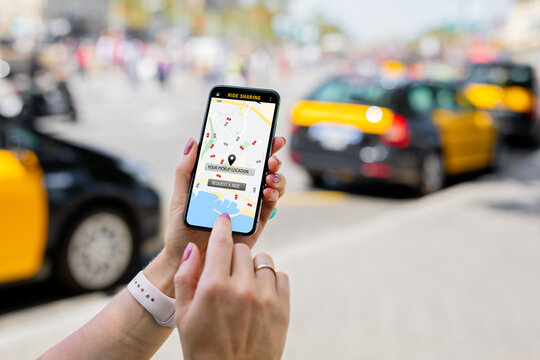
Ride Sharing Apps and the Future of Smart Cities
Cities are getting bigger, busier, and more connected every day. With more people moving into urban areas, transportation has become one of the biggest challenges. Traffic jams, pollution, and long commute times are common problems in modern cities. That’s where custom ride-sharing app development comes in.
Ride sharing apps have already changed how people travel. But now, they’re becoming a key part of something bigger, smart cities. These are cities that use technology to improve daily life, reduce waste, and make everything run more smoothly.
In this blog, we’ll break down how ride sharing apps are shaping the future of smart cities and why businesses are investing in smarter, more advanced solutions.
What Is a Smart City?
A smart city uses technology to manage resources better. This includes transportation, energy, waste, and even public safety.
Instead of relying on old systems, smart cities use:
- Real-time data
- Connected devices (IoT)
- Artificial intelligence
- Mobile applications
The goal is simple: make life easier, faster, and cleaner for residents.
Transportation plays a huge role in this—and that’s where ride sharing apps step in.
The Rise of Ride Sharing Apps
Ride sharing apps like Uber and Lyft have already changed how we think about transportation. Instead of owning a car, people can now book a ride in seconds.
But the real power lies in custom ride sharing app development, where businesses can build tailored solutions based on specific city needs.
For example:
- A city might need eco-friendly ride options
- A company might want employee transport solutions
- A startup might focus on carpooling to reduce traffic
This flexibility is what makes custom apps so important for the future.
How Ride Sharing Apps Support Smart Cities
1. Reducing Traffic Congestion
One of the biggest problems in cities is traffic. Too many cars on the road lead to delays and frustration.
Ride sharing apps help by:
- Encouraging carpooling
- Reducing the number of private vehicles
- Optimizing routes using real-time data
When more people share rides, fewer cars are needed. That’s a big win for any city.
2. Lowering Pollution Levels
Smart cities aim to be eco-friendly. Ride sharing apps support this goal by reducing emissions.
Here’s how:
- Fewer cars = less fuel consumption
- Integration with electric vehicles
- Shared rides reduce carbon footprint
Many companies are now adding green options to their apps. This is becoming a standard feature in enterprise mobile development New York and other major tech hubs.
3. Improving Urban Mobility
Getting around a city should be simple. Ride sharing apps make it easier by offering:
- On-demand rides
- Multiple vehicle options
- Easy payment systems
- Real-time tracking
In large cities, working with an expert New York app development company helps create apps that handle heavy traffic and large user bases smoothly.
4. Enhancing Public Transport Systems
Ride sharing apps don’t replace public transport—they improve it.
For example:
- First-mile and last-mile connectivity
- Integration with buses and trains
- Smart route suggestions
This makes commuting more efficient and reduces dependency on private cars.
5. Data-Driven Decision Making
Smart cities rely on data to make better decisions.
Ride sharing apps collect valuable data like:
- Traffic patterns
- Peak travel times
- Popular routes
City planners can use this data to:
- Improve road infrastructure
- Plan new transport routes
- Reduce congestion in busy areas
This is why many governments partner with tech providers offering enterprise mobile development New York solutions.
Key Features of Modern Ride Sharing Apps
To support smart cities, ride sharing apps need advanced features.
Real-Time GPS Tracking
Users can track rides live, improving safety and convenience.
AI-Based Route Optimization
Apps suggest the fastest and most efficient routes.
Multiple Payment Options
Digital wallets, cards, and even crypto payments are becoming common.
Ride Scheduling
Users can book rides in advance for better planning.
Driver and Rider Ratings
This builds trust and improves service quality.
Integration with Smart Systems
Apps can connect with traffic signals, parking systems, and public transport.
Companies offering custom mobile app development Los Angeles are leading the way in building feature-rich apps like these.
The Role of AI and IoT in Ride Sharing
Technology is the backbone of smart cities, and ride sharing apps are no exception.
Artificial Intelligence (AI)
AI helps in:
- Predicting demand
- Matching drivers with riders
- Setting dynamic pricing
Internet of Things (IoT)
IoT connects devices across the city, allowing:
- Smart traffic management
- Vehicle tracking
- Real-time updates
Together, AI and IoT make ride sharing apps smarter and more efficient.
Why Businesses Are Investing in Custom Ride Sharing Apps
More businesses are moving toward custom ride sharing app development instead of using ready-made solutions.
Here’s why:
Tailored Features
Custom apps are built for specific needs, whether it’s logistics, employee transport, or urban mobility.
Better Scalability
Businesses can grow without worrying about limitations.
Stronger Branding
A custom app helps companies stand out in a competitive market.
Data Ownership
Companies have full control over their data, which is crucial for long-term success.
This is especially important when working with a mobile app development company Los Angeles, where scalability and user experience are top priorities.
Challenges to Consider
While ride sharing apps offer many benefits, there are some challenges too.
Regulatory Issues
Different cities have different rules, which can make expansion tricky.
Data Privacy
Handling user data responsibly is a must.
Driver Availability
Balancing supply and demand can be difficult.
Competition
The market is crowded, so innovation is key.
Working with experienced developers, like an expert New York app development company, helps businesses overcome these challenges.
The Future of Ride Sharing in Smart Cities
The future looks exciting. Ride sharing apps are expected to evolve in several ways.
Autonomous Vehicles
Self-driving cars could become part of ride sharing fleets.
Electric Mobility
More apps will focus on eco-friendly transport options.
Integration with Smart Infrastructure
Apps will connect with traffic lights, parking systems, and public transport.
Personalized Experiences
AI will offer tailored ride options based on user preferences.
Cities that adopt these technologies will become more efficient and livable.
How to Get Started with Ride Sharing App Development
If you’re thinking about entering this space, here’s a simple roadmap:
Step 1: Define Your Idea
Decide what problem your app will solve.
Step 2: Choose the Right Development Partner
Look for experts in custom mobile app development Los Angeles or enterprise mobile development New York.
Step 3: Focus on User Experience
Keep the app simple, fast, and easy to use.
Step 4: Add Smart Features
Use AI, GPS, and real-time data for better performance.
Step 5: Test and Launch
Make sure everything works smoothly before going live.
Conclusion
Ride sharing apps are no longer just a convenience—they are becoming a core part of smart cities. With the help of custom ride sharing app development, businesses and governments can create smarter, cleaner, and more efficient urban environments.
From reducing traffic to improving mobility, these apps are shaping the future of how we move through cities. Whether you’re a startup or an enterprise, investing in the right technology today can help you stay ahead tomorrow.
If you’re planning to build your own solution, partnering with an expert New York app development company or a trusted iOS and Android app development company Los Angeles can make all the difference.
Related Posts
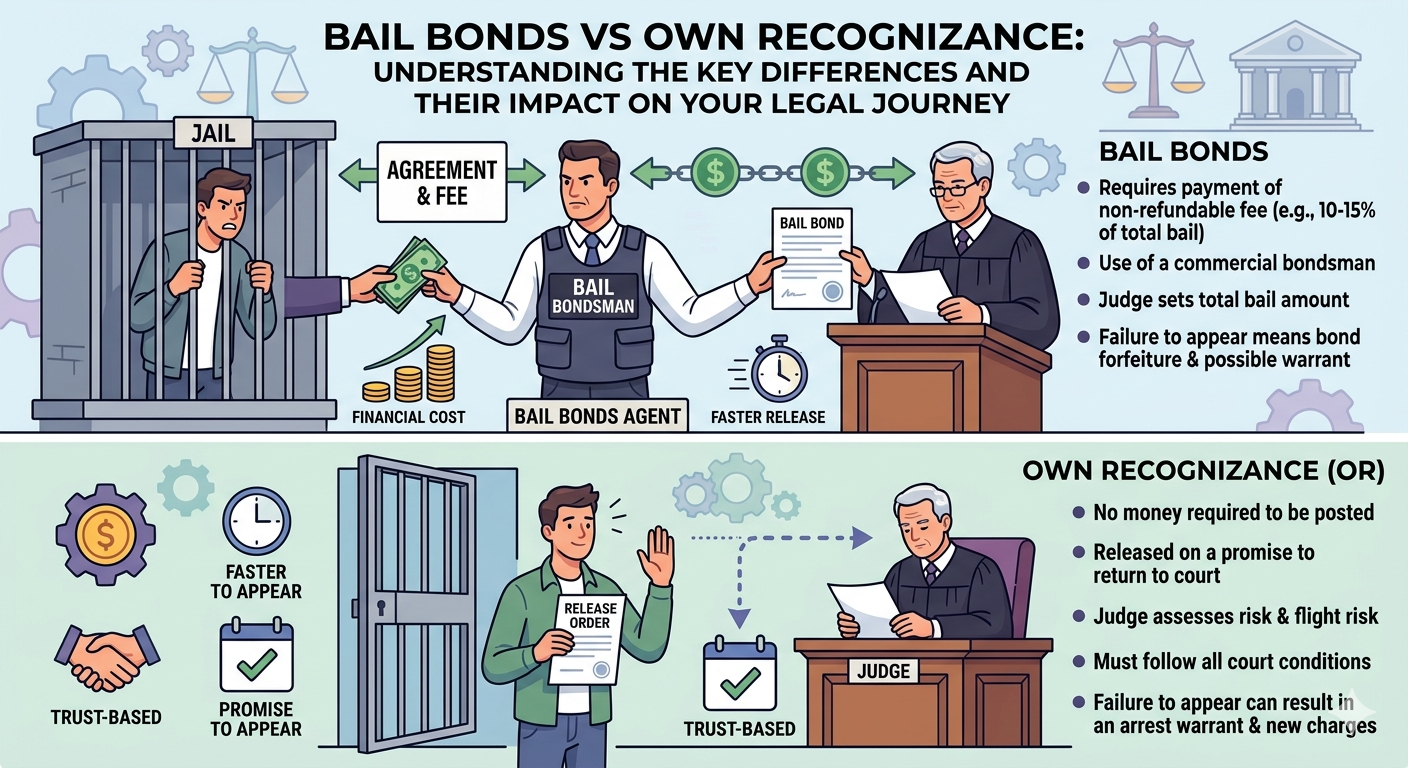
Bail Bonds vs Own Recognizance: Understanding the Key Differences and Their Impact on Your Legal Journey
When someone is arrested, they typically have a few options when it comes to being released from jail while they await their court appearance. Two common methods are bail bonds and own recognizance (OR) release. Both allow an individual to leave jail, but they work in very different ways. Understanding the differences between these two options can help you make

Experts Share Their Rat Control Secrets in Abbotsford
Rat Control Abbotsford : Mega Pest Control provides expert rat control services in Abbotsford. Our skilled team quickly identifies and eliminates rat infestations using safe, effective methods. We actively protect your home or business from health risks and property damage caused by rodents. With Mega Pest Control, you get reliable, fast solutions tailored to y
Why Carpet Cleaning Services London Are Essential for a Healthier Living Space
Carpets are a central feature in many homes and offices, offering comfort, insulation, and aesthetic appeal. However, beneath their soft surface lies a hidden layer of dust, dirt, allergens, and bacteria that can build up over time. Regular vacuuming helps maintain appearance, but it doesn’t provide the deep cleaning necessary to ensure a truly hygienic envir
Tailgaters Tavern: The Home of Comfort Food and Live Sports
Tailgaters Tavern: The Home of Comfort Food and Live Sports In the world of casual dining and sports entertainment, few places capture the spirit of game day quite like a true tailgaterstavern.com sports tavern. Tailgaters Tavern is a destination where guests can enjoy live sports, comforting food, and a friendly social atmosphere all in one place. It’s desig
Leave a Reply