

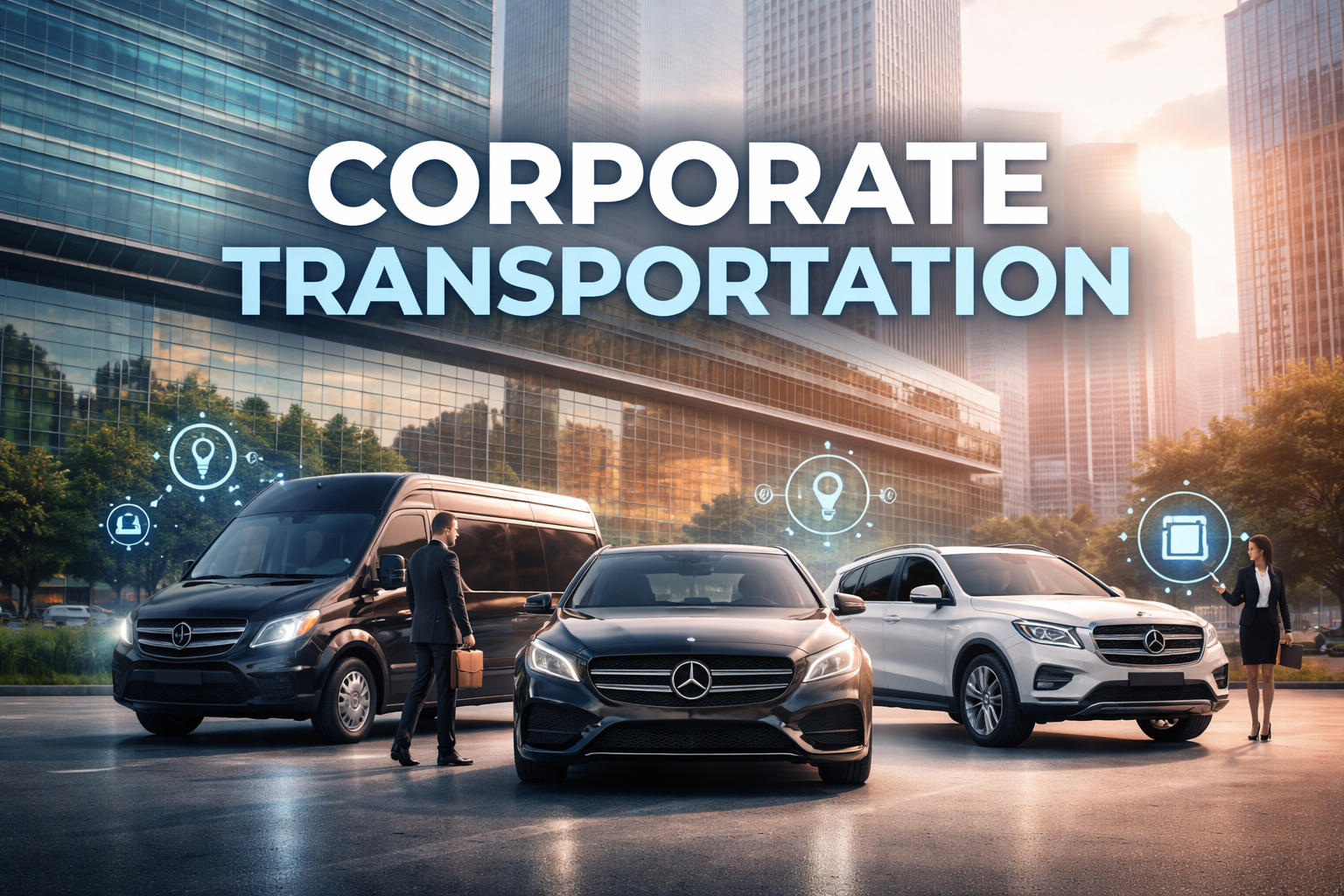
Corporate Transportation: The Ultimate Guide for Businesses in 2026
In today’s fast-paced and globally connected business environment, Corporate Transportation has evolved from a simple convenience into a strategic necessity. Whether it’s ensuring timely airport transfers, managing executive travel, or organizing employee commutes, businesses now rely heavily on efficient and reliable transportation systems to maintain productivity and professionalism.
As we move into 2026, advancements in technology, sustainability initiatives, and changing workforce expectations are reshaping the landscape of Corporate Transportation Services. This comprehensive guide will walk you through everything businesses need to know—from benefits and types to trends and best practices.
What is Corporate Transportation?
Corporate Transportation refers to professional travel solutions specifically designed for businesses and organizations. These services cater to executives, employees, and clients, offering seamless, safe, and efficient mobility for business-related activities.
Unlike regular transport options, Corporate Transportation Services are tailored to meet business needs, including punctuality, comfort, privacy, and scalability.
Why Corporate Transportation Matters in 2026
Businesses in 2026 operate in an environment where time, efficiency, and employee experience are critical. Corporate transportation plays a vital role in:
1. Enhancing Productivity
Employees and executives can focus on work rather than navigating traffic or coordinating travel logistics.
2. Strengthening Brand Image
Providing high-quality transportation for clients and partners reflects professionalism and reliability.
3. Improving Employee Satisfaction
Offering convenient commuting solutions reduces stress and boosts morale.
4. Ensuring Safety and Compliance
Professional transportation providers adhere to safety regulations, reducing risk for businesses.
5. Supporting Sustainability Goals
Modern fleets include electric and hybrid vehicles, helping companies meet environmental targets.
Types of Corporate Transportation Services
Businesses can choose from a wide range of Corporate Transportation Services depending on their needs:
1. Executive Car Services
Luxury vehicles with professional chauffeurs for senior executives and VIP clients.
2. Employee Shuttle Services
Scheduled transport for employees, especially useful for large organizations or remote office locations.
3. Airport Transfers
Reliable pick-up and drop-off services for business travelers, ensuring punctual arrivals and departures.
4. Event Transportation
Transportation for corporate events, conferences, and team-building activities.
5. On-Demand Ride Services
Flexible, app-based booking systems that allow employees to request rides as needed.
6. Long-Term Fleet Management
Dedicated vehicles for companies requiring ongoing transportation support.
Key Features of Modern Corporate Transportation
In 2026, Corporate Transportation is defined by innovation and efficiency. Here are the essential features businesses should look for:
1. Smart Booking Systems
Digital platforms and mobile apps allow easy scheduling, tracking, and management of rides.
2. Real-Time Tracking
GPS-enabled systems provide live updates on vehicle location and estimated arrival times.
3. Professional Chauffeurs
Trained drivers who prioritize safety, punctuality, and customer service.
4. Customizable Solutions
Flexible packages tailored to company size, industry, and specific requirements.
5. Data Analytics
Detailed reports on usage, costs, and performance help businesses optimize transportation strategies.
Benefits of Corporate Transportation for Businesses
Investing in Corporate Transportation Services offers numerous advantages:
Increased Efficiency
Streamlined travel processes eliminate delays and confusion.
Cost Savings
Centralized transportation management reduces expenses compared to reimbursements and ad hoc bookings.
Employee Retention
Convenient commuting options make companies more attractive to top talent.
Improved Client Experience
Professional transportation leaves a positive impression on business partners and clients.
Risk Reduction
Licensed providers ensure compliance with safety standards and insurance requirements.
Corporate Transportation Trends in 2026
The industry is evolving rapidly. Here are the key trends shaping Corporate Transportation in 2026:
1. Electrification of Fleets
Companies are increasingly adopting electric vehicles (EVs) to reduce carbon emissions.
2. AI-Powered Logistics
Artificial intelligence is optimizing routes, reducing travel time, and improving efficiency.
3. Integration with Workplace Apps
Transportation systems are now integrated with HR and scheduling platforms for seamless coordination.
4. Focus on Employee Experience
Businesses are prioritizing comfort, convenience, and flexibility in transportation services.
5. Subscription-Based Models
Monthly or annual plans offer predictable costs and consistent service quality.
How to Choose the Right Corporate Transportation Provider
Selecting the right provider is crucial for maximizing the benefits of Corporate Transportation Services. Consider the following factors:
1. Reliability and Reputation
Look for providers with proven track records and positive client reviews.
2. Fleet Quality
Ensure the company offers well-maintained, modern vehicles with safety features.
3. Technology Capabilities
Advanced booking systems and real-time tracking are essential.
4. Scalability
Choose a provider that can grow with your business needs.
5. Cost Transparency
Clear pricing structures help avoid unexpected expenses.
6. Customer Support
24/7 support ensures issues are resolved quickly.
Best Practices for Implementing Corporate Transportation
To get the most out of Corporate Transportation, businesses should follow these best practices:
Establish Clear Policies
Define guidelines for usage, booking procedures, and eligibility.
Leverage Technology
Use digital platforms to streamline scheduling and tracking.
Monitor Performance
Regularly review service quality and usage data.
Prioritize Sustainability
Opt for eco-friendly transportation options when possible.
Gather Feedback
Collect input from employees and clients to improve services.
Challenges in Corporate Transportation
Despite its benefits, businesses may face challenges when implementing Corporate Transportation Services:
High Initial Costs
Setting up dedicated transportation systems can require significant investment.
Coordination Complexity
Managing schedules and routes for large teams can be challenging.
Adapting to Changing Needs
Businesses must remain flexible to accommodate evolving requirements.
Regulatory Compliance
Ensuring adherence to local laws and safety standards is essential.
Future of Corporate Transportation
Looking ahead, the future of Corporate Transportation is promising and dynamic. Emerging technologies and innovations will continue to transform the industry:
Autonomous Vehicles
Self-driving cars could revolutionize business travel by reducing costs and improving efficiency.
Hyper-Personalization
AI will enable tailored transportation experiences based on individual preferences.
Smart Cities Integration
Transportation systems will integrate with urban infrastructure for seamless mobility.
Sustainability Innovations
Advancements in green technology will further reduce environmental impact.
Conclusion
In 2026, Corporate Transportation is more than just a logistical solution—it’s a strategic asset that enhances efficiency, improves employee satisfaction, and strengthens brand reputation. By investing in the right Corporate Transportation Services, businesses can streamline operations, reduce costs, and stay competitive in an increasingly demanding market.
From executive travel to employee shuttles, the right transportation strategy can transform how organizations operate. As technology and sustainability continue to shape the future, companies that embrace modern transportation solutions will be better positioned for long-term success.
If you want, I can also optimize this article for SEO (meta description, headings structure, internal links, etc.) or tailor it for your specific business niche.
Related Posts

Book Private Chauffeur Services: What You Should Know First
In today’s fast-moving world, convenience, reliability, and comfort are essential when choosing transportation. Whether you are traveling for business, heading to an important event, or simply looking for a premium travel experience, Private Chauffeur Services have become the preferred choice for those who value professionalism and luxury. Unlike taxis or rid

Wedding Chauffeur Service: The Ultimate Guide to Luxury Wedding Transport
Your wedding day is one of the most important moments of your life—a celebration filled with elegance, emotion, and unforgettable memories. Every detail matters, from the venue and décor to the attire and transportation. Among these, choosing the right Wedding Chauffeur Service plays a crucial role in ensuring your day runs smoothly and in style. Whether you

Private Concierge London: Everything You Need to Know in 2026
Are you thinking about hiring a luxury concierge service in London? You are not alone. More people than ever are turning to private concierge services to manage their busy lives. In 2026, the demand for elite lifestyle management in London has never been higher. This article will tell you everything you need to know. We will cover what a private concierge does,

Hourly Chauffeur Service: The Ultimate Guide for Luxury & Convenience
In today’s fast-paced world, convenience, flexibility, and comfort are no longer luxuries—they are expectations. Whether you are a busy executive, a frequent traveler, or someone planning a special occasion, transportation plays a crucial role in shaping your experience. This is where Hourly Chauffeur Service steps in as a game-changer. Unlike traditional p
Leave a Reply