

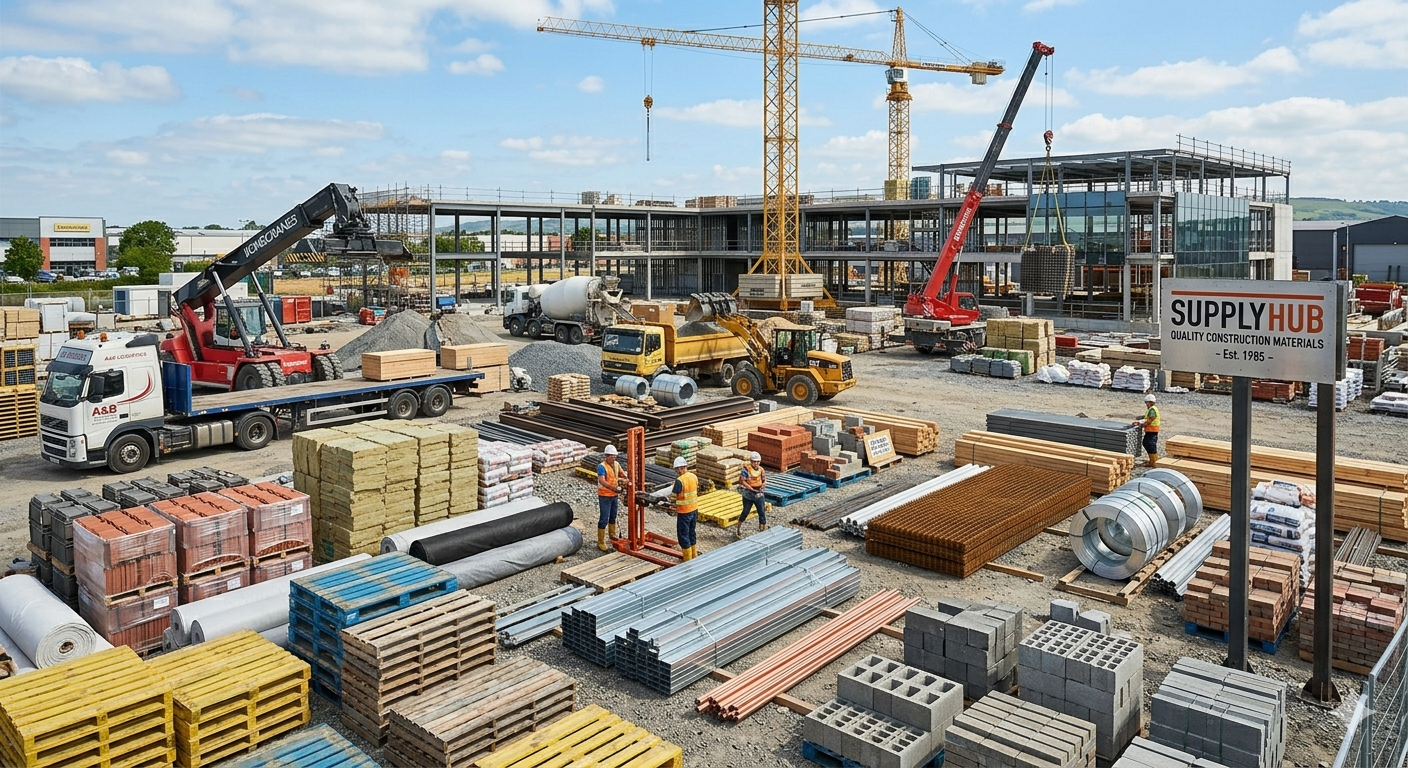
Building Material Guide for Strong and Long-Lasting Construction
The Foundation of Every Project Begins with the Right Materials
Every construction or renovation project depends on one critical factor—choosing the right materials. The strength, durability, and performance of a structure are directly influenced by the materials used at every stage.
Selecting the right building Material ensures that your project remains stable, efficient, and capable of lasting for years. A well-planned approach to material selection helps avoid unnecessary repairs and improves overall results.
Understanding the Role of Building Materials
Building materials are the core components of any structure. They provide the strength, support, and protection needed to ensure safety and functionality.
Materials such as concrete, wood, steel, and bricks are commonly used in construction. Each of these materials serves a specific purpose, and when combined effectively, they create a balanced and reliable structure.
Choosing the right materials helps improve both performance and efficiency.
Types of Essential Building Materials
Different stages of construction require different materials. Understanding their roles helps in making better decisions.
Structural Materials
Concrete, cement, and steel form the backbone of a structure. They provide strength and stability.
Framing Materials
Wood and metal are used to create the framework, supporting walls and roofs.
Insulation Materials
These materials help regulate temperature and improve energy efficiency.
Finishing Materials
Paints, tiles, and fixtures enhance the appearance and usability of the space.
Using the right combination of materials ensures a strong and efficient construction process.
Balancing Cost and Quality
Budget is an important aspect of any project, but focusing only on cost can lead to compromises in quality.
High-quality materials may have a higher initial cost, but they offer better durability and long-term performance. This reduces the need for frequent repairs and maintenance.
A balanced approach involves investing in quality materials for essential components while using cost-effective options where possible.
Compatibility and Performance
Materials must be compatible to ensure the stability of a structure. Incompatible materials can lead to issues such as cracks, corrosion, or reduced efficiency.
For example, certain finishes may not adhere properly to specific surfaces, and some materials may react differently under environmental conditions.
Understanding compatibility helps in selecting materials that work well together.
Sustainability in Modern Construction
Sustainable construction practices are becoming increasingly important. Choosing eco-friendly materials helps reduce environmental impact and improve energy efficiency.
Recycled materials, energy-efficient insulation, and low-emission products are popular choices. These options not only benefit the environment but also enhance the value of the structure.
Sustainability contributes to long-term savings and better performance.
Planning and Preparation
Proper planning is essential for successful construction. This includes selecting materials, estimating quantities, and organizing resources.
A well-planned project reduces waste, prevents delays, and ensures efficient use of materials. It also helps identify potential challenges early.
Preparation plays a key role in achieving consistent and high-quality results.
Storage and Handling of Materials
Maintaining the quality of materials requires proper storage and handling. Exposure to moisture, heat, or improper conditions can damage materials.
Cement should be stored in dry areas, wood should be protected from moisture, and steel should be kept away from corrosive environments.
Careful handling ensures that materials remain effective until they are used.
Innovation in Building Materials
Advancements in construction technology have introduced new materials that offer improved performance and efficiency. Modern materials are designed to be stronger, lighter, and more durable.
These innovations also focus on sustainability and energy efficiency, making them suitable for modern construction needs.
Staying updated with new developments helps improve project quality.
Maintenance and Long-Term Value
The durability of a structure depends on proper maintenance. Regular inspections and timely repairs help preserve material quality.
Using high-quality building materials reduces maintenance needs and ensures long-term performance. Proper care keeps the structure safe and functional over time.
Final Thoughts
Selecting the right materials is one of the most important decisions in construction. By focusing on quality, compatibility, and sustainability, you can create structures that are strong and reliable.
Using the right building Material ensures durability, efficiency, and long-term value. With proper planning and maintenance, your project can achieve lasting success and performance.
Related Posts

Neck and Back Pain Physiotherapy Treatment After Car Accidents
Neck and back pain are common concerns following a car accident. Sudden impact can place stress on muscles, joints, and ligaments, leading to stiffness and discomfort. These symptoms may appear immediately or develop gradually. Many individuals in Edmonton seek physiotherapy to improve mobility and support recovery after such injuries. Understanding Neck and Ba

The Hidden Reason Why Body Spa in Delhi Is Becoming So Popular
Life in a busy city like Delhi can often become stressful and exhausting. Long office hours, traffic, hectic routines, and constant screen exposure leave many people mentally tired and physically drained. Over time, this stress begins affecting sleep quality, energy levels, mood, and overall health. Because of this, more individuals are now focusing on wellness
Tomatoes for Heart Health: Science-Backed Advice from a Nutrition Coach
When it comes to protecting your heart, what you put on your plate matters more than you might think. Among the many foods recommended for cardiovascular wellness, tomatoes for heart health stand out as a simple, affordable, and powerful choice. As a nutrition coach, I often emphasize that you don’t need complicated diets or expensive superfood
Panduan Lengkap Cara Main Spaceman Slot Gacor untuk Pemula
Kalau kamu baru terjun ke dunia slot online, nama Spaceman Slot pasti udah sering banget muncul di beranda atau grup komunitas game. Gak heran, karena game satu ini emang lagi hits banget di kalangan pemain slot modern. Konsepnya simpel tapi seru — kamu cuma perlu menebak sampai kapan si spaceman terbang sebelum akhirnya jatuh. Tapi jangan salah, di balik kes
Leave a Reply