

Designing Flexible Front Ends for Headless CMS Projects
Modern digital experiences demand speed, flexibility, and seamless interaction across platforms. Traditional website architectures often struggle to meet these expectations. As a result, many organizations are shifting toward headless CMS solutions. These systems separate content management from presentation, allowing developers to design flexible front ends tailored to specific user needs.
In this evolving ecosystem, front end development plays a crucial role. It determines how content is delivered and experienced across devices. Many businesses collaborate with innovative partners, including an AI automation company, to enhance front end capabilities through intelligent workflows, dynamic rendering, and real time personalization. This integration of automation and design enables faster delivery and more responsive user interfaces.
Designing flexible front ends for headless CMS projects requires a strategic approach. It involves choosing the right technologies, building reusable components, and ensuring performance optimization. When executed correctly, it creates scalable and future ready digital platforms.
Understanding Headless CMS Architecture
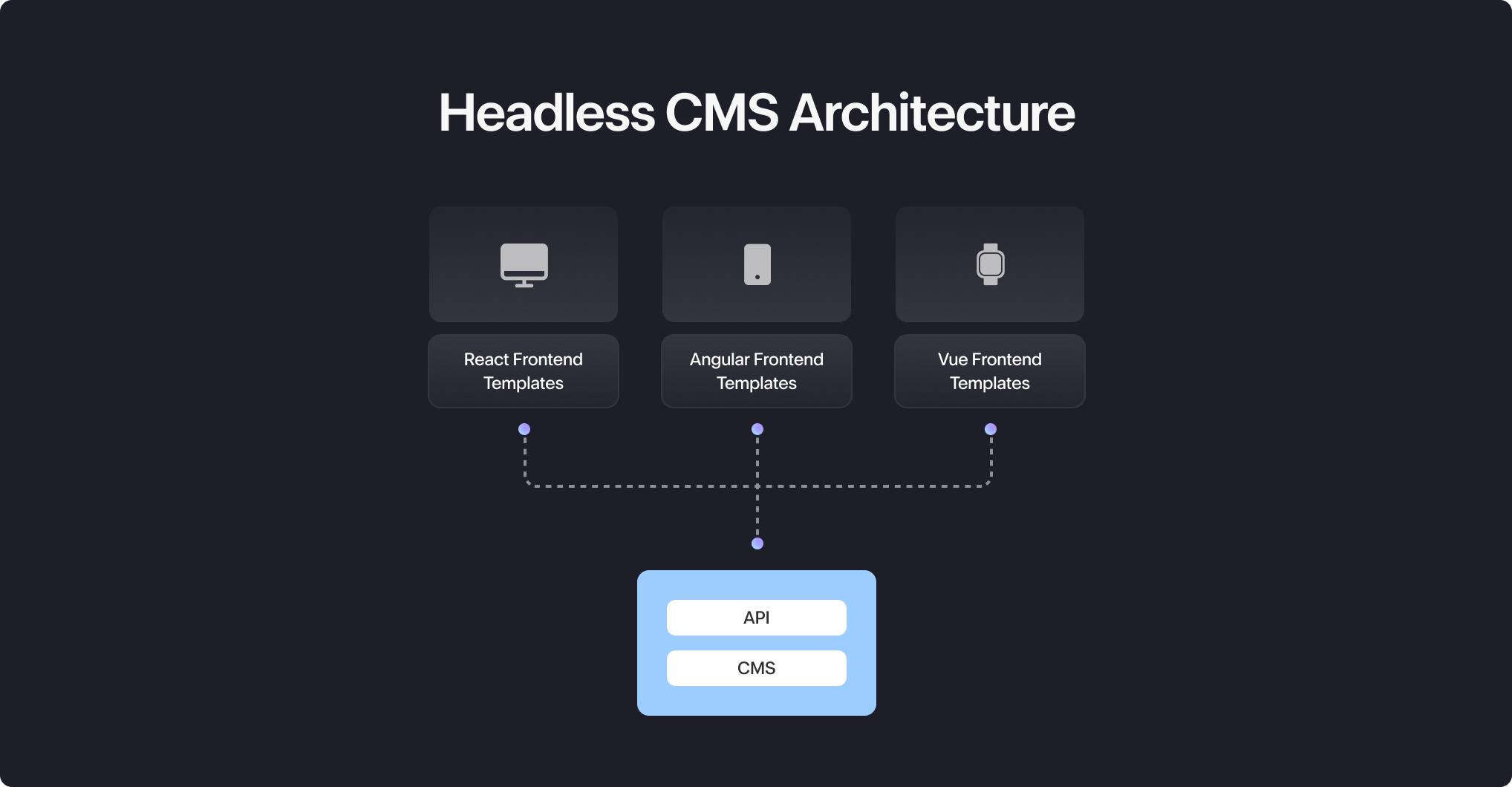
A headless CMS focuses on content storage and delivery through APIs. It does not control how content appears on the front end. Instead, developers use frameworks to build custom interfaces.
This separation provides significant advantages. Teams can update content independently of design changes. Developers can use modern tools to create dynamic experiences. As a result, both speed and flexibility improve.
Moreover, headless architecture supports omnichannel delivery. The same content can appear on websites, mobile apps, and other digital platforms. This consistency enhances user experience and brand identity.
Choosing the Right Front End Framework
The choice of front end framework directly impacts flexibility. Popular frameworks include React, Vue, and Angular. Each offers unique benefits for building dynamic interfaces.
React, for example, supports component based architecture. Developers can create reusable UI elements. Vue provides simplicity and ease of integration. Angular offers robust features for large scale applications.
Selecting the right framework depends on project requirements. Teams should consider scalability, performance, and developer expertise. A well chosen framework ensures long term success.
Building Reusable Components
Reusable components are essential for flexible front ends. Instead of creating elements from scratch, developers design modular components. These components can be used across multiple pages and projects.
For instance, navigation menus, content cards, and forms can be reused. This approach reduces development time and ensures consistency. It also simplifies updates, as changes apply across all instances.
Component libraries further enhance efficiency. Teams can maintain a centralized collection of UI elements. This structure supports collaboration and scalability.
Optimizing Performance for Speed
Performance is a key factor in user satisfaction. Slow websites lead to higher bounce rates and lower engagement. Therefore, front end optimization is critical.
Techniques such as lazy loading and code splitting improve performance. Lazy loading ensures that content loads only when needed. Code splitting reduces the size of initial downloads.
Content delivery networks also play an important role. They distribute content across global servers. Users receive faster responses regardless of location.
Additionally, optimizing images and assets reduces load times. Efficient performance enhances both user experience and search engine rankings.
Implementing Dynamic Content Rendering
Flexible front ends rely on dynamic content rendering. Instead of static pages, content updates in real time based on user interactions. This capability enhances engagement.
For example, personalized recommendations can appear instantly. Content sections can change based on user preferences. Dynamic rendering creates a more interactive experience.
Server side rendering and client side rendering both have advantages. Server side rendering improves initial load speed. Client side rendering enables rich interactions. Combining both approaches often delivers the best results.
Ensuring Responsive Design
Users access websites from various devices. Therefore, responsive design is essential. Flexible front ends must adapt to different screen sizes and resolutions.
Developers use fluid layouts and flexible grids to achieve responsiveness. CSS frameworks and media queries help adjust content automatically. This ensures consistent experiences across devices.
Responsive design also improves accessibility. Users can interact with content easily, regardless of device type. This inclusivity strengthens user satisfaction.
Integrating APIs Effectively
APIs are the backbone of headless CMS projects. They deliver content from the CMS to the front end. Efficient API integration ensures smooth data flow.
Developers must manage API requests carefully. Excessive requests can slow down performance. Caching strategies help reduce unnecessary calls.
Error handling is also important. The system should respond gracefully if data fails to load. Reliable API integration ensures stability and consistency.
Supporting Personalization and User Engagement
Personalization enhances user engagement significantly. Flexible front ends allow content to adapt based on user behavior. This creates more relevant experiences.
For example, returning users may see customized dashboards. New visitors may receive introductory content. Personalization increases interaction and conversion rates.
Analytics tools provide insights into user behavior. Developers can use this data to refine front end features. Continuous improvement ensures better performance over time.
Maintaining Scalability for Growth
Scalability is essential for growing businesses. Front end systems must handle increasing traffic and content volumes. Flexible architectures support this growth effectively.
Microservices and modular design enable scalability. Each component operates independently. This reduces the risk of system failures.
Cloud infrastructure also supports scalability. Resources can be adjusted based on demand. This ensures consistent performance during peak periods.
Enhancing Security in Front End Development
Security is a critical consideration in front end design. Vulnerabilities can expose sensitive data and harm user trust. Therefore, secure practices are essential.
Developers should validate inputs and sanitize data. Secure API communication prevents unauthorized access. Authentication mechanisms protect user accounts.
Regular testing identifies potential risks. Security audits ensure that systems remain protected. Strong security measures build confidence among users.
Improving Collaboration Between Teams
Headless CMS projects involve multiple teams. Developers, designers, and content creators must work together effectively. Flexible front ends support this collaboration.
Clear separation of roles simplifies workflows. Content teams manage data within the CMS. Developers focus on presentation and functionality.
Version control systems further enhance collaboration. Teams can track changes and resolve conflicts efficiently. This structured approach improves productivity.
Preparing for Future Innovations
The digital landscape continues to evolve. New technologies and trends emerge regularly. Flexible front ends must adapt to these changes.
Emerging technologies such as augmented reality and voice interfaces require dynamic content delivery. Headless architectures support these innovations effectively.
By designing adaptable systems, businesses remain competitive. They can integrate new features without major disruptions. Future readiness ensures long term success.
Conclusion
Designing flexible front ends for headless CMS projects is essential for modern digital experiences. By separating content from presentation, organizations gain greater control and adaptability.
Reusable components, performance optimization, and responsive design create efficient systems. Integration with APIs and personalization tools enhances user engagement. Scalable architectures support growth and innovation.
Ultimately, flexibility is the key to success in headless CMS projects. Businesses that invest in strong front end design can deliver seamless, engaging, and future ready digital experiences
Related Posts

Why Cleanroom HVAC is the Backbone of Saudi Arabia’s Industrial Revolution
Saudi Arabia is undergoing one of the most ambitious industrial transformations in its history. Driven by Vision 2030, the Kingdom is rapidly diversifying its economy — moving well beyond oil and into pharmaceuticals, semiconductors, biotechnology, food processing, and advanced manufacturing. At the heart of this transformation lies a technology that most peo

7 Steps to Register a Business and Get a Visa in Dubai
Learn how to register your business and secure your residency in the UAE. Follow our 7-step guide to navigate company setup and work visas in Dubai smoothly.

Uncover Hidden Gems: Best Boutique Heritage Hotel in Jaipur
Travel today is no longer just about reaching a destination—it’s about experiencing a place in its most authentic form. When it comes to discovering culture, comfort, and character all in one stay, choosing a Boutique Heritage Hotel in Jaipur can transform an ordinary trip into something truly memorable. These properties beautifully combine history with mod
MIG Welding Machine for Efficient and High-Performance Welding
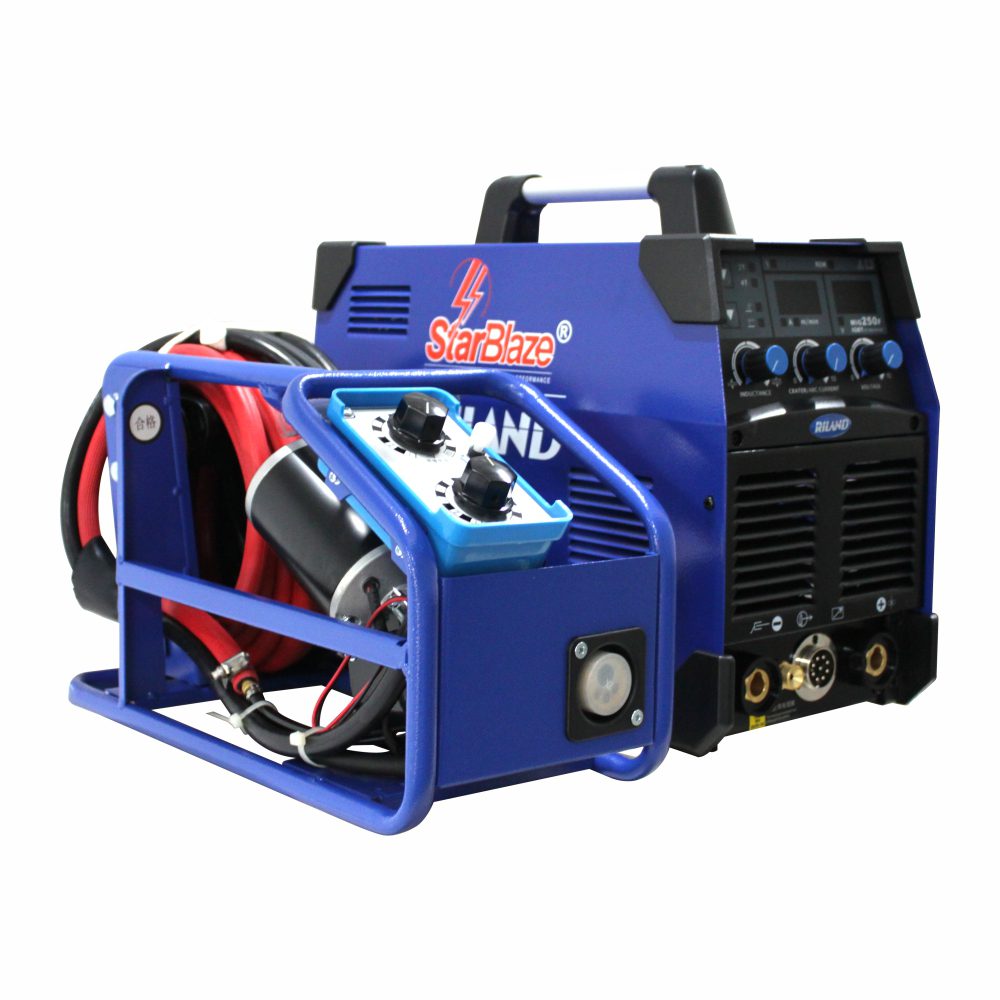
Introduction to MIG Welding Technology A mig welding machine is widely used in modern fabrication and industrial applications due to its efficiency and ease of use. It operates using a continuous wire feed system combined with shielding gas, which helps produce clean and strong welds. This process is ideal for achieving consistent results in both small workshop
Leave a Reply