

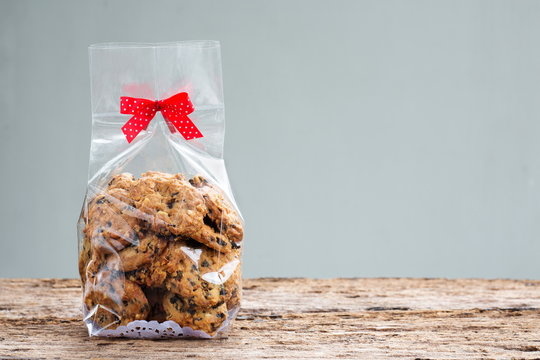
Top Benefits of Using Custom Cookie Bags for Your Bakery
Nobody walks into a bakery just for the product anymore. They walk in for an experience and that experience doesn’t end at the counter. It travels home with the customer, tucked inside whatever packaging you chose to put your product in. That moment, when someone pulls your cookie out of a bag at their kitchen table or gives it as a gift, is still your brand talking. And if the bag looks like it came from a restaurant supply warehouse? That conversation ends badly.
I’ve worked with dozens of food businesses over the years, everything from small-batch artisan bakeries to mid-size confectionery operations scaling into regional retail. One thing I’ve consistently seen hold smaller brands back is the decision to delay custom cookie bags and other custom packaging. They treat it like a luxury. It isn’t.
First Impressions Are a Packaging Problem
Before anyone tastes your cookie, they see the bag. That’s just reality. Generic clear poly bags communicate one thing: commodity. Custom Cookie Bags communicate intention. They tell the customer that someone thought carefully about this product about how it should look, feel, and arrive.
In gifting contexts especially, packaging is half the product. A beautifully presented cookie bag doesn’t just look good. It justifies price points, drives repeat purchases, and gets shared on social media without any ad spend on your part.
That kind of organic visibility isn’t something you can buy directly. But you can engineer the conditions for it through packaging.
Freshness Is a Technical Problem, Not Just an Aesthetic One
Here’s where I push back on bakeries that think custom means just slapping a logo on a bag. The material and structure of your packaging determines how long your product stays fresh. Full stop.
Cookie bags are made to keep cookies fresh by controlling the amount of moisture and air that gets in. The bags have layers that prevent air and moisture from reaching the cookies, and Custom Cookie Bags are designed with materials like foil and specialized plastics to maintain freshness and quality.
These bags really help because soft cookies become stale quickly in humid places. Crispy cookies absorb ambient moisture and lose texture. If your bag isn’t spec’d for your product’s specific moisture sensitivity, you’re losing freshness regardless of how good your recipe is.
Nitrogen flushing before sealing is another option worth exploring for higher-volume operations. It displaces oxygen inside the sealed bag and dramatically extends product life especially important if you’re selling through third-party retailers where shelf dwell time is unpredictable.
Brand Consistency Across Every Touchpoint
Every time a customer receives a product, that’s a brand impression. And brand impressions compound over time positively or negatively.
Custom Cookie Bags lock in consistency. Your colors, your logo, your typography, your finish matte, gloss, soft-touch it all stays uniform across every order, every shipment, every gift box. That consistency builds recognition. And recognition, over time, builds trust.
I’ve seen bakeries grow from farmer’s market stalls to regional grocery shelf placement, and in almost every case, the ones that made it had cohesive, professional packaging from early on. It signals to wholesale buyers and retail partners that you’re serious about your brand. Buyers notice these things. They really do.
Custom Sizes Mean Less Waste and Lower Costs
This one surprises people. They assume custom packaging always costs more. It often doesn’t, at least not when you account for the full picture.
Off-the-shelf bags come in standard sizes. Your cookies probably don’t fit those dimensions perfectly. You’re either overpaying for excess material or dealing with poorly fitted packaging that looks sloppy and performs worse.
Custom Cookie Bags are made to your product’s actual dimensions. That means less film per unit, less air in the package, cleaner seals, and better presentation. At scale, the material savings alone can offset a significant portion of the per-unit cost difference between generic and custom.
It also reduces damage rates. A properly fitted bag doesn’t let your cookies slide around and break during transit. That’s less product loss, fewer customer complaints, and lower replacement costs.
Food Safety and Compliance Are Non-Negotiable
This is an area where I see brands cut corners and later regret it seriously. Not every packaging film is food-safe. FDA compliance for direct food contact, absence of harmful plasticizers, migration testing documentation these matter. As retail buyers, marketplace platforms, and food service distributors increasingly audit supplier packaging documentation, non-compliant materials become a disqualifying problem fast.
Custom Cookie Bags sourced from reputable suppliers come with the necessary certifications and material data sheets. You know exactly what’s touching your product. That transparency is important not just for compliance, but for customer trust in an era where ingredient and material transparency is a genuine consumer expectation.
A supplier like IBEX Packaging provides food-grade laminate and film solutions with proper documentation, which matters enormously when you’re scaling into retail channels that require compliance paperwork as part of their vendor onboarding process.
The Seal Quality Problem Nobody Talks About
Here’s an opinion I’ll stand behind: most small bakeries pay zero attention to seal integrity, and it costs them more than they realize.
A beautiful custom bag with a bad seal is just an expensive generic bag. Oxygen and moisture find every weak point, thin spots, partial bonds, channel leaks. If you’re using a tabletop impulse sealer and growing volume, your seal consistency is already a problem waiting to happen.
Cookie bags are often designed with specific seal parameters in mind dwell time, temperature range, and jaw pressure requirements. When your bag supplier understands your sealing equipment, they can optimize the film structure accordingly, and custom cookie bags ensure this alignment between material and process, something you simply can’t achieve with off-the-shelf film.
Zipper reclosable formats are increasingly popular for bakery retail products. They offer consumer convenience, but the zipper profile itself can be a moisture ingress point if not properly formed. A custom-spec’d zipper bag with a secondary heat seal across the top gives you tamper evidence, reclosability, and barrier integrity all in one.
Common Mistakes Bakeries Make With Cookie Packaging
The biggest one: choosing based on unit cost without factoring in total landed cost. Damage rates, refunds, reshipping, customer service time all of it traces back to packaging decisions. I’ve run the numbers with clients. A 5% damage reduction from better packaging routinely outweighs the per-unit cost premium.
Second mistake: ignoring headspace management. Too much air in the bag means more oxygen contact. Too little and delicate cookies get crushed during handling. This is a fixable process problem, but it requires someone paying attention to it.
Third: treating packaging as a launch-phase problem. Bakeries often plan to “upgrade later.” But packaging decisions early on shape customer expectations, wholesale buyer perceptions, and brand positioning. Later is always more expensive and more disruptive than getting it right at the start.
Conclusion
Cookie packaging isn’t a branding luxury. It’s a functional business decision that affects freshness, compliance, customer experience, damage rates, and brand equity simultaneously, and custom cookie bags play a key role in achieving all of this.
I have seen bakeries that do really well. They do it in a way that is good for the long term. These bakeries think of packaging as a part of their business, not just something that looks nice. They use materials that are right for the food they make, they work with people who know what kind of packaging is safe for food and they make sure every bag that goes out looks like it comes from them.
If your cookies are good enough to sell to people then they are good enough to put in a bag. The bag is the thing that you touch when you are making the cookies and the first thing that the person who buys them sees. So you should not just leave that to chance because cookies from your bakery, cookies, from your bakery deserve to be protected.
Related Posts
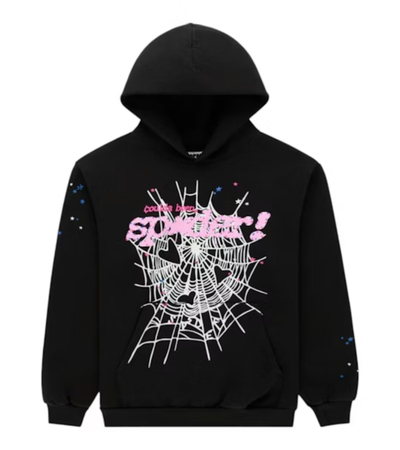
Sp5der Hoodie Everything You Need to Know Before Buying
The sp5der hoodie has quickly become one of the most recognizable and in-demand pieces in modern streetwear. Over the past few years, fashion has shifted from simple, minimal designs to bold, expressive clothing that reflects personality and culture. Sp5der hoodies fit perfectly into this trend with their oversized silhouettes, eye-catching spider web graphics,
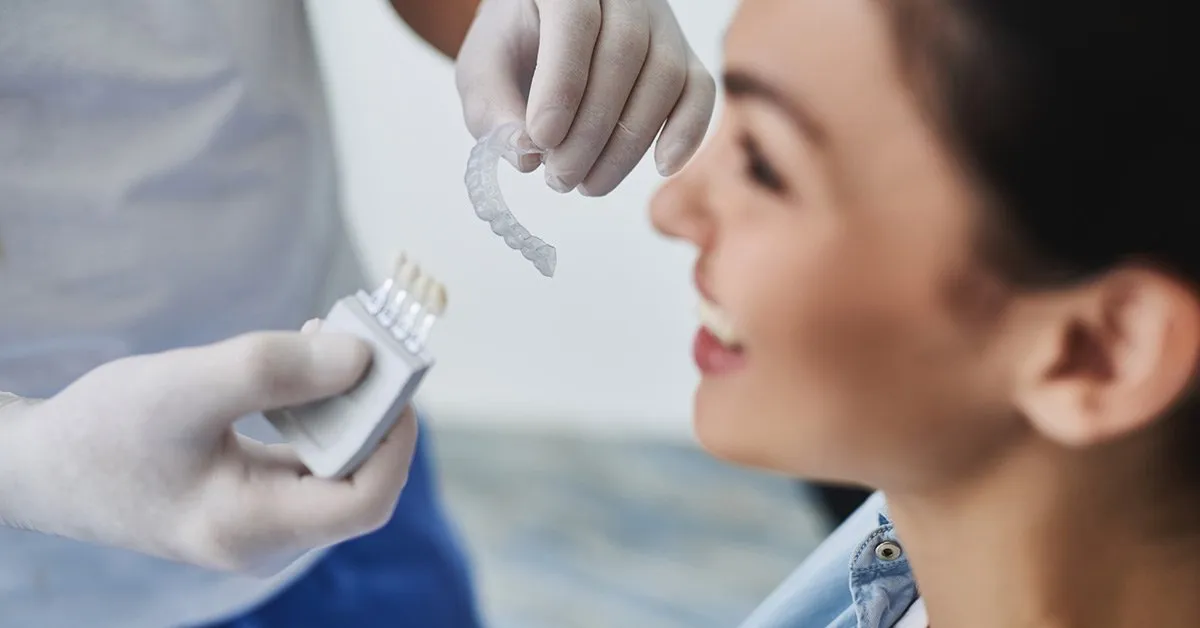
Step by Step Overview of a Cosmetic Bonding Procedure
Cosmetic bonding is a simple and effective way to improve the look of your teeth. It is often used to fix small chips, cracks, gaps, or discolouration. Many people choose this treatment because it is quick, affordable, and does not usually require any major changes to the natural tooth. If you are thinking about improving your smile, it helps to understand how
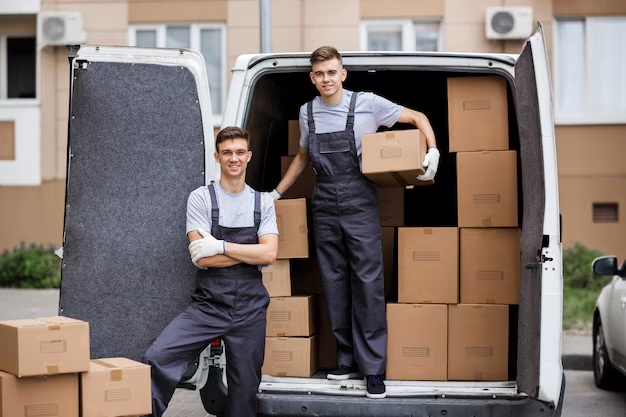
5 Key Advantages of Hiring NoBroker Packers and Movers in Bangalore
Relocating to a new home or office is a significant task that demands careful planning, physical effort, and considerable time. For residents of Bangalore (one of India’s fastest-growing metropolitan cities), the challenges of moving are amplified by dense traffic, complex urban layouts, and the sheer volume of belongings that need to be transported safel

How to Book a Reliable Chauffeur Service (Step-by-Step Guide)
Are you looking for a reliable chauffeur service but not sure where to start? You are in the right place. Booking a professional chauffeur is easier than most people think. But there are some important steps you need to follow to make sure you get the best experience possible. Whether you need a chauffeur service in London, a chauffeur service New York, or anyw
Leave a Reply