

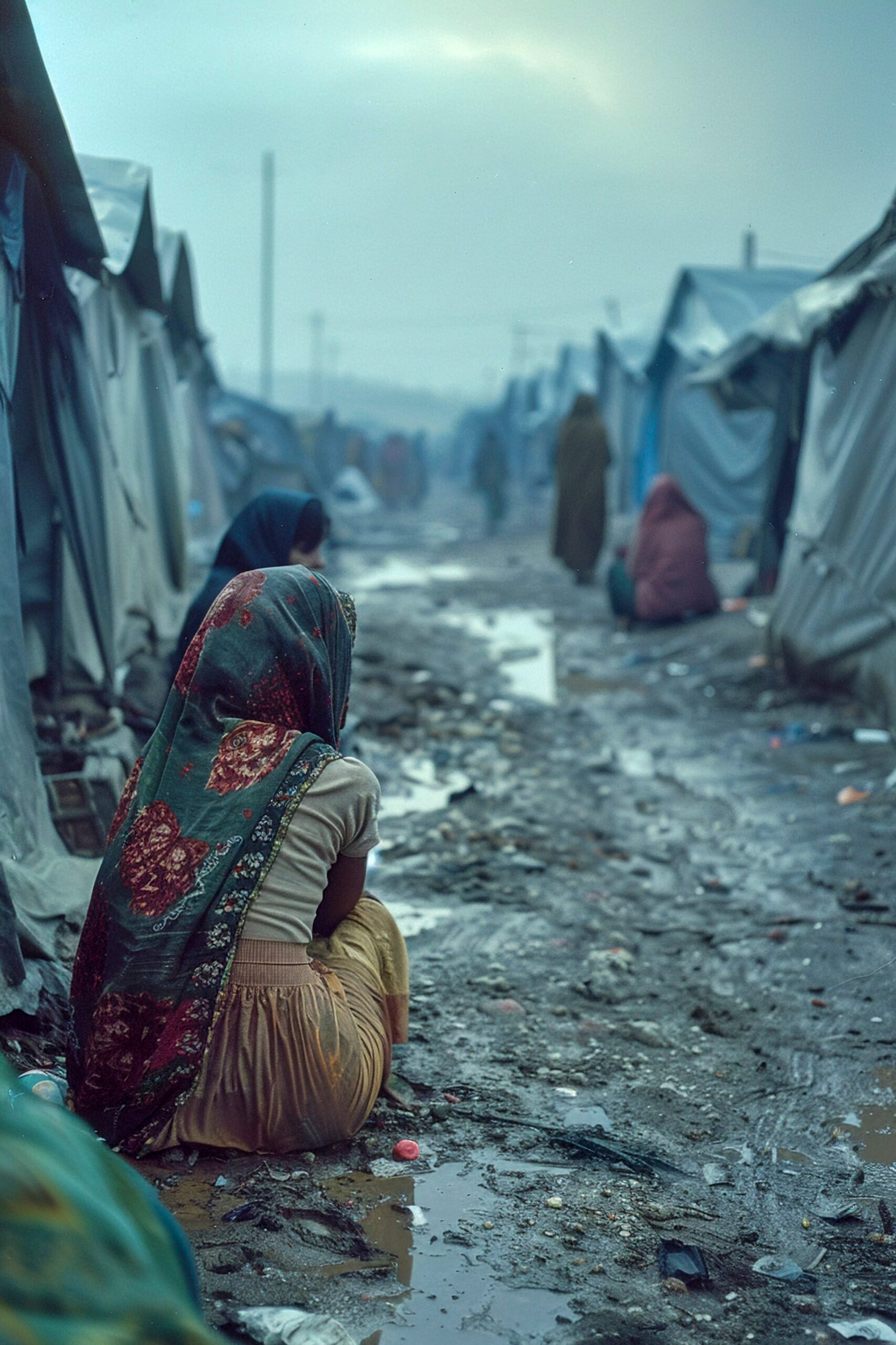
Navigating the Rohingya Crisis in 2026
As we move through March 2026, the crisis has entered its ninth year of profound uncertainty. For the nearly 1.2 million people living in the overcrowded camps of Cox’s Bazar and the island of Bhasan Char, the emergency has become a permanent state of being. With global attention often pulled toward newer conflicts, the million-plus residents of these settlements are facing a quiet but devastating reality: the world’s memory is fading just as their needs are reaching a breaking point.
The 2026 Ration Crisis
The most pressing challenge this year is a massive shortfall in food funding. By early 2026, the primary agencies responsible for feeding Rohingya refugees have been forced to implement a vulnerability-based rationing system. This means that instead of a flat monthly allowance, aid is now tiered based on household insecurity.
For a father of four in Kutupalong, this shift is terrifying. While the most extremely insecure households receive a some amount per person per month, others are seeing their support drop even lower. This has led to a surge in hidden hunger, where families skip meals or sell their meager belongings just to buy basic staples like rice and oil.
Health and the Hospital on the Hill
Living in a high-density bamboo and plastic city creates a unique set of medical challenges. In 2026, the focus has shifted heavily toward treating chronic conditions and infectious outbreaks like hepatitis C, which thrives in cramped conditions.
Without the ability to move freely or seek employment outside the camps, the refugees are entirely dependent on external medical facilities. These clinics are the only thing standing between a minor infection and a life-threatening complication. However, as international budgets shrink, these frontline health centers are struggling to keep their pharmacies stocked and their specialized test and treat programs running.
The Critical Role of Islamic Charity
During the month of Ramadan in 2026, the concept has become a literal lifeline for the camps. Because the Rohingya are a predominantly Muslim population, the Zakat and Sadaqah funds donated by the global community are perfectly positioned to meet their needs.
- 100% Zakat Impact: Many programs now ensure that Zakat funds are ring-fenced specifically for the poor and needy within the camps. This ensures that every cent goes directly toward food parcels, clean water, and emergency medical care without being lost to administrative overhead.
- Sadaqah Jariyah (Ongoing Charity): Beyond immediate food, donors are increasingly focusing on continuous projects. Solar-powered water boreholes and the construction of safe latrines provide a lasting benefit that protects the community from waterborne diseases for years to come.
- Dignity Through Choice: In 2026, many programs have transitioned to e-vouchers. This allows a mother to choose her own fresh vegetables or fish from camp markets, restoring a sense of agency and dignity that is often stripped away in a refugee setting.
Why 2026 is a Year of Urgency
The current situation is a race against time. With unseasonal March rains already threatening the stability of hillside shelters and a $147 million funding gap looming over food programs, the risk of a total humanitarian breakdown is higher than it has been in years.
Supporting an Islamic charity that maintains a physical presence in the camps is the only way to ensure that the Rohingya refugees are not abandoned. Whether it is through a Zakat payment or a simple act of voluntary charity, these contributions provide more than just calories; they provide a message of solidarity to a people who have been told for decades that they do not belong anywhere.
FAQs
Can I give Zakat specifically for the Rohingya crisis?
Yes. Most major organizations allow you to dedicate your Zakat. This ensures the funds are used specifically for the eligible categories within the Rohingya camps, such as providing food, medicine, and clean water.
How is aid delivered to Bhasan Char?
Bhasan Char is an island in the Bay of Bengal housing over 30,000 refugees. Aid is delivered via specialized naval and humanitarian transport. Because commodity prices are higher on the island, many Islamic charity groups provide slightly higher cash allowances to refugees living there to ensure they can afford necessities.
Are there still new arrivals in the camps?
Yes. Despite the long-standing nature of the Rohingya crisis, small numbers of families continue to cross into Bangladesh due to ongoing instability in Myanmar. These new arrivals are often the most vulnerable, arriving with no possessions and requiring immediate emergency support.
Related Posts

Icelandair Boston Office Guide – Deals, Booking & Customer Care
Passengers can depend on the Icelandair Boston Office for complete travel solutions and customer care services. The office helps with booking affordable flights, managing itineraries, and handling refund requests. It also provides assistance with baggage concerns, flight updates, and special travel requirements. Whether you are searching for the best deals or n
Daintle Instrument in US – Complete Guide, Types, Uses, and Industry Overview
Daintle Instrument in US – Complete Informational Guide The term daintle instrument in US is gaining attention in various professional and technical fields where precision tools and specialized equipment are required. Although the term may sound unusual, it is commonly associated with fine, delicate, or precision-based instruments used in different industries
Reliable Academic Support for UK Students’ Success
Introduction: Why Academic Support Matters in the UK Higher education in the UK is known for its high standards, critical thinking expectations, and demanding coursework. From undergraduate essays to postgraduate dissertations, students often juggle multiple responsibilities lectures, research, part-time jobs, and personal commitments. In such a fast-paced acad
Unlocking the Full Potential of explore products with Shrooms Direct: Your Partner in Canadian Magic Mushroom Discovery
As a discerning buyer in the Canadian market, you’re likely no stranger to the allure of high-quality, exotic products. The thrill of discovery, paired with the promise of unparalleled experiences, makes the process of exploring products an enticing adventure. However, navigating this landscape can be daunting, especially with the sheer number of options
Leave a Reply