

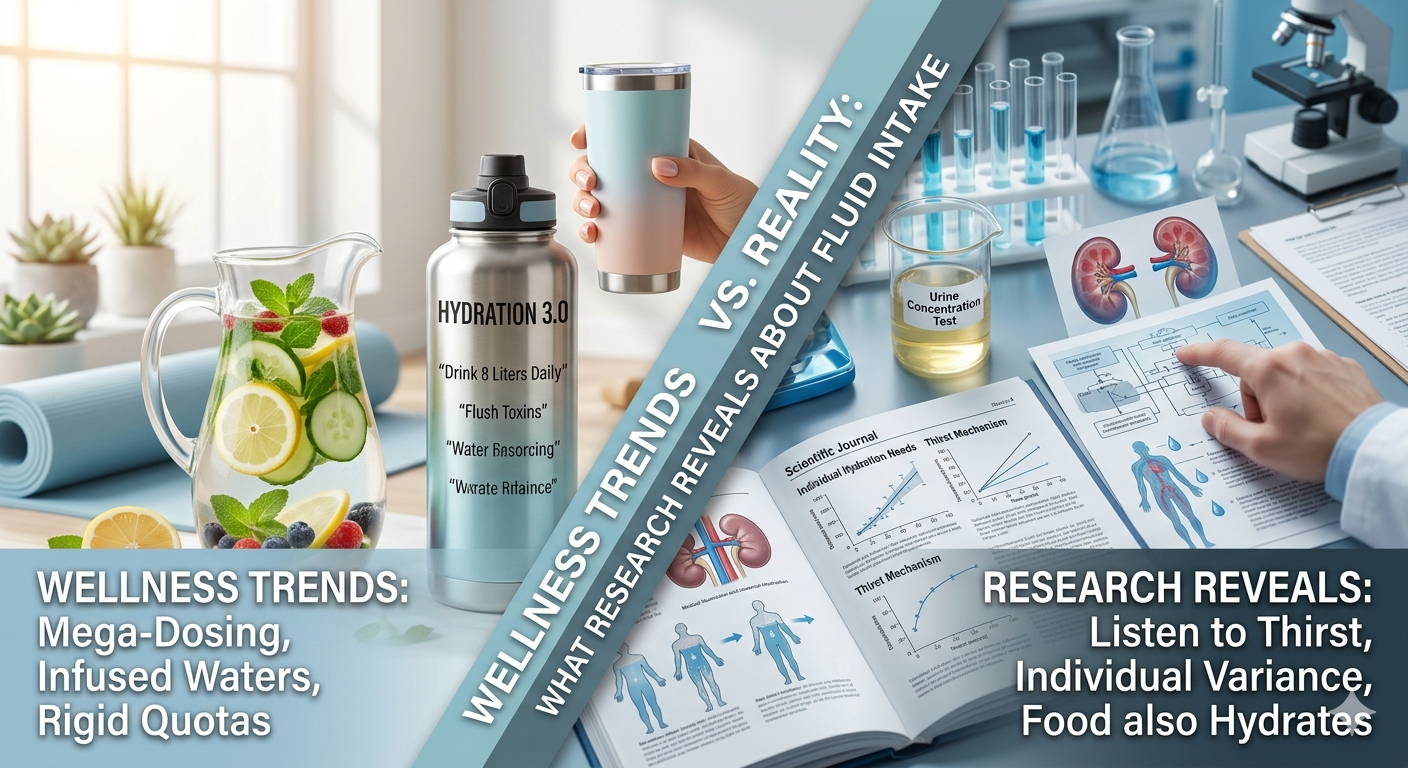
Wellness Trends vs. Reality: What Research Reveals About Fluid Intake
In recent years, wellness trends have placed a heavy focus on hydration. Social media feeds and lifestyle blogs often highlight the idea that drinking eight glasses of water a day is the golden rule for health. Some trends even suggest that specialized waters, infused with electrolytes or exotic minerals, can dramatically improve energy levels and skin health. Yet, the scientific reality behind fluid intake is far more nuanced. While staying hydrated is important, research shows that many popular hydration beliefs may be exaggerated or misunderstood. For a closer look at common misconceptions, you can explore detailed discussions on water hydration myths.
Understanding Your Body’s Needs
The body’s need for fluids is not a one-size-fits-all scenario. Age, activity level, climate, and overall health influence how much water each person requires. While mainstream trends promote rigid consumption targets, studies indicate that thirst is often a reliable guide for most adults. The color of urine, frequency of urination, and personal energy levels serve as simple, practical indicators of hydration status. In other words, drinking excessively without need does not guarantee better health.
Popular Hydration Trends vs. Scientific Reality
Wellness trends often promote “hydration hacks” such as consuming large amounts of water first thing in the morning or relying on high-priced alkaline water. While these practices are generally safe, research does not strongly support claims of enhanced detoxification, faster metabolism, or anti-aging benefits. The body’s natural systems, including the kidneys and liver, efficiently manage fluid balance and waste removal. Overemphasis on specific water types can distract from the most important factor: consistent, adequate fluid intake throughout the day.
Another area where trends diverge from reality is beverage choice. Smoothies, herbal teas, and flavored waters are often marketed as superior for hydration. In truth, many beverages contribute effectively to fluid balance, and plain water is not the only option. Coffee and tea, long thought to dehydrate due to caffeine, have been shown in studies to hydrate comparably to other drinks when consumed in moderate amounts. Sugary drinks, however, can add calories and disrupt overall health, which highlights the importance of mindful choices over strict adherence to trendy recommendations.
Practical, Research-Backed Strategies
Modern wellness narratives also emphasize tracking fluid intake meticulously through apps or bottles with marked measurements. While technology can raise awareness, research highlights potential pitfalls. Stressing over every ounce consumed can create anxiety rather than health benefits. Instead, experts advocate a flexible approach: listen to your body, hydrate in response to thirst, and integrate fluids naturally into meals and daily routines.
Practical strategies supported by research include:
- Drinking water with meals to enhance digestion
- Carrying a bottle for accessibility during activity
- Consuming fruits and vegetables with high water content, such as cucumbers, watermelon, and oranges
- Adjusting intake based on climate and physical activity
Balancing Trends with Reality
Hydration is more than a trend; it is a foundational part of wellness. Yet, the gap between popular claims and evidence-based guidance is wide. Understanding personal needs, avoiding extremes, and adopting simple, sustainable habits can support optimal health without relying on exaggerated promises. By viewing hydration through a research-backed lens, we can separate marketing hype from practical advice and focus on what truly benefits the body.
For anyone looking to deepen their understanding of effective fluid intake and overall wellness, trusted resources like Aqua Wellness Hub offer insights rooted in science, encouraging habits that are both realistic and achievable. By balancing trends with research, hydration becomes not a chore, but a natural part of daily life.
Related Posts
The History and Journey of Coral Fish Hawaii: From Wholesale to Retail
The History and Journey of Coral Fish Hawaii: From Wholesale to Retail 🏛 Early Beginnings Coral Fish Hawaii began its journey in the 1960s as a small wholesale business focused on supplying tropical fish to local aquarium shops. At the time, Hawaiʻi had limited options for high-quality ornamental fish, and Coral Fish Hawaii sought to fill that gap by sourci

the Best Study Abroad Consultant in Pakistan
Many students in Pakistan dream of studying in another country. They want better education, new experiences, and a bright future. But the process of applying to universities and getting a visa can be confusing. This is why choosing the best study abroad consultant in Pakistan is very important. These experts help students at every step. A student visa consultan
1xBet Promo Code for Registration 2026: 1X200ELITE (Bonus €130) — 1xBet Gift Promo Code 2026: 1X200ELITE Bonus €130 — 1xBet Promo Code for Free Bet 2026: 1X200ELITE Bonus €130
The one xbet promo code 1X200ELITE unlocks a 100% match bonus up to €130, giving you more funds to bet on major football events, cricket matches, tennis or your favourite esports tournaments. Whether you prefer group stage games, knockout rounds or the grand final — this bonus provides an excellent starting advantage. No matter if you are a beginner startin

BellyFlush: Detox and Support a Healthy Digestive System Naturally
BellyFlush is a natural supplement designed to support digestive health, promote gentle detoxification, and help you achieve a lighter, healthier gut. In this guide, we’ll explore everything about BellyFlush: how it works, its benefits, ingredients, usage tips, and why it’s trusted by individuals seeking a natural way to improve digestion and overall wellne
Leave a Reply