

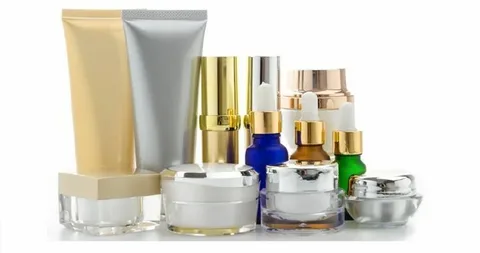
The Strategic Guide to Partnering with a Private Label Skincare Manufacturer in 2026
The beauty industry is no longer a playground reserved for multi-billion dollar corporations. In 2026, the rise of “Indie Beauty” has reached its zenith, driven by social commerce and a consumer base that values efficacy over brand names. If you are an entrepreneur or an established retailer looking to capture this market, the most efficient vehicle for growth is a partnership with a professional private label skincare manufacturer.
By leveraging existing, scientifically-backed formulations, you can transition from concept to market in weeks rather than years. This guide explores how to navigate the manufacturing landscape to build a high-margin, sustainable beauty empire.
1. What is a Private Label Skincare Manufacturer?
At its core, a private label skincare manufacturer is a partner that provides pre-developed, stability-tested formulas that you can brand as your own. Unlike contract manufacturing—where you develop a proprietary formula from scratch—private labeling allows you to select “stock” products that have already proven their performance in a laboratory setting.
The Plug-and-Play Model
Think of private labeling as a turnkey solution. The manufacturer handles the complex chemistry, ingredient sourcing, and safety testing. Your role is to provide the vision, the branding, and the marketing strategy to connect these products with the right audience.
2. Why Private Labeling is the Standard for 2026
The speed of trends in 2026 is unprecedented. A specific ingredient can go viral on TikTok or Instagram in a matter of hours. A private label model allows you to stay agile.
- Speed to Market: Launching a custom formula can take 18–24 months. Private label products can be ready for retail in as little as 4–8 weeks.
- Reduced Capital Expenditure: You don’t need to invest in chemists, lab equipment, or raw material bulk storage.
- Safety Assurance: Professional manufacturers provide products that are already GMP (Good Manufacturing Practice) certified and ISO compliant.
3. High-Demand Categories for Your Skincare Line
To maximize your content marketing campaign, you must choose products that solve specific consumer pain points. Current high-growth categories include:
Advanced Age-Defying Serums
Consumers are looking beyond basic moisturizers. They want active-heavy serums containing Peptides, Niacinamide, and Bakuchiol (the plant-based retinol alternative).
Barrier Repair Solutions
With the increase in “skin-minimalism,” products that focus on the skin microbiome and ceramide replenishment are seeing a massive surge in search volume.
Clean and Sustainable Beauty
In 2026, “clean” is the baseline. Your manufacturer should offer vegan, cruelty-free, and paraben-free formulations that align with ethical consumerism.
4. How to Vet Your Manufacturing Partner
Not all manufacturers provide the same level of quality. When selecting a partner, consider these three pillars:
I. Quality and Certifications
Ensure the facility is FDA-registered and follows strict GMP protocols. Ask for the Certificate of Analysis (COA) for their latest batches to ensure consistency.
II. Minimum Order Quantities (MOQs)
For startups, cash flow is king. Look for a private label skincare manufacturer that offers low MOQs (e.g., 50–100 units). This allows you to test the market without being stuck with thousands of unsold bottles.
III. Customization Options
Even with stock formulas, you want your brand to feel unique. Does the manufacturer offer custom scents, premium packaging, or “semi-custom” tweaks to the ingredients?
5. The Financial Logic: Margins and ROI
Skincare remains one of the highest-margin sectors in retail. By utilizing a private label model, your cost per unit (CPU) is significantly lower than custom manufacturing at low volumes.
| Product Type | Est. Private Label Cost | Est. Retail Price | Gross Margin |
| Vitamin C Serum | $5.50 – $8.50 | $35.00 – $55.00 | ~80% |
| Hyaluronic Cream | $4.00 – $7.00 | $28.00 – $45.00 | ~82% |
| Enzyme Cleanser | $3.50 – $6.00 | $22.00 – $32.00 | ~78% |
Note: Prices vary based on packaging choices and order volume.
6. Navigating the Regulatory Landscape
Selling skincare involves legal responsibilities. A reputable manufacturer will help you navigate:
- INCI Lists: Correctly listing ingredients in descending order of concentration.
- Labeling Requirements: Ensuring font sizes and weight declarations meet regional standards (FDA, EU, etc.).
- Claims Substantiation: Understanding the difference between a “cosmetic” claim (improves appearance) and a “drug” claim (treats a disease).
7. Packaging: The Silent Salesperson
In 2026, packaging is as important as the formula. Consumers associate weight and texture with quality.
- Glass vs. Plastic: Glass conveys luxury and is highly recyclable. PCR (Post-Consumer Recycled) plastic is the go-to for eco-conscious brands.
- Airless Pumps: These protect active ingredients like Vitamin C from oxidation, extending the shelf life of your product.
- Sustainable Finishes: Soy-based inks and FSC-certified paper boxes are now expected by high-end consumers.
8. SEO Strategies for Your Skincare Brand
To boost your content marketing, your digital presence must be optimized for search engines. Using plugins like Yoast or Rank Math, focus on:
- LSI Keywords: Use terms like “organic skincare sourcing,” “wholesale beauty products,” and “dermatologist-tested formulas.”
- Educational Content: Don’t just sell; teach. Write about “How to Layer Acids” or “The Science of Ceramides.”
- User Intent: Optimize for “best private label skincare for acne” or “where to find vegan skincare manufacturers.”
9. Scaling Your Brand: From One Product to a Collection
Most successful brands start with a “Hero Product”—a single item that solves a major problem. Once you establish trust, you can expand your line by:
- Complementary Products: If your hero is a serum, launch a cleanser and a moisturizer to create a full “system.”
- Limited Editions: Use your manufacturer’s seasonal formulations to test “drops” and create urgency.
- Subscription Models: Skincare is a recurring need. Use your margins to offer discounts on monthly deliveries.
10. Conclusion: The Future of Your Beauty Brand
Partnering with the right private label skincare manufacturer is the single most important decision you will make for your business. It allows you to focus on your “Zone of Genius”—branding, community building, and sales—while leaving the scientific heavy lifting to the experts.
In 2026, the market is crowded, but it is not saturated. There is always room for a brand that offers high-quality, transparent, and beautifully packaged solutions. Your journey from a concept to a household name starts with a single high-performance formula.
Frequently Asked Questions (FAQs)
What is the typical MOQ for a private label skincare manufacturer?
MOQs vary. Some “Low-MOQ” manufacturers start as low as 25–50 units for stock items, while more established labs may require 500–1,000 units to unlock better pricing and custom packaging.
Can I change the ingredients in a private label formula?
Most manufacturers offer “stock” formulas that are set. However, many also offer “semi-custom” options where you can add a specific hero ingredient (like a unique botanical extract) to an existing base for an additional fee.
Do I need a license to sell skincare products?
While you don’t typically need a specific “skincare license” to sell, your business must comply with local trade laws, and your products must follow labeling and safety regulations set by the FDA or your local health authority.
How long do the products last?
Most private label skincare products have a shelf life of 12–24 months unopened. Once opened, they generally stay effective for 6–12 months (indicated by the PAO or “Period After Opening” symbol).
Is private label skincare high quality?
Yes. Many high-end brands sold in luxury department stores use the exact same base formulations as private label lines. The quality is found in the stability of the formula and the concentration of the active ingredients.
Related Posts

How to Hire the Right Bubble.io Developer
Introduction to Bubble.io Development and Its Growing Demand In today’s fast-paced digital ecosystem, businesses are increasingly turning toward no-code platforms to accelerate product development, reduce costs, and launch scalable web applications quickly. Among these platforms, Bubble.io has emerged as one of the most powerful tools for building fully funct

Top Roadshow Transportation Services: Reliable Travel for Corporate Events
In today’s fast-paced corporate world, efficiency, professionalism, and punctuality are non-negotiable—especially during high-stakes events like roadshows. Whether it’s investor meetings, product launches, or executive tours, seamless travel plays a critical role in ensuring success. This is where Roadshow Transportation Services step in as a vital compon

Best Astrologer in Karnataka – Complete Astrology Guidance for Life Clarity
There are times in life when things don’t go as planned. You may be working hard, yet results feel delayed, or you might feel confused about important decisions. Whether it’s career, marriage, finances, or personal growth, such situations often lead people to search for the Best Astrologer in Karnataka for better clarity. Astrology offers a way to understan

How Carsicko Hoodie & Sp5der Hoodie Turn Everyday Streetwear Into Bold Fashion Statements
Carsicko Hoodie and Sp5der Hoodie have transformed everyday streetwear by combining comfort, bold graphics, and modern cuts. In 2026, hoodies are no longer just casual staples—they are statement pieces that define personal style. These hoodies allow wearers to experiment with layering, colors, and textures while maintaining an effortlessly stylish appearance.
Leave a Reply