

Erythrocyte Sedimentation Rate: A Comprehensive Guide
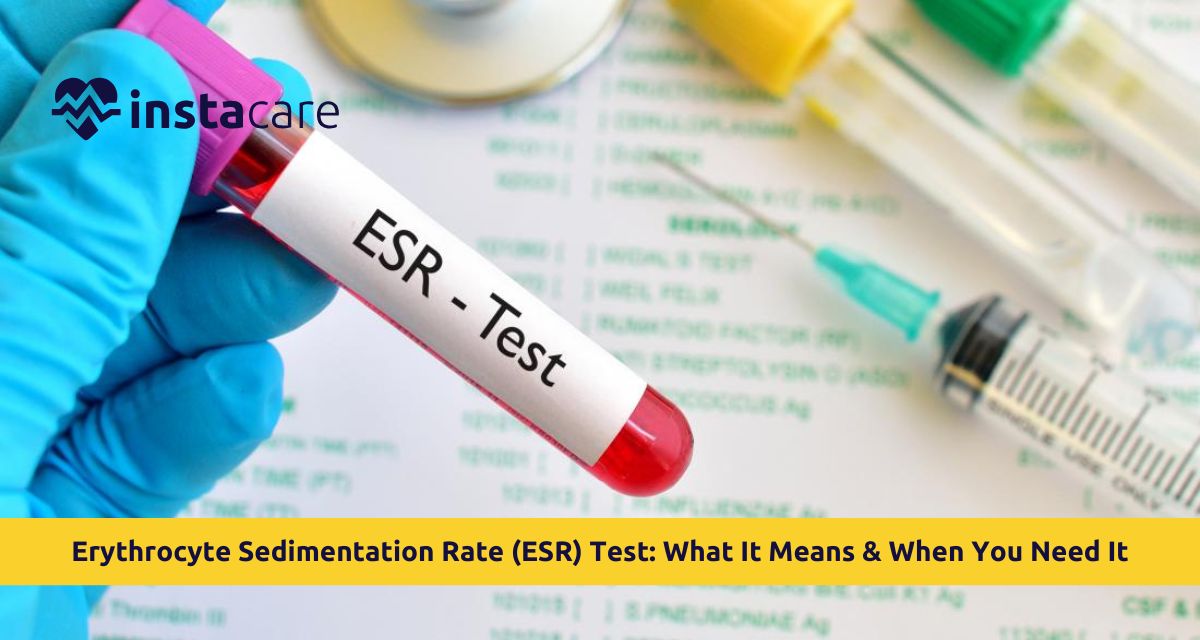
The Erythrocyte Sedimentation Rate (ESR) test is a simple blood test used to measure the rate at which red blood cells (erythrocytes) settle at the bottom of a test tube over a specified period. It is an important diagnostic tool that helps assess the presence of inflammation in the body. The ESR test is commonly used to detect inflammatory conditions, monitor the progression of diseases, and evaluate the effectiveness of treatments. It is also used to diagnose conditions like autoimmune diseases, infections, and certain cancers. ESR is a nonspecific test, meaning it can indicate the presence of inflammation but does not pinpoint the exact cause.
What is Erythrocyte Sedimentation Rate (ESR)?
The Erythrocyte Sedimentation Rate (ESR) is a blood test that measures how quickly red blood cells settle in a vertical tube of blood over one hour. The faster the cells settle, the higher the ESR, which may indicate the presence of inflammation in the body. ESR is often used to help diagnose conditions that cause inflammation, such as arthritis, infections, and autoimmune diseases.
Why is the ESR Test Important?
The ESR test is important because it provides valuable information about your body’s inflammatory process. Inflammation is a natural response of the immune system to injury, infection, or disease. However, chronic inflammation can lead to serious health conditions, including heart disease, cancer, and autoimmune disorders. The ESR test helps identify underlying conditions that may cause inflammation and assists healthcare providers in monitoring disease progression and treatment effectiveness.
How is the ESR Test Performed?
The ESR test is typically performed as part of a routine blood workup. A healthcare provider will collect a blood sample from a vein in your arm using a needle. The blood sample is then placed in a tall, thin tube and left undisturbed for an hour. During this time, red blood cells begin to settle at the bottom of the tube. The rate at which they settle is measured in millimeters per hour (mm/h). A higher ESR indicates a faster settling rate, which may suggest the presence of inflammation.
Factors That Affect the ESR Test Results
Several factors can affect your ESR results, including:
- Age and Gender: ESR levels tend to be higher in older adults and women.
- Pregnancy: Pregnant women may experience an increase in ESR due to hormonal changes.
- Medications: Certain medications, such as corticosteroids and nonsteroidal anti-inflammatory drugs (NSAIDs), can affect ESR levels.
- Chronic diseases: Conditions such as diabetes, kidney disease, and high blood pressure may influence ESR readings.
- Obesity: Higher body weight can lead to an elevated ESR.
Interpreting the Results: What Does ESR Tell You?
The results of the ESR test are typically measured in millimeters per hour (mm/h), with normal values varying based on age and gender. A higher ESR often indicates the presence of inflammation, but it cannot pinpoint the cause. In some cases, a higher ESR may be due to chronic conditions like arthritis, infections, or even certain cancers.
- High ESR: A high ESR can suggest that there is inflammation in the body. It is commonly seen in conditions like rheumatoid arthritis, lupus, vasculitis, and infections such as tuberculosis. Certain cancers, including lymphoma and multiple myeloma, can also result in high ESR levels.
- Low ESR: A low ESR is generally less concerning but can sometimes indicate conditions such as polycythemia or sickle cell anemia. Low ESR values are also seen in certain instances of dehydration and heart failure.
Conditions Associated with an Elevated ESR
An elevated ESR can be linked to several conditions, including:
- Rheumatoid arthritis: A chronic autoimmune disorder that causes inflammation in the joints.
- Systemic lupus erythematosus (SLE): An autoimmune disease that can affect multiple organs, including the skin, joints, and kidneys.
- Infections: Both acute and chronic infections, such as pneumonia, tuberculosis, and urinary tract infections, can lead to increased ESR.
- Cancer: Some cancers, including lymphoma and multiple myeloma, can cause a rise in ESR levels.
- Vasculitis: Inflammation of the blood vessels that can lead to complications such as organ damage.
- Polymyalgia rheumatica: An inflammatory disorder that causes muscle pain and stiffness in older adults.
When Should You Get an ESR Test?
An ESR test may be recommended if your doctor suspects you have an inflammatory condition. Some common symptoms that may prompt your healthcare provider to order this test include:
- Unexplained fever
- Joint pain or swelling
- Fatigue or weakness
- Unexplained weight loss
- Skin rashes
- Chest pain or difficulty breathing
The ESR test is also used to monitor the progress of treatment in people with inflammatory diseases or infections. It can help determine whether a specific treatment is effective in reducing inflammation.
Booking Your Erythrocyte Sedimentation Rate Test
If you are experiencing symptoms related to inflammation or want to monitor your overall health, booking an Erythrocyte Sedimentation Rate (ESR) test is simple. You can book the test from Chughtai Lab via Instacare and enjoy a 20% discount. The test is quick and non-invasive, providing crucial insights into your health and helping detect underlying conditions early.
Conclusion
The Erythrocyte Sedimentation Rate (ESR) test is a valuable diagnostic tool used to assess inflammation in the body. While it cannot identify the exact cause of inflammation, it can provide essential information that aids in the diagnosis of a variety of conditions, including infections, autoimmune diseases, and cancers. Regular monitoring of ESR can help manage chronic conditions and improve treatment outcomes. If you suspect inflammation or want to keep track of your health, consider getting an ESR test.
FAQs:
- What does a high ESR mean? A high ESR generally indicates the presence of inflammation in the body, which can be caused by various conditions, including infections, autoimmune diseases, and some cancers.
- Is the ESR test painful? The ESR test is not painful. It involves a simple blood draw, which is usually quick and causes minimal discomfort.
- Can an elevated ESR indicate cancer? Yes, an elevated ESR can sometimes be associated with certain types of cancer, such as lymphoma and multiple myeloma, though it is not a definitive test for cancer.
Related Posts

How Commercial Cleaning Supports a Healthier Work Environment
It starts with seeing how clean spaces work. Not just wiping counters or sweeping floors commercial cleaning shapes whether people stay well and businesses last. Think about air thick with dust, corners growing mold, desks coated in grime. That kind of place quietly wears workers down. Look closer. Fewer colds spread when surfaces are managed right. Minds think

Primary Care Near Me: Trusted Healthcare Close to Home
When people search online for primary care near me, they are usually looking for more than just a nearby clinic. They want a reliable healthcare provider who can guide them through everyday health concerns, preventive care, and long-term wellness. Primary care physicians serve as the first point of contact in the healthcare system, helping patients manage bot

The Rise of Modern Minimalism: Inside Cole Buxton Clothing
In a fashion world often crowded with loud graphics and fleeting trends, Cole Buxton has carved out a distinctive identity rooted in simplicity, purpose, and timeless design. Emerging from the United Kingdom, this brand has redefined how modern streetwear can feel both elevated and effortlessly wearable. It doesn’t rely on overstatement or hype-driven drops;

Movie Leather Coats USA – Iconic Fashion Inspired by Hollywood
Introduction The world of fashion is constantly evolving, but some trends remain timeless due to their strong cultural influence. One such trend is Movie Leather Coats USA, which brings cinematic style into everyday fashion. Inspired by iconic characters and unforgettable movie scenes, these leather coats have become a symbol of confidence, individuality, and b
Leave a Reply